Location
Baldhead Island Dr
Apex, NC 27502
Time on site
About 3 hours
System
1 HVAC system
Coil
Checked, didn't need it
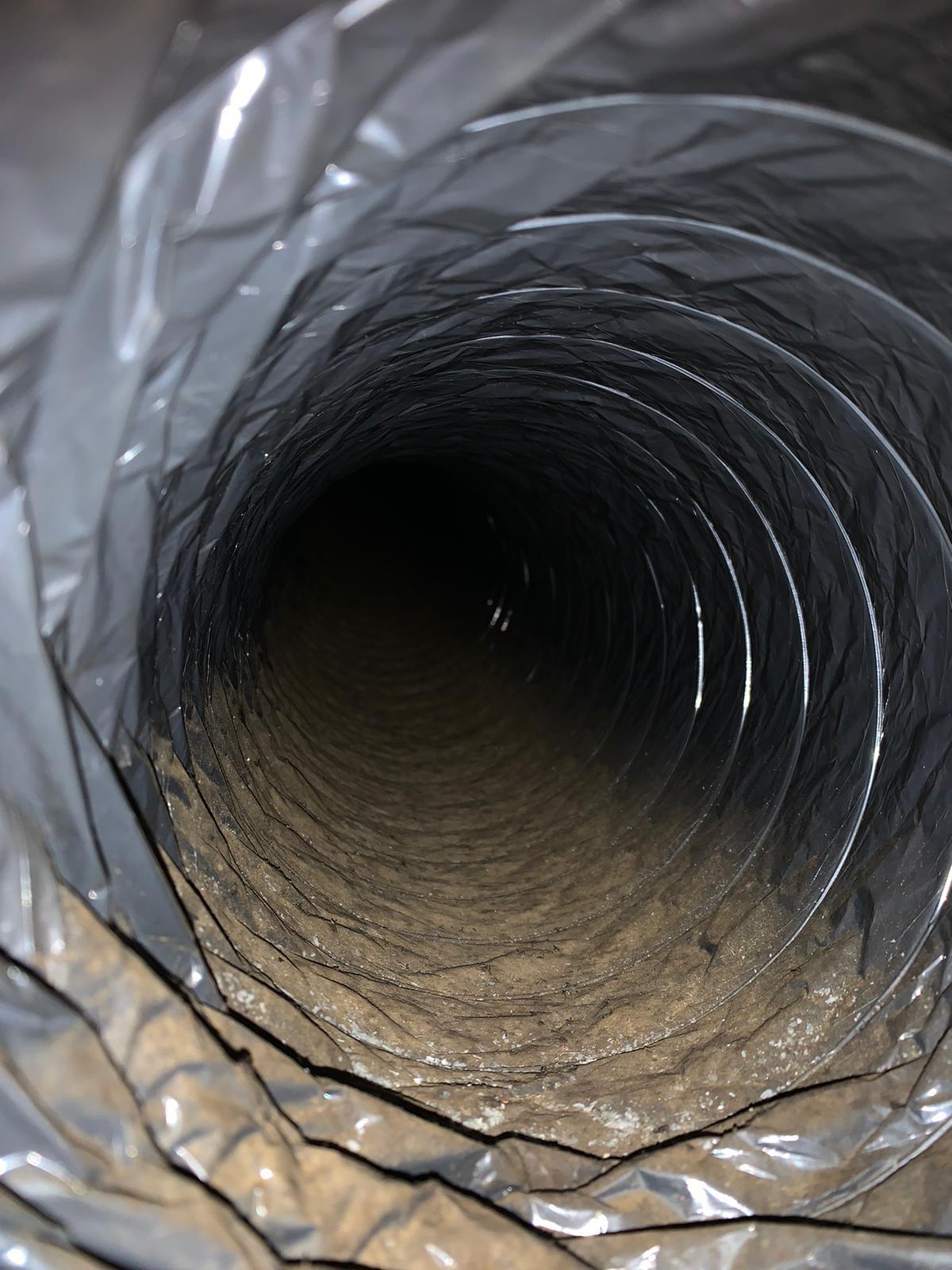
.jpeg)
Before
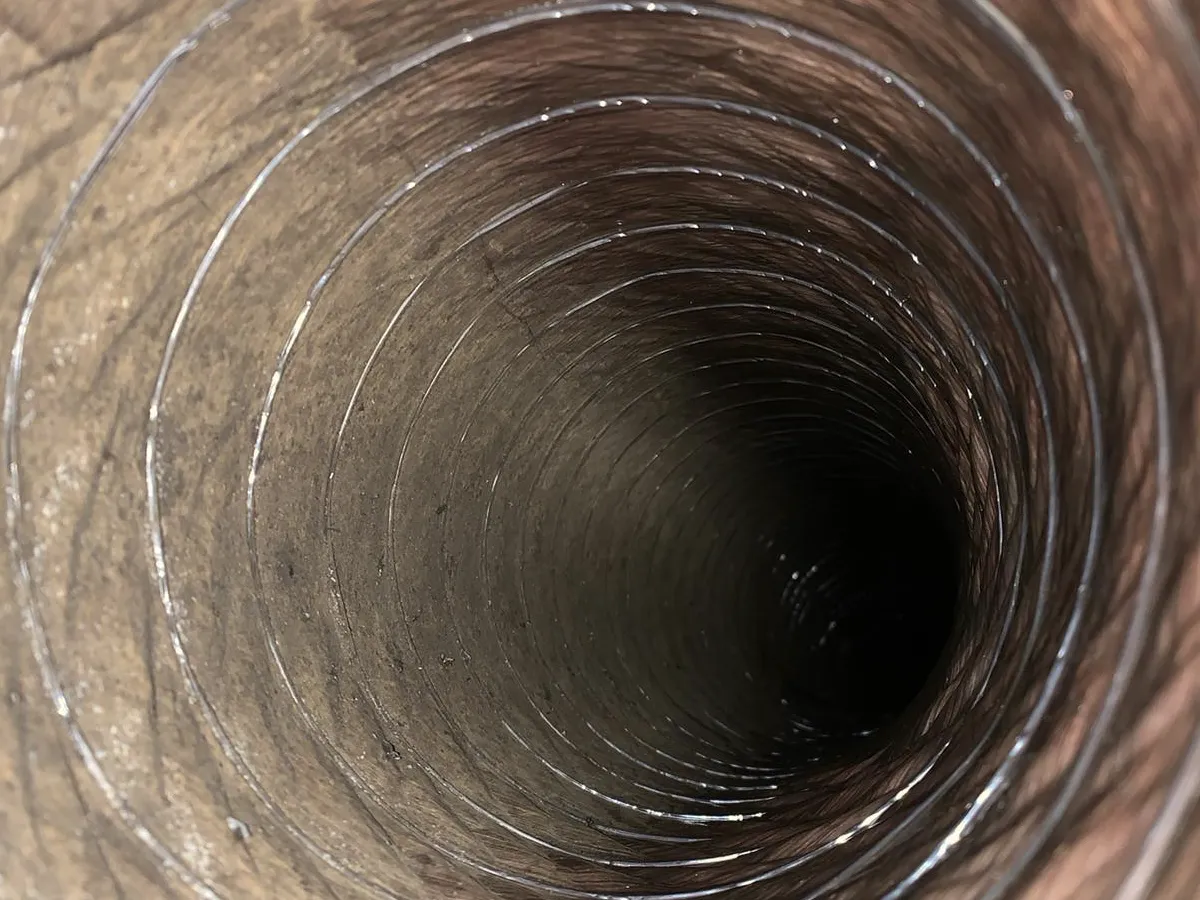
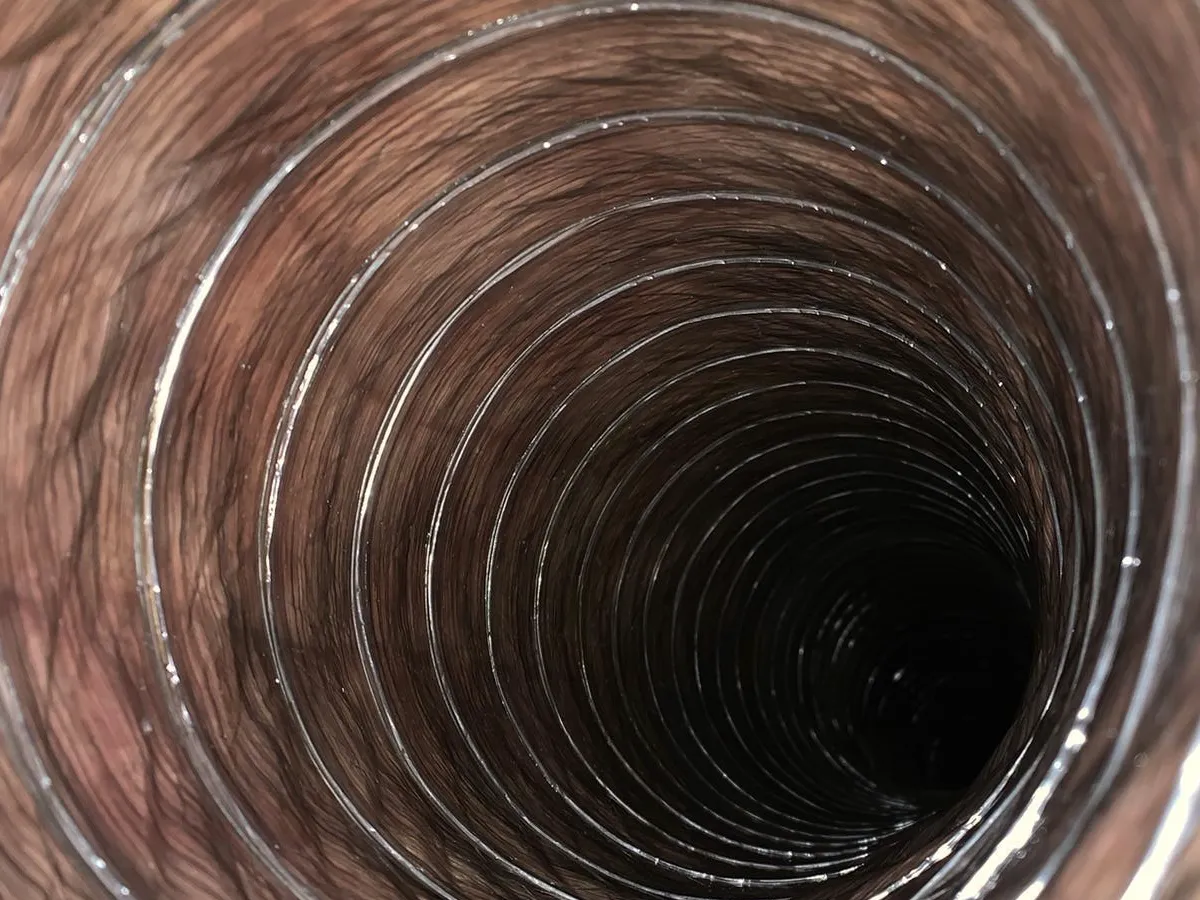
After


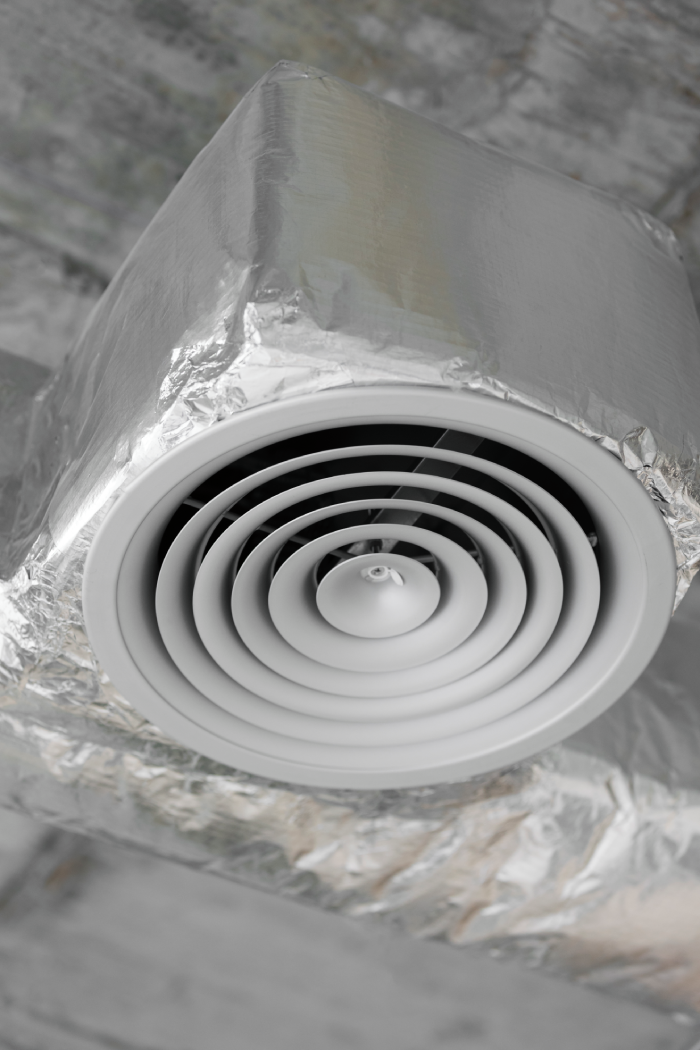




Apex got its name from a railroad survey. The depot on Salem Street, built in 1867, sat at the highest point on the old Chatham line, and the town grew outward from there. Almost everything surrounding that depot today went up in the last thirty years.
That timing explains most of what we find in Apex ductwork.
The town's own estimate put the population at 85,721 as of May 2026. The 2020 census counted 65,249. That is close to a third more people in under six years, and it arrived the way growth always arrives here: in waves, one subdivision at a time. Whole neighborhoods went up together, which means whole neighborhoods reach the same maintenance milestones together.
Haddon Hall, Scotts Mill, and the Villages of Apex mostly went up between the late nineties and the late 2000s. The families in them now are often the second or third owners. The ductwork is original. Nobody has opened it in twenty-five years, because ducts are the one part of a house you never see and never think about.
West Apex has the opposite problem. Bella Casa, the newer sections off Olive Chapel, and the builds around Friendship are recent enough that the dust in them is not household dust at all. Ductwork gets installed early in a build and then sits open while the drywall goes up. Very few builders clean it out before handing over the keys.
Downtown is its own case. Homes in the Apex Historic District date to the late 1800s and early 1900s, and their HVAC was retrofitted in decades later, usually into a crawl space that was never designed to hold it. Flex duct running through a Piedmont crawl space in July collects things that duct in a conditioned space does not.
We open the system and look before we quote. Supply lines, returns, the plenum, the coil. You see what we see, and you find out whether the job is worth doing at all.
Drop cloths go down and vents get sealed off before anything else happens. Cleaning ductwork kicks loose everything that has been sitting still in it for years, and none of that should end up on your floors.
Rotating brushes break the buildup free while negative air pressure pulls it out of the system entirely. The debris leaves the house. It does not just relocate to another section of duct.
We walk the system with you, show you the before and after, and take everything we brought with us when we leave.

Every technician on your property is licensed and covered under North Carolina law. If something goes wrong, that lands on us, not on your homeowners policy.

Century-old houses off Salem Street, 2000s subdivisions, new builds in west Apex, retail space around Beaver Creek. We have worked on all of it, on real systems, in real crawl spaces.

We inspect before we price. If your ducts do not need cleaning yet, we will say so and leave. We would rather you call us in three years than feel sold to today.
TESTIMONIALS
Baldhead Island Dr
Apex, NC 27502
About 3 hours
1 HVAC system
Checked, didn't need it
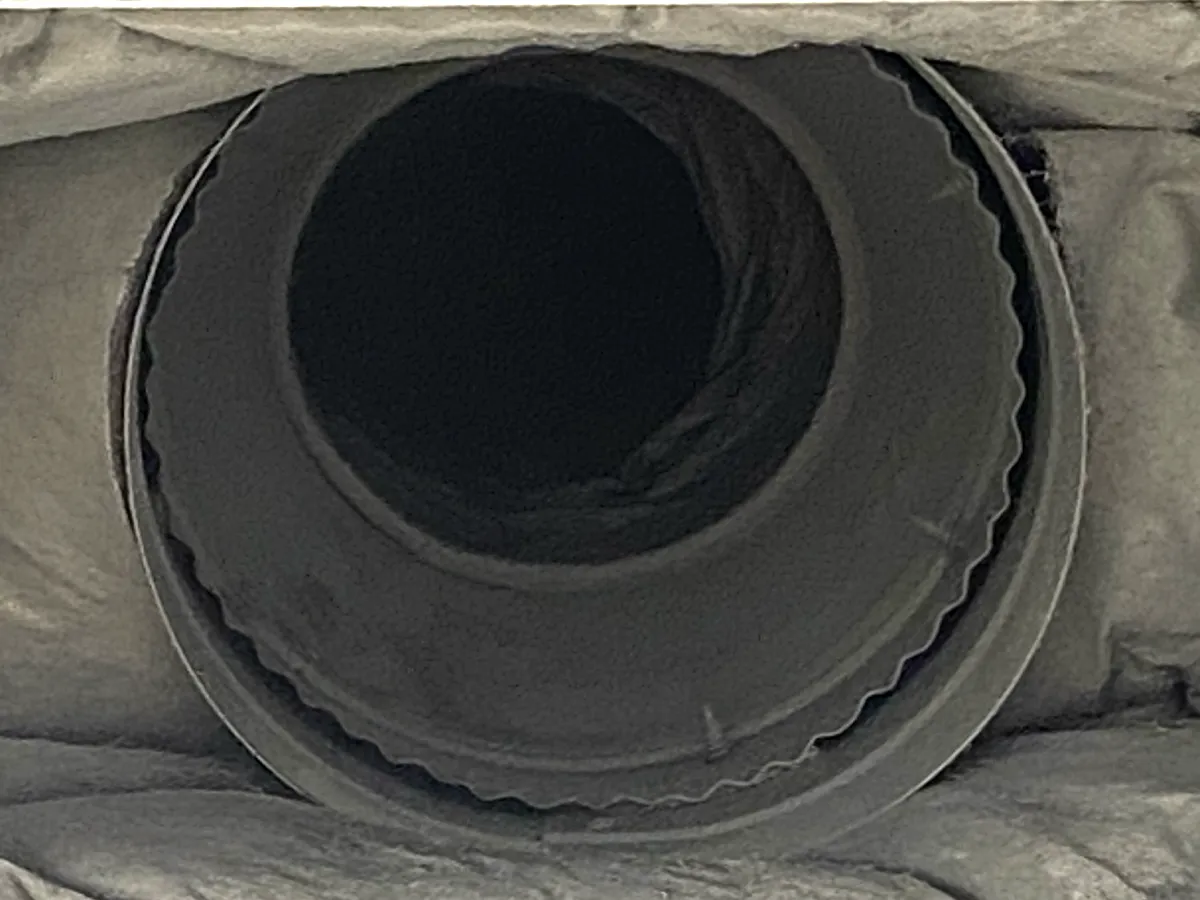
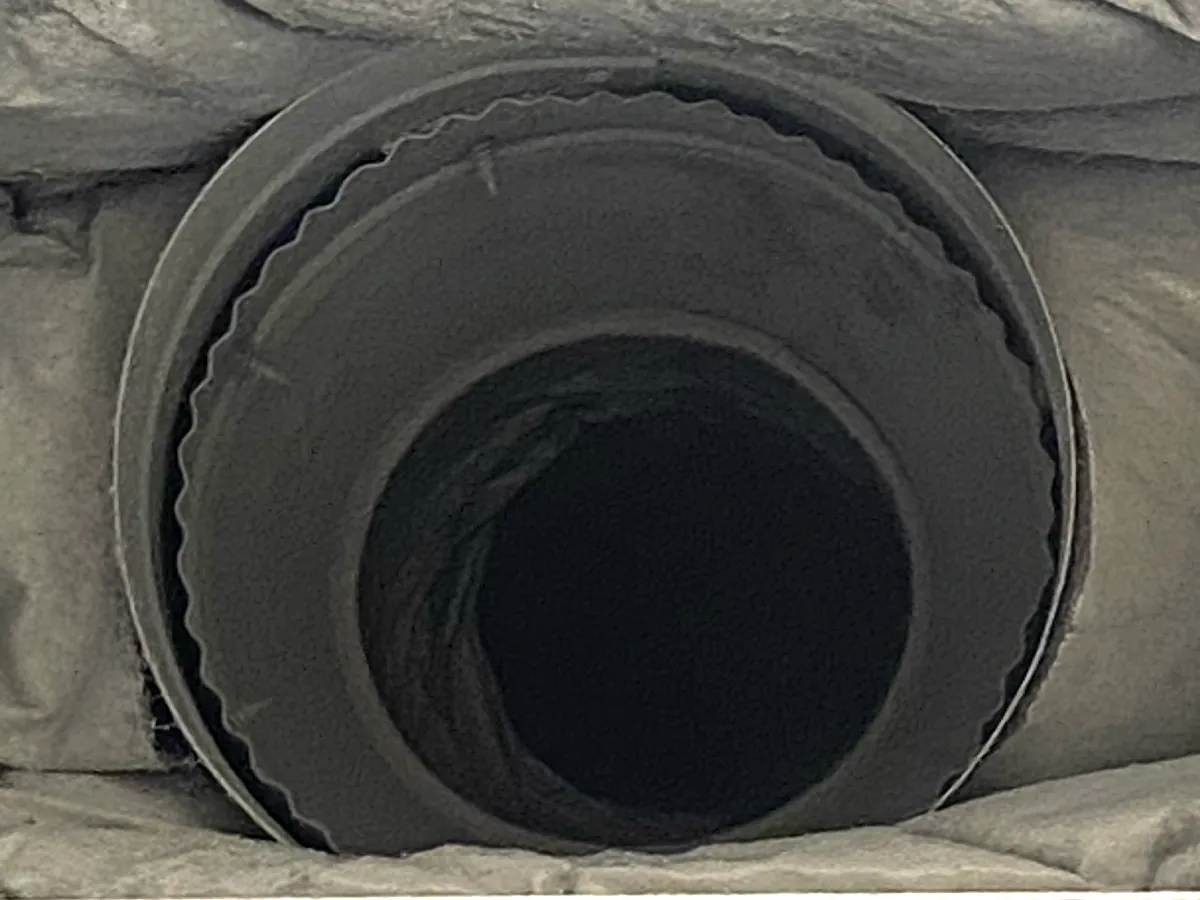
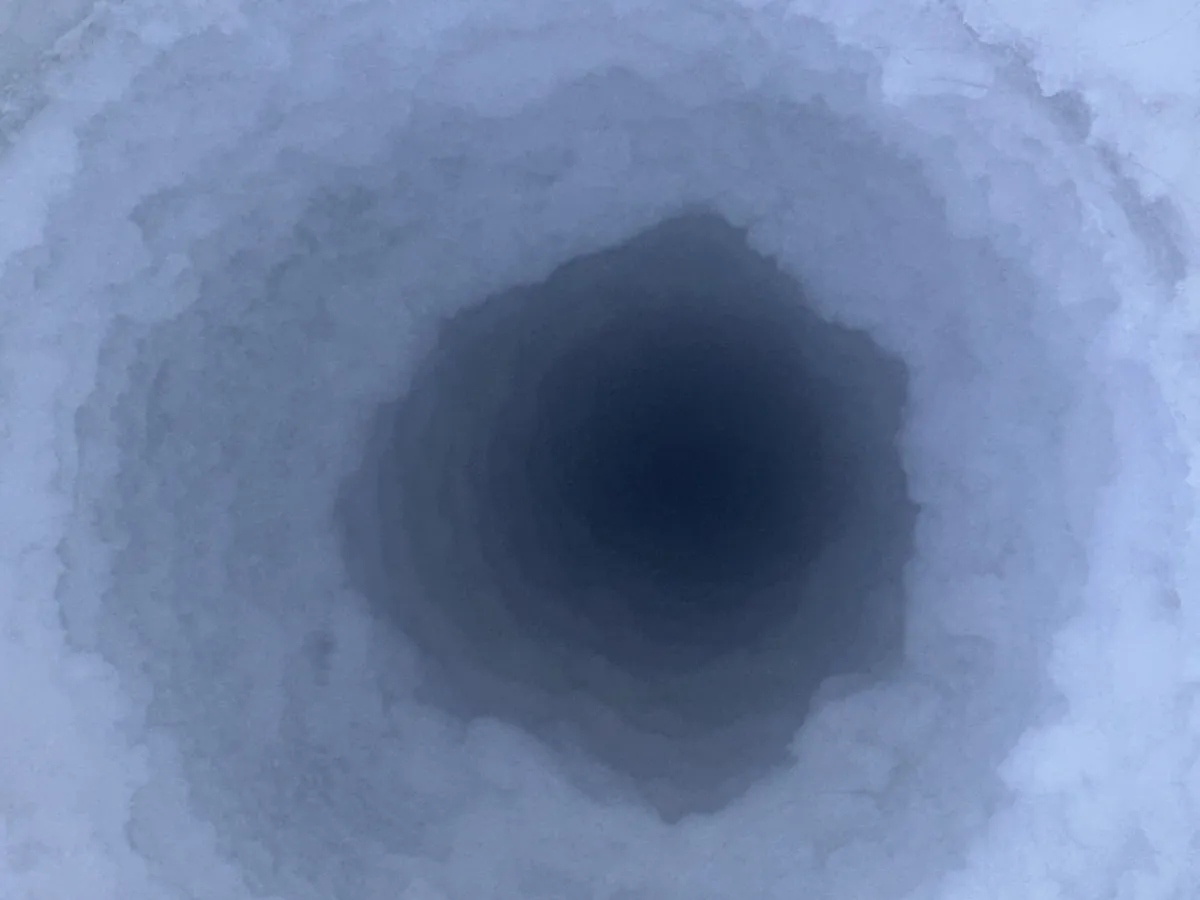
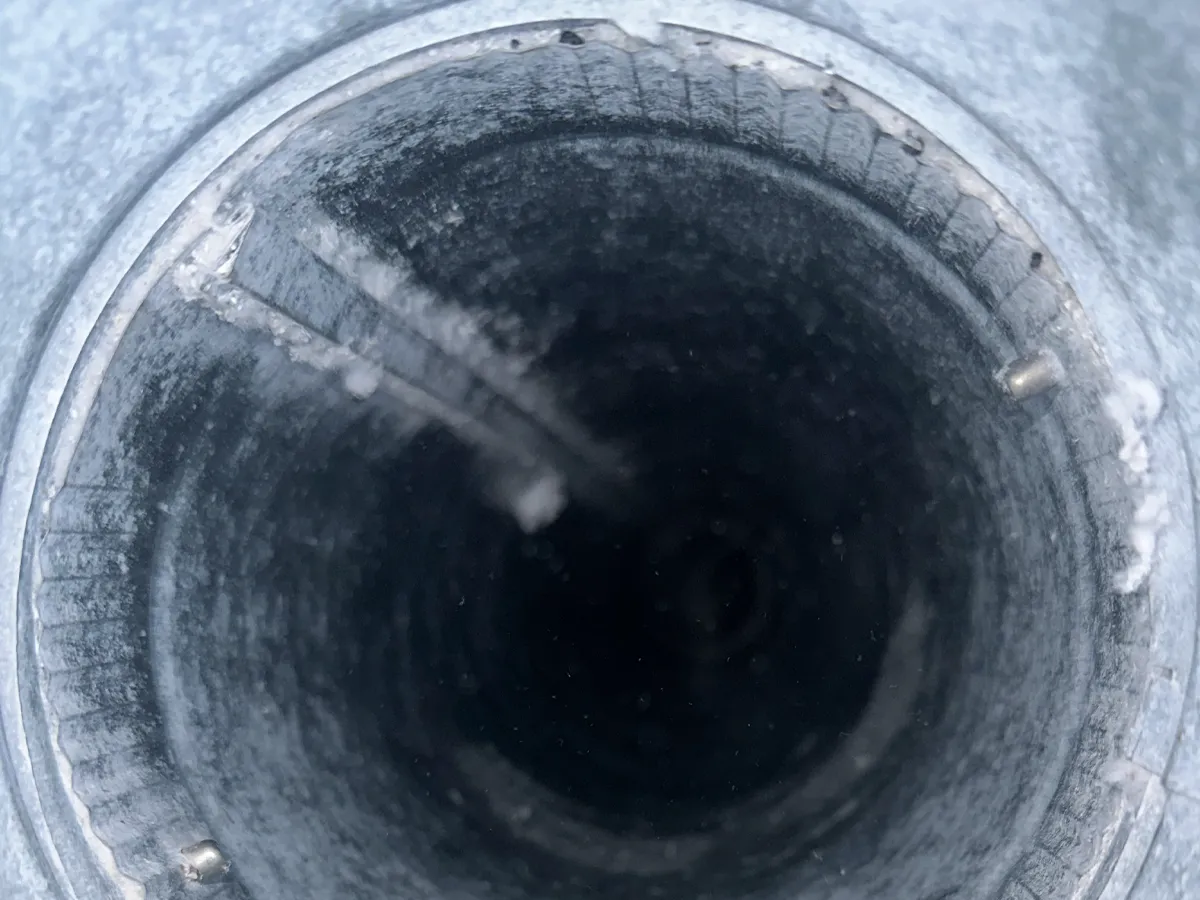
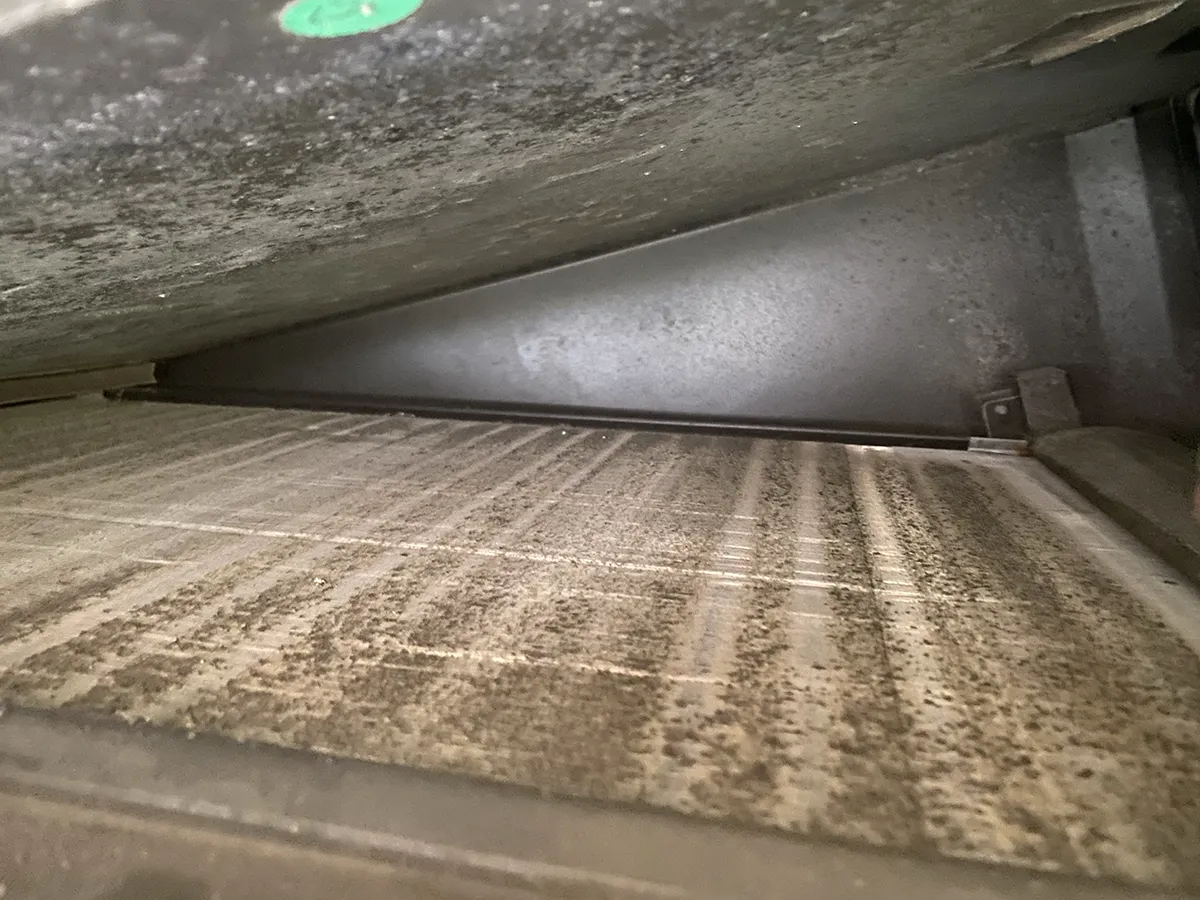
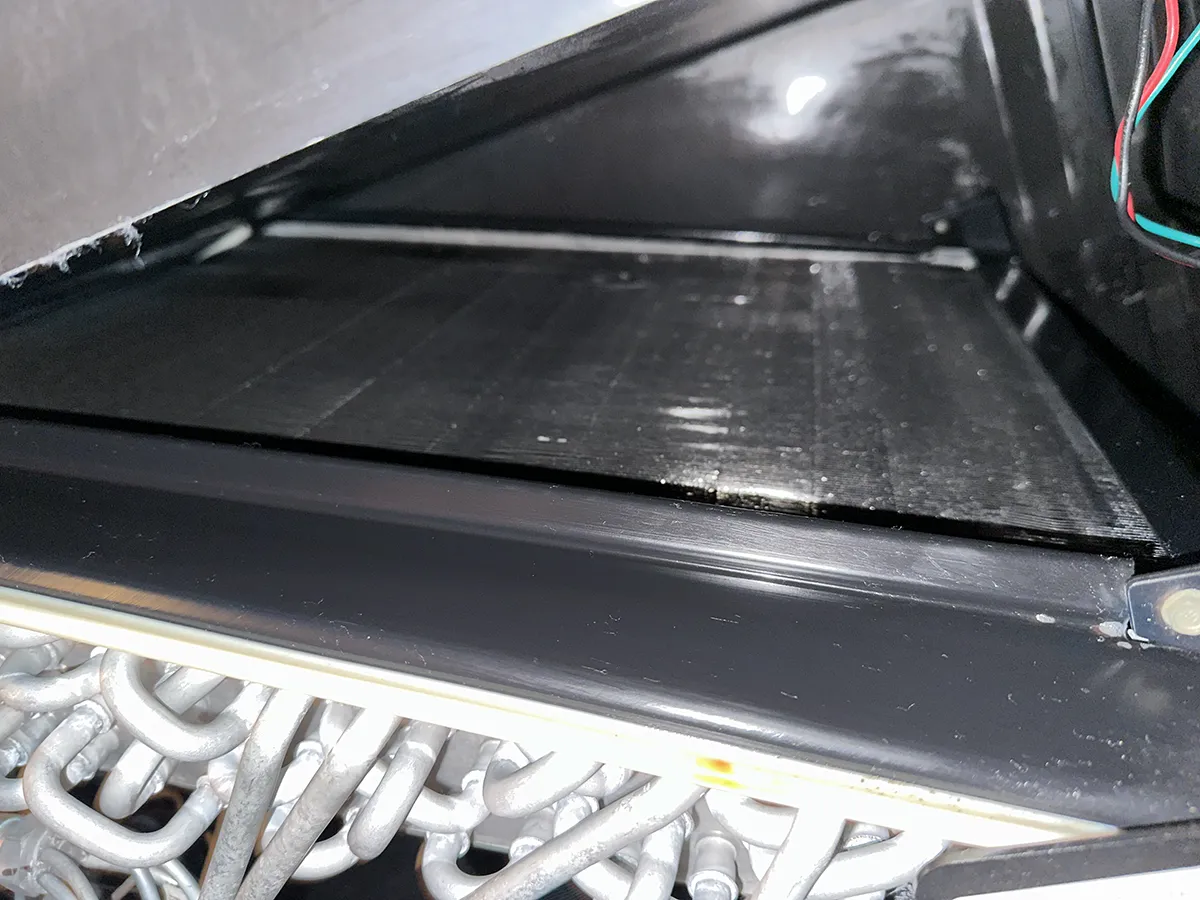
Dust on the vent covers and register grilles is the sign everybody catches. The one worth paying attention to is what happens after you clean them. If the registers need dusting again a week later, something upstream is feeding them. Same story with a fine film settling on furniture and picture frames a few days after you wiped everything down. In a newer house out in west Apex, that film is often drywall dust the builder left sitting in the system.
Turn the AC on and pay attention to the first minute. A musty smell that shows up on startup and fades after twenty minutes is one of the clearest signals in Apex homes, and it usually points at the crawl space rather than the ducts themselves. Uneven airflow is the other one. If the living room is fine and the back bedroom never quite gets there, something is restricting that run.
Three to five years is the standard interval, and plenty of Apex homes are nowhere near it. If your house went up during the Haddon Hall or Scotts Mill era and nobody has opened the ductwork since, you are not slightly overdue. You are two decades past it. A recent renovation, a new pet, or a house you just bought and know nothing about are each worth twenty minutes of somebody looking, whatever the last cleaning date was.


Clogged dryer vents are one of the leading causes of household fires and poor dryer performance. Our professional dryer vent cleaning services in North Carolina remove lint buildup, restore airflow, and help keep your home safe and efficient.
Learn More

Your attic affects your home's comfort, energy costs, and the air your family breathes every day. Our attic cleaning services in North Carolina remove contaminated insulation, debris, and buildup, then restore your attic with clean, properly installed insulation built for our local climate.
Learn More
Water damage moves fast. What starts as a small leak or a flooded basement can turn into structural damage, mold growth, and costly repairs within hours, especially in North Carolina's humid climate. Our team responds around the clock to stop the damage, dry your property, and restore it to the condition it was in before any of this happened.
Learn More

A fireplace requires regular attention to stay safe. Soot, creosote, and debris build up inside your chimney over time, and that buildup is one of the leading causes of chimney fires. Before North Carolina's cooler months arrive, getting your chimney properly cleaned gives you one less thing to worry about.
Learn More

Moisture that builds up down in the crawl space works its way into your floors, your walls, and the air your family breathes every day. Crawl space encapsulation seals off that moisture at the source, giving you a drier, healthier home without the ongoing battle against humidity and mold.
Learn More

Damaged or leaky ductwork drives up energy bills and pushes unfiltered air into your home. Our duct repair and replacement services in North Carolina seal, restore, or replace deteriorated sections to keep your HVAC system efficient and your home comfortable year-round.
Learn More
It is the most common call we get in Apex, because so many homes here went up in the same stretch of years. The standard interval is every three to five years, so a system that has gone twenty-plus is well outside it. That does not automatically mean something is wrong. It means nobody knows what is in there, including you. A free inspection answers that in about twenty minutes.
Yes, and a large share of Apex homes are built that way, especially closer to downtown. Crawl space duct comes with its own issues: sagging flex runs, gaps at the boots, and constant humidity. We clean it. And if we find the crawl space itself is the real problem, we will tell you that instead of selling you a cleaning that will not hold.
Often yes, which surprises people. Ductwork goes in early and then sits open through the rest of construction, collecting drywall dust and sawdust. Most builders do not clean it before closing. If you are seeing fine dust settle on furniture in a house that is a year old, that is usually the reason.
Most single family homes in Apex run three to five hours, depending on the size of the system and how many returns it has. Larger homes in west Apex with multiple zones can take longer. We give you a realistic window after the inspection rather than a guess over the phone.
No. Cleaning is maintenance, not modification. We do not cut into the system or swap components as part of a standard cleaning. If we find something that needs a licensed HVAC repair, we point it out and you decide who handles it.