cleaning service

Professional Crawl Space Encapsulation Services in North Carolina

Moisture that builds up down in the crawl space works its way into your floors, your walls, and the air your family breathes every day. Crawl space encapsulation seals off that moisture at the source, giving you a drier, healthier home without the ongoing battle against humidity and mold.

What is it?

What Is Crawl Space Encapsulation?

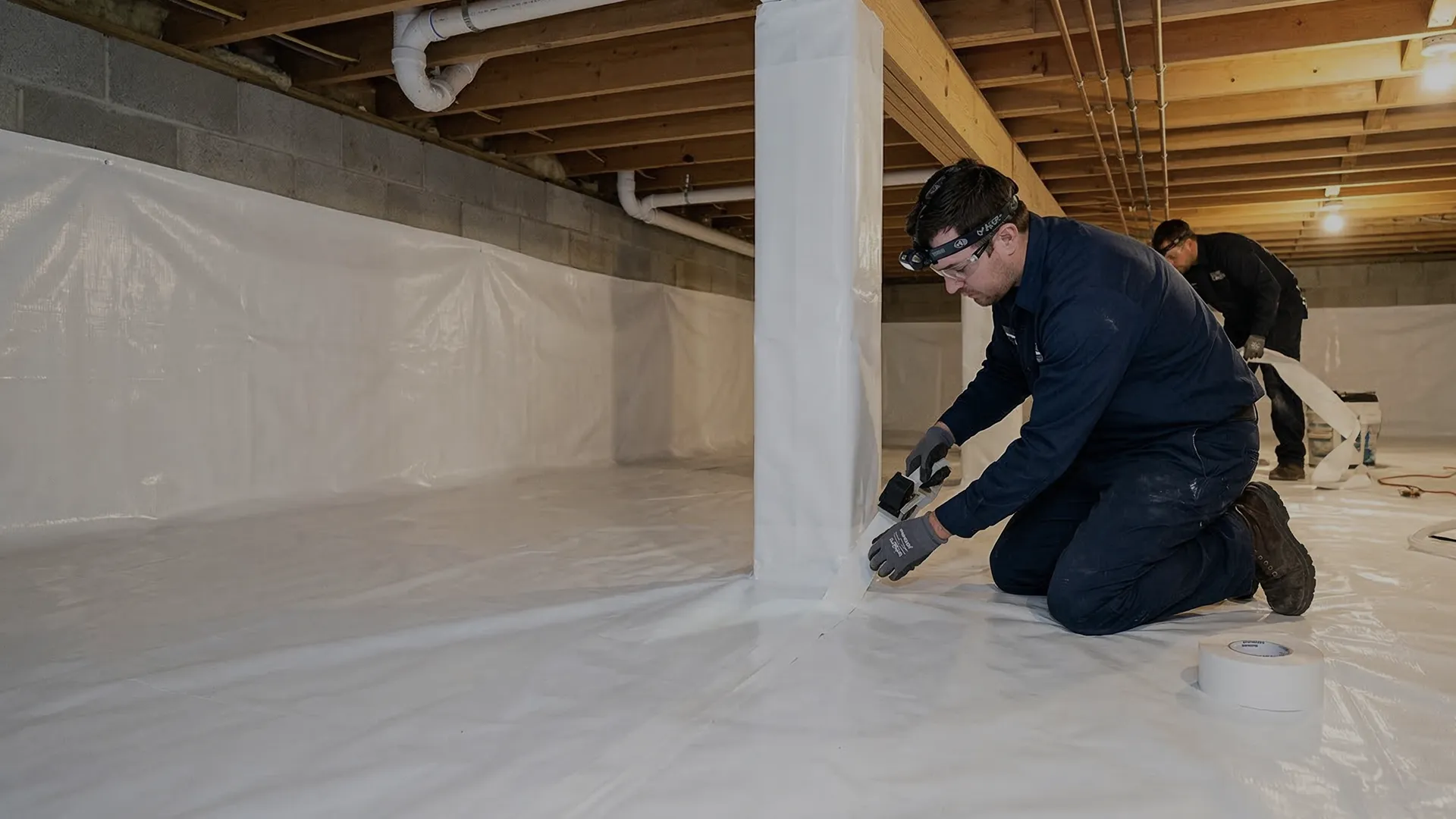
Crawl space encapsulation is the process of completely sealing your crawl space from outside air and ground moisture. A heavy-duty vapor barrier goes over the ground and walls, vents get sealed off, and any gaps or air leaks are closed up tight. The result is a controlled environment that keeps moisture out instead of letting it accumulate unchecked.

A vapor barrier alone only covers the ground. Encapsulation goes further by addressing the walls, vents, and air leaks that let outside humidity in. In North Carolina's climate, where humidity stays high for much of the year, that difference matters. A partial fix leaves too many entry points open, and moisture finds them.

Why Crawl Spaces Fail

Most crawl space problems come down to one thing: moisture with nowhere to go. North Carolina's heat and humidity create the right conditions for a long list of issues that get worse the longer they go unaddressed.

Up to 50% of the air inside your home can originate from the crawl space. What happens down there doesn't stay down there.

Common problems that start in the crawl space:

  • High humidity and condensation on surfaces and structural wood
  • Mold and mildew growth that spreads into floors and walls
  • Wood rot that weakens floor joists and structural supports
  • Musty odors that travel up into living areas
  • Rising energy costs as conditioned air escapes through gaps
  • Pest and rodent entry through open vents and unsealed areas

None of these problems fix themselves. They tend to get more expensive the longer they're left alone.

Book Your Free Consultation Now!

Thank you! Your submission has been received!
Oops! Something went wrong while submitting the form.
Process Steps

Our Crawl Space Encapsulation Process

Crawl Space Inspection & Moisture Assessment

We start by getting a clear picture of what's happening down there. Moisture levels, existing damage, ventilation issues, and any signs of mold or pest activity all get documented before any work begins.

Debris Removal & Surface Preparation

The crawl space gets cleared out and prepped so the encapsulation materials can be installed properly against clean surfaces.

Heavy-Duty Vapor Barrier Installation

We install a thick, commercial-grade vapor barrier across the ground and up the walls. The liner is sealed at the seams and secured at the edges to create a continuous moisture barrier with no gaps.

Air Sealing & Vent Sealing

Open crawl space vents and any gaps around pipes, wires, and penetrations get sealed off. This is where encapsulation separates itself from a basic vapor barrier job.

Crawl Space Insulation

Where insulation is missing, damaged, or insufficient, we install or repair it to improve your home's energy performance.

Dehumidifier Installation

In crawl spaces with persistent moisture issues, a dedicated dehumidifier keeps humidity levels in check year-round. We'll let you know during the inspection whether this makes sense for your situation.

Final Inspection & Humidity Verification

We check the finished installation, verify moisture readings, and walk you through what was done and what to expect going forward.

Why Choose Us

Crawl Space Encapsulation

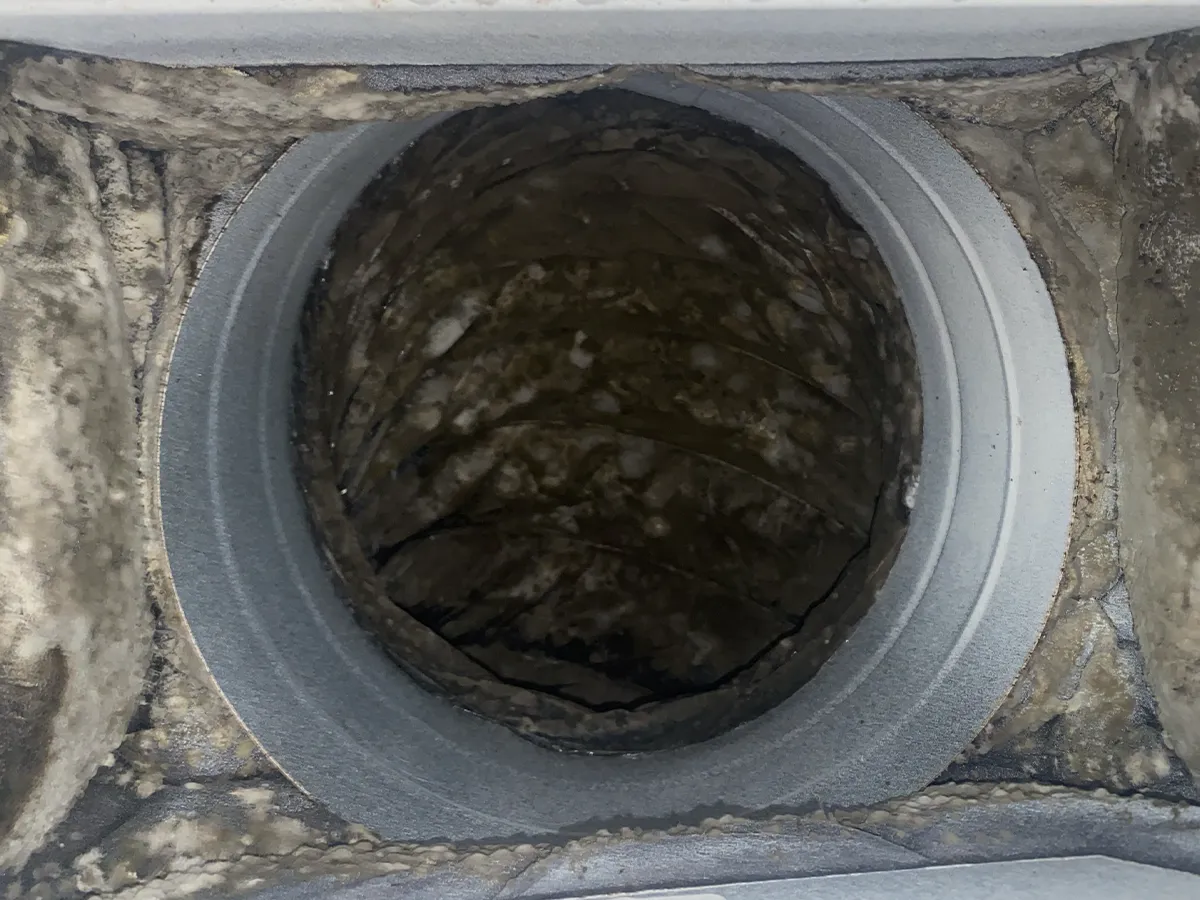
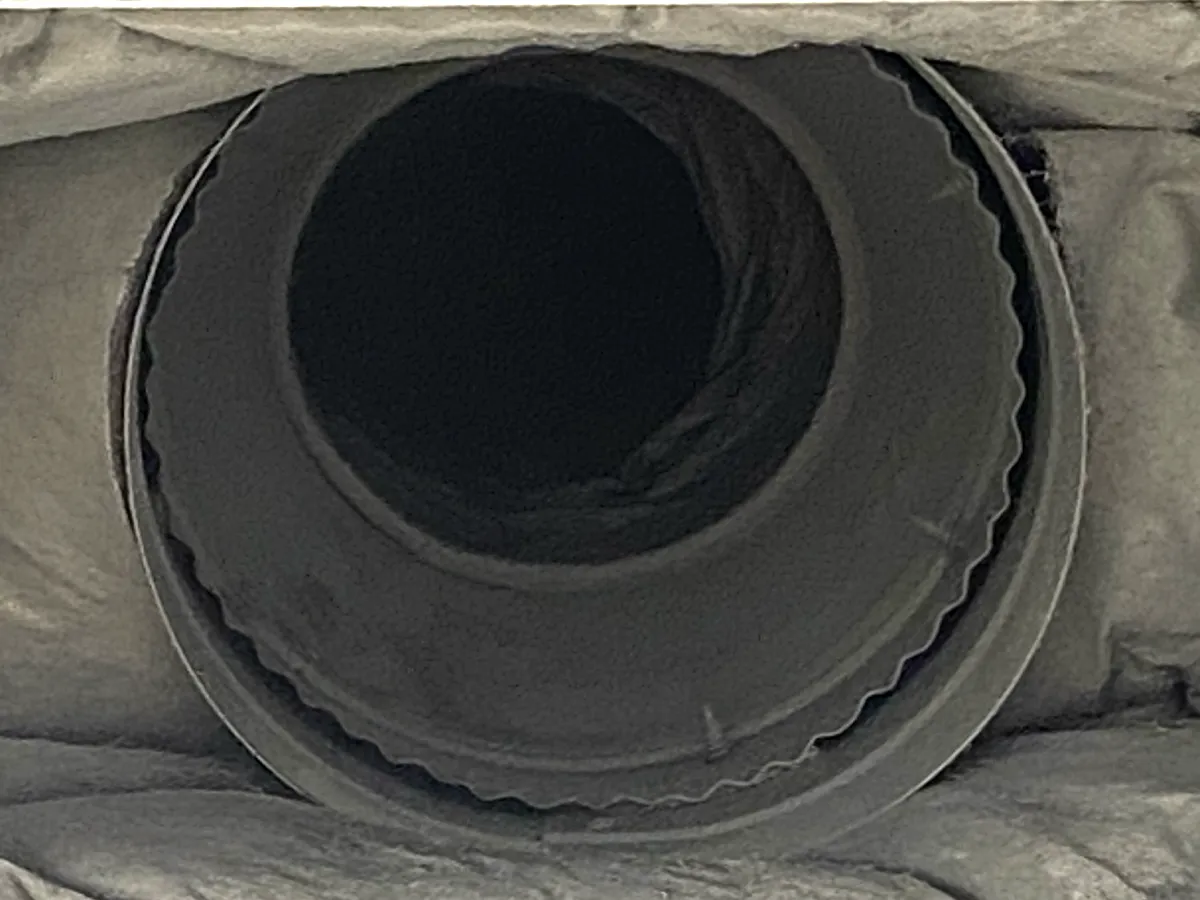
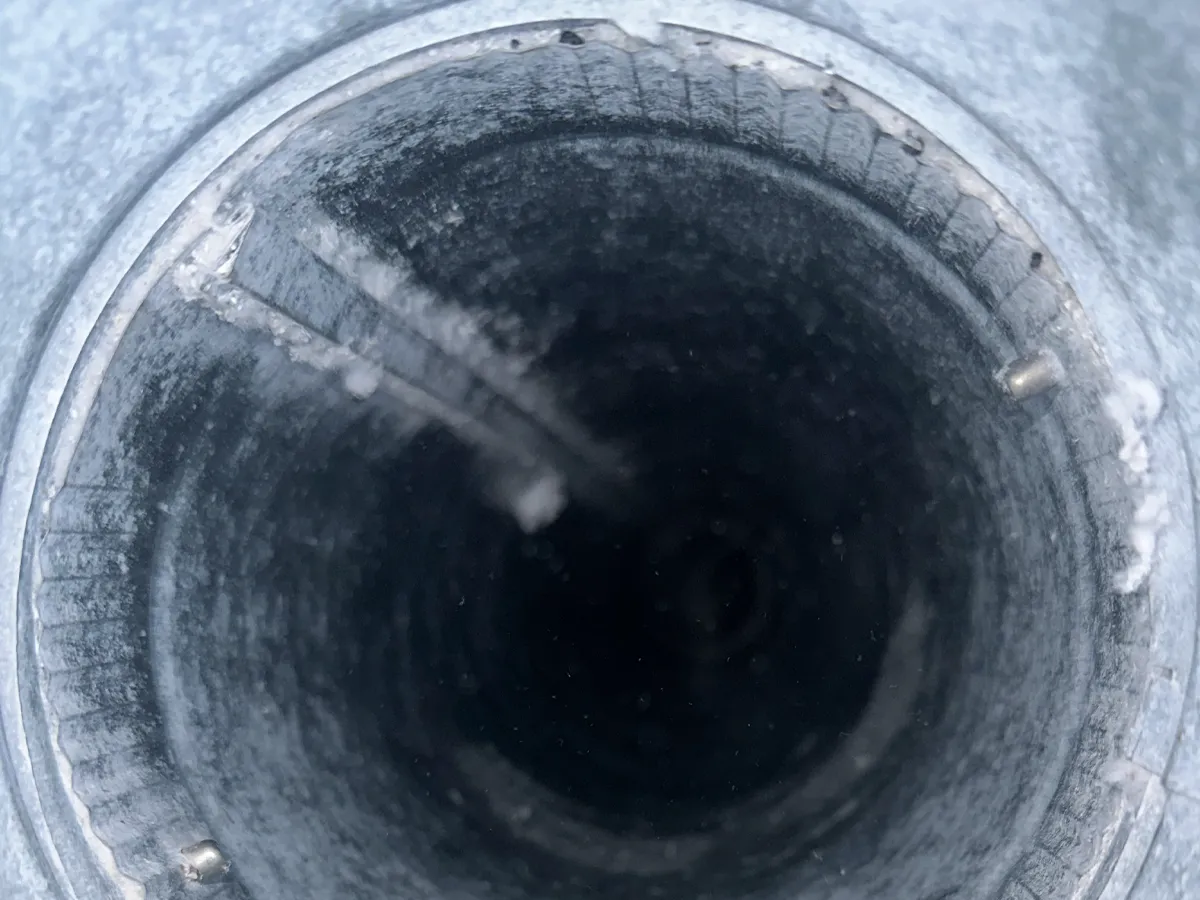
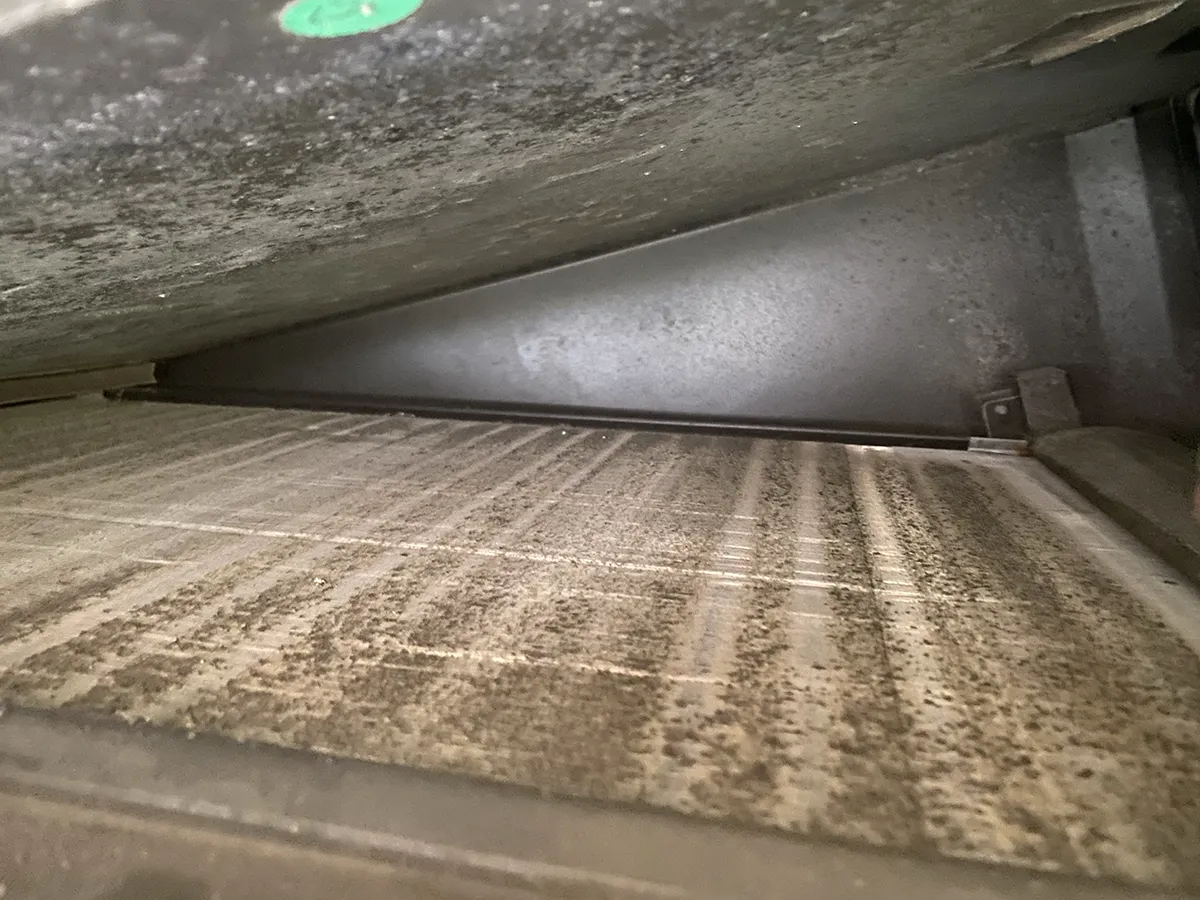
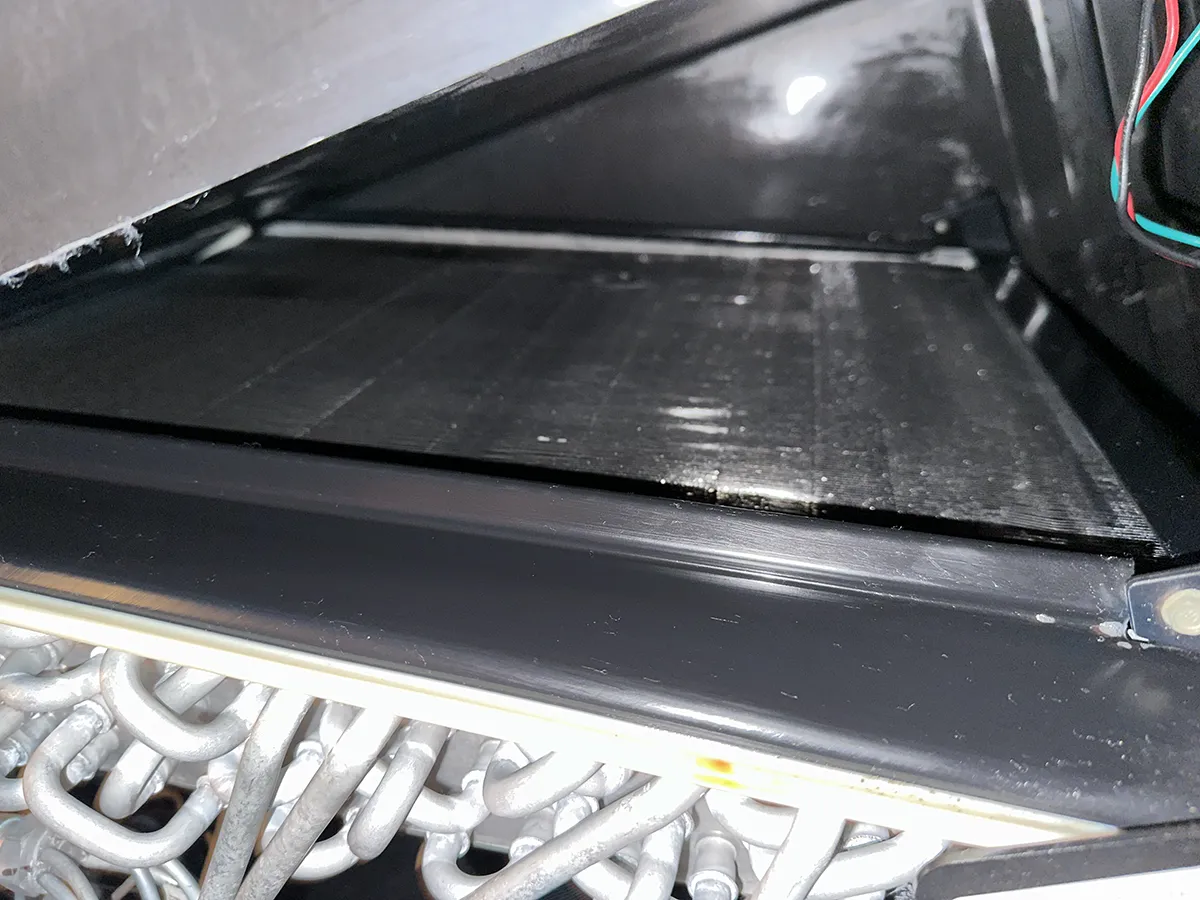
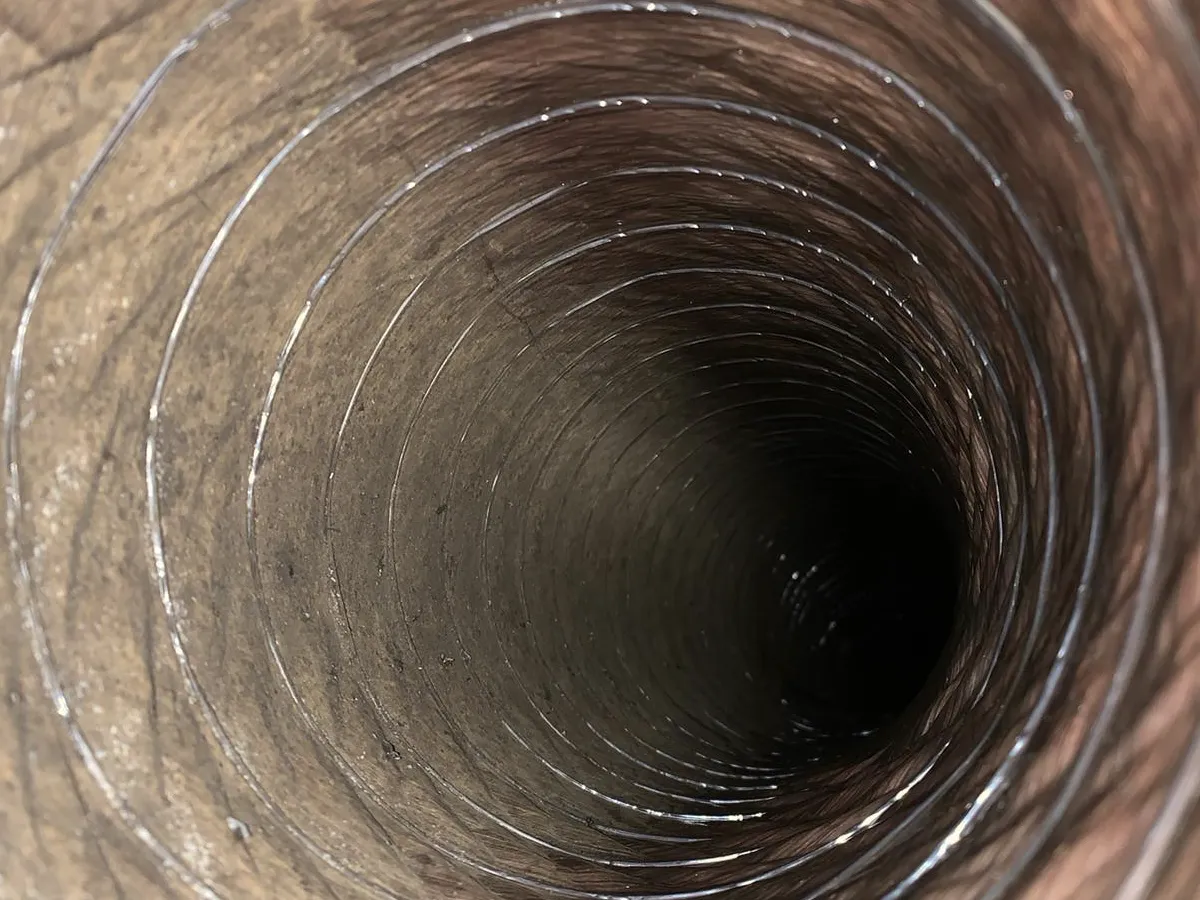
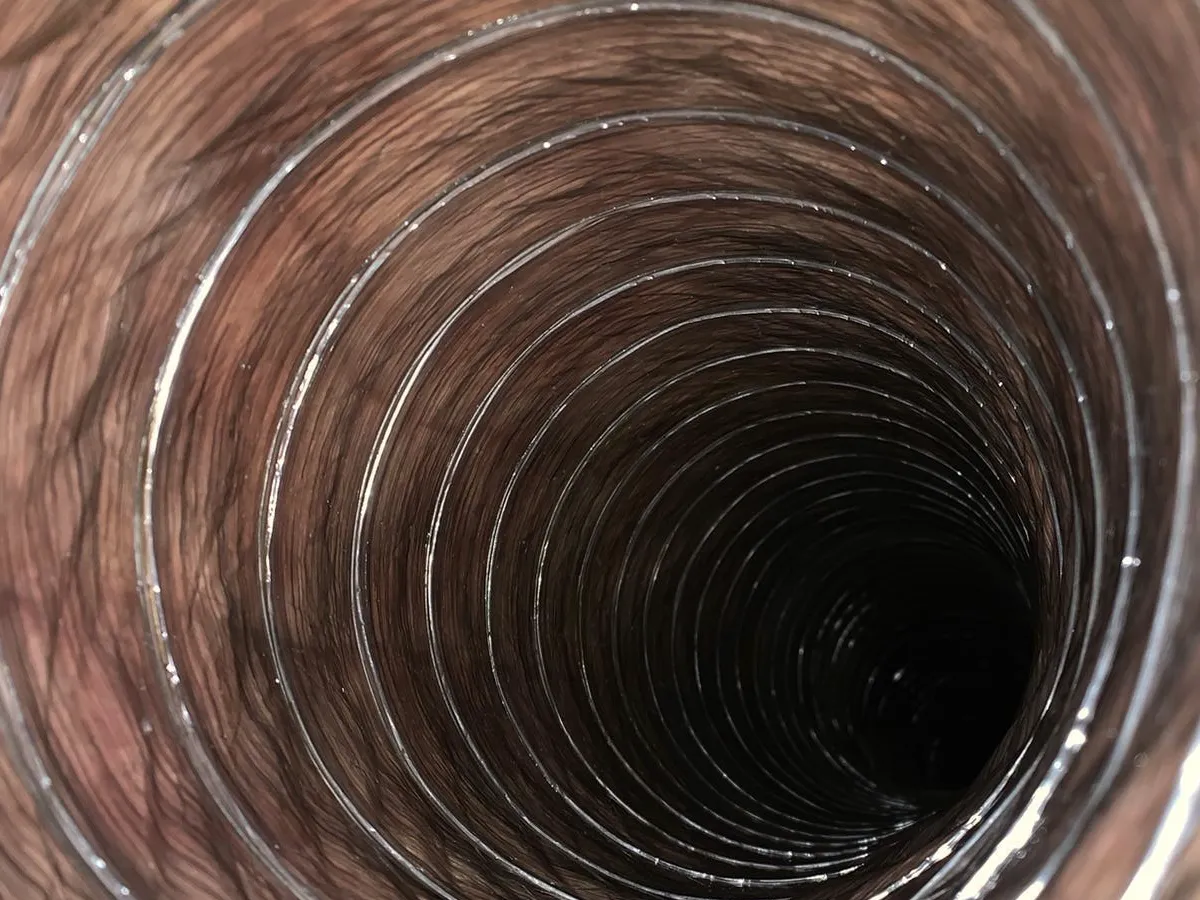
Before cleaning, lint buildup restricts airflow and traps heat inside the vent system. After professional cleaning, airflow is restored- resulting in safer operation, faster drying times, and improved efficiency.

Before
After
Before
After
Before
After
Before
After
why summit?

Benefits of Crawl Space Encapsulation

More Services We Offer

See Other Services in North Carolina

FAQs

Frequently Asked Questions

Can I encapsulate a crawl space myself?

The materials are available, but proper installation requires attention to detail that's easy to get wrong. Gaps, unsealed seams, and improperly covered vents undermine the whole system. Professional installation ensures the job is done right the first time.

Can mold grow under a vapor barrier?

If the barrier is installed correctly with sealed seams and no gaps, moisture can't pool underneath it. Poor installation leaves room for moisture to get trapped, which is why proper prep and sealing matter as much as the barrier itself.

Do I need a dehumidifier with encapsulation?

Not always, but often it helps. In crawl spaces with high moisture levels or persistent humidity issues, a dedicated dehumidifier gives you an added layer of control. We'll tell you honestly during the inspection whether it makes sense for your home.

Does encapsulation help with allergies?

It can. Mold spores and other crawl space contaminants that make their way into your living space are known allergy triggers. Sealing off that air pathway reduces exposure for people sensitive to those irritants.

How long does encapsulation last?

A properly installed encapsulation system with quality materials lasts 20 years or more. The vapor barrier itself is built to hold up over time, and we back our work with a strong warranty.

Is crawl space encapsulation covered by insurance?

Standard homeowners insurance typically doesn't cover encapsulation as a preventive service. If your crawl space has suffered damage from a covered event like a burst pipe or storm flooding, some of the associated work may be covered. We recommend checking with your insurance provider directly.

Is crawl space encapsulation worth it?

For most North Carolina homeowners, yes. The combination of improved air quality, lower energy costs, mold prevention, and avoided structural repairs makes encapsulation one of the better investments you can make in your home's long-term condition.

Is encapsulation better than venting?

In humid climates like North Carolina's, yes. Venting a crawl space brings in outside air that often carries more moisture than the crawl space already has. Sealing and conditioning the space keeps humidity levels under control far more reliably.