North Carolina's climate creates near-perfect conditions for mold. Humidity stays high for much of the year, and crawlspaces and basements hold onto moisture in ways that aren't always visible from inside the home. Heavy rainfall and storm-related leaks introduce water into walls, attics, and floors. Poor ventilation in bathrooms, attics, and HVAC systems keeps that moisture trapped long enough for mold to take hold.
Temperature swings between seasons cause condensation on surfaces throughout the home, adding another source of moisture that feeds mold growth. None of this makes mold normal or acceptable. It makes it a problem that North Carolina homeowners need to stay ahead of.
Mold Removal vs. Mold Remediation: What's the Difference?
These two terms get used interchangeably, but they describe different scopes of work.
Mold removal refers to the physical removal of visible mold from surfaces. It addresses what you can see. Mold remediation is the full process: containment, removal, cleaning, drying, and addressing the moisture source that allowed mold to grow in the first place.
Cleaning surface mold without fixing the underlying moisture problem means mold comes back. True remediation treats the cause, not just the symptom. That's the standard we hold our work to.
Why Mold Should Never Be Ignored
Mold is not just a cosmetic issue. Left alone, it causes real health problems and real structural damage, and it tends to spread faster than most homeowners expect.
Health risks associated with mold exposure include:
- Respiratory irritation and chronic coughing
- Allergic reactions and asthma flare-ups
- Persistent odors that affect daily comfort
- Heightened sensitivity in children, elderly residents, and anyone with existing respiratory conditions
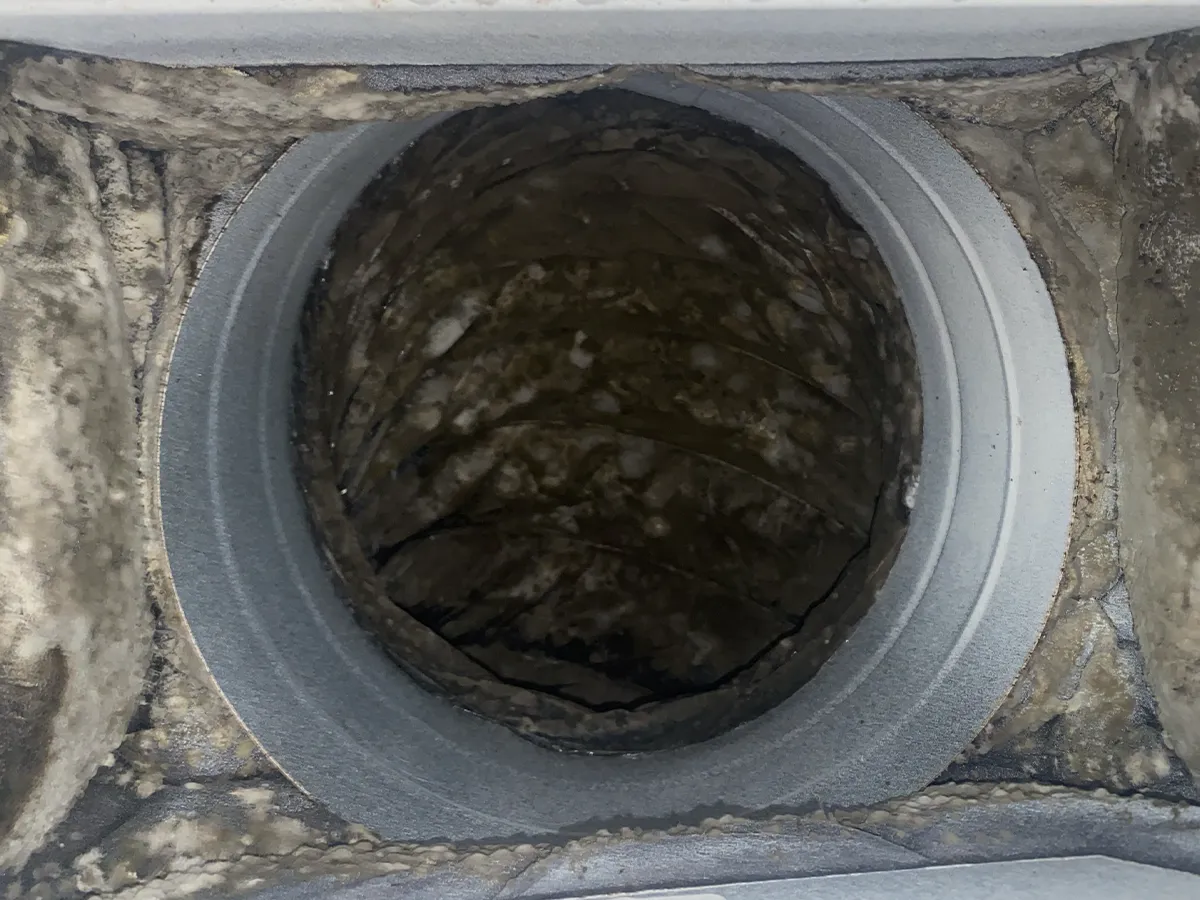
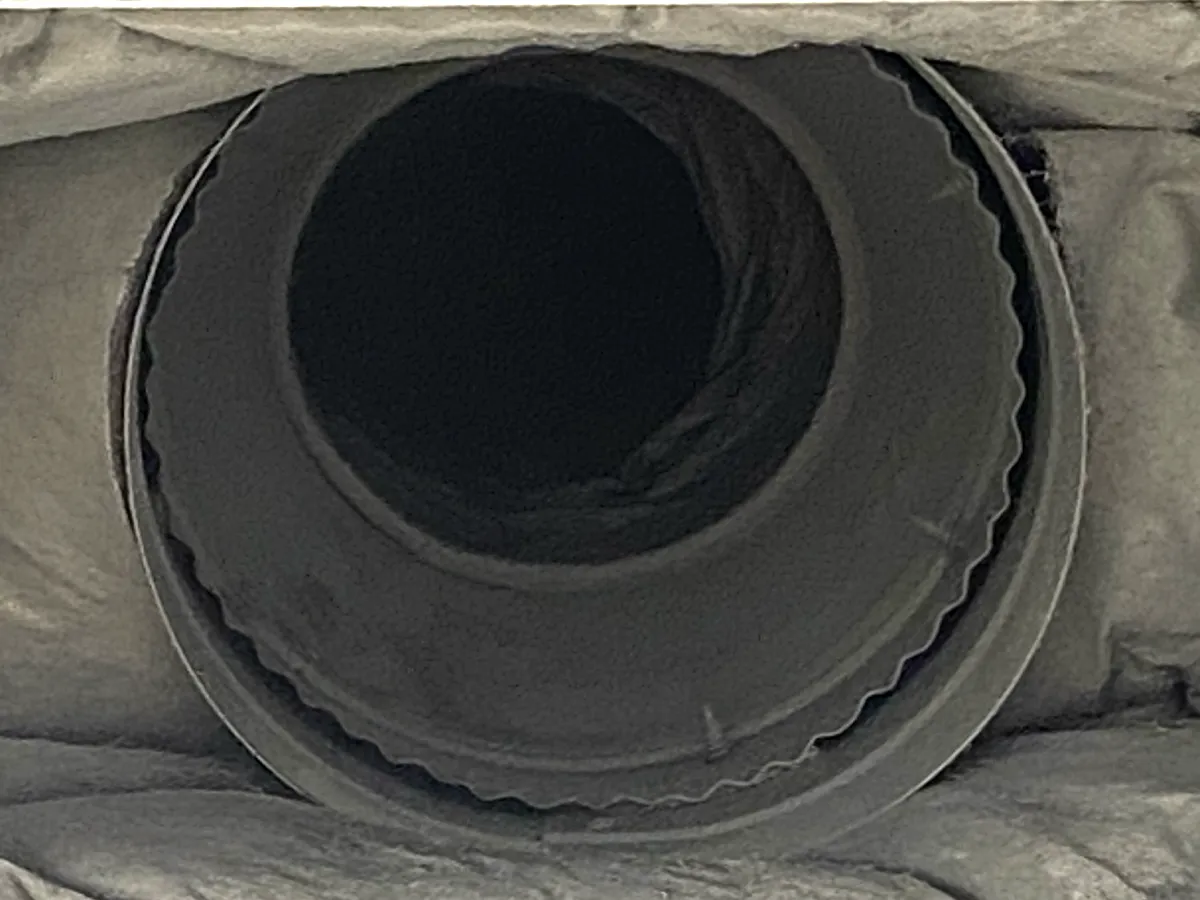
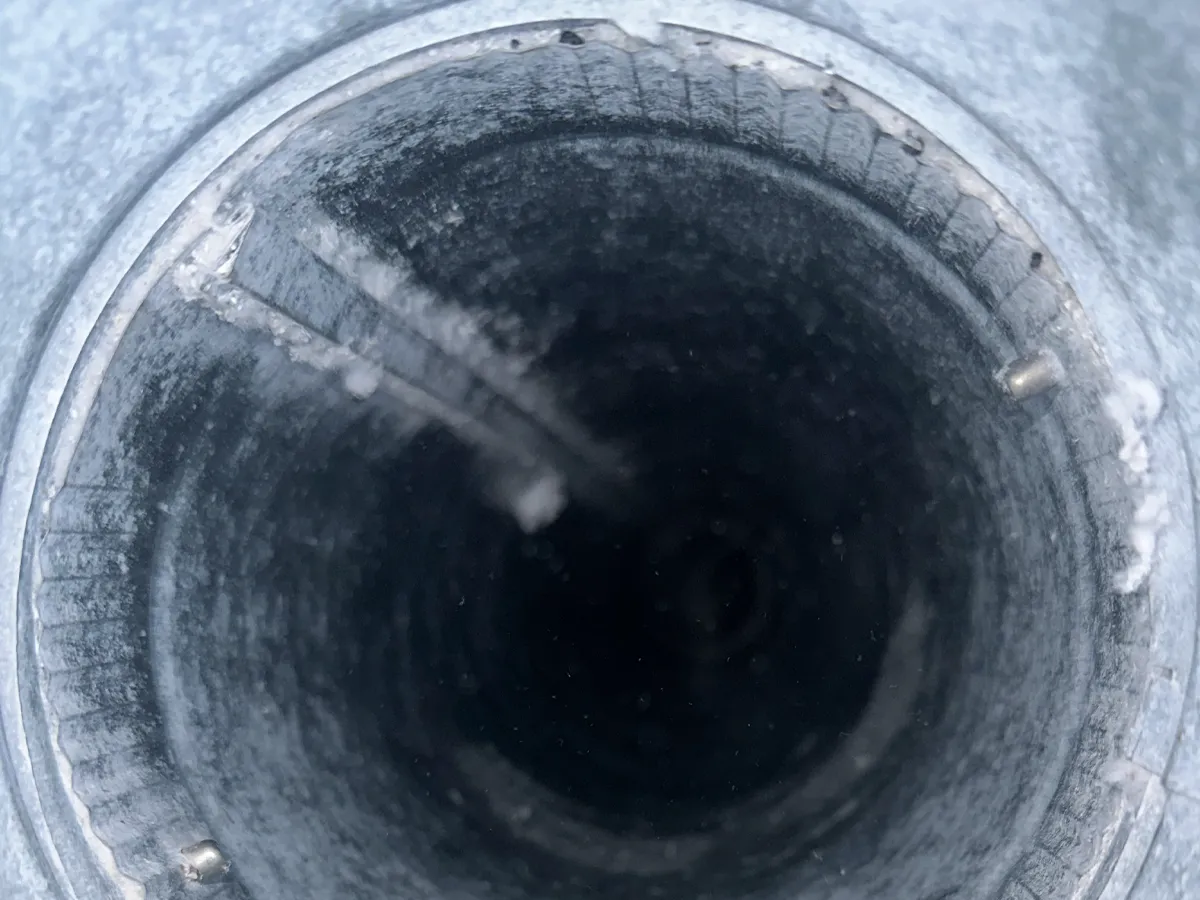
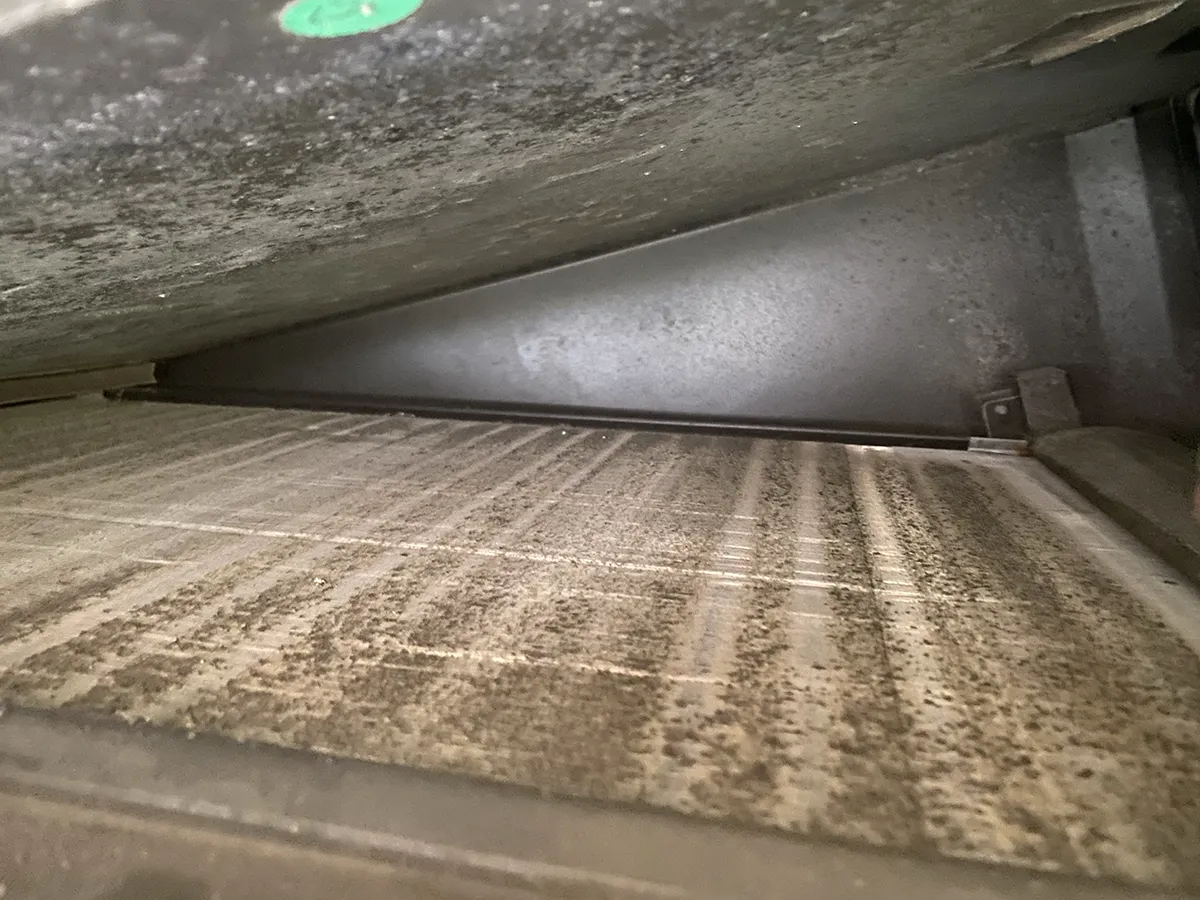
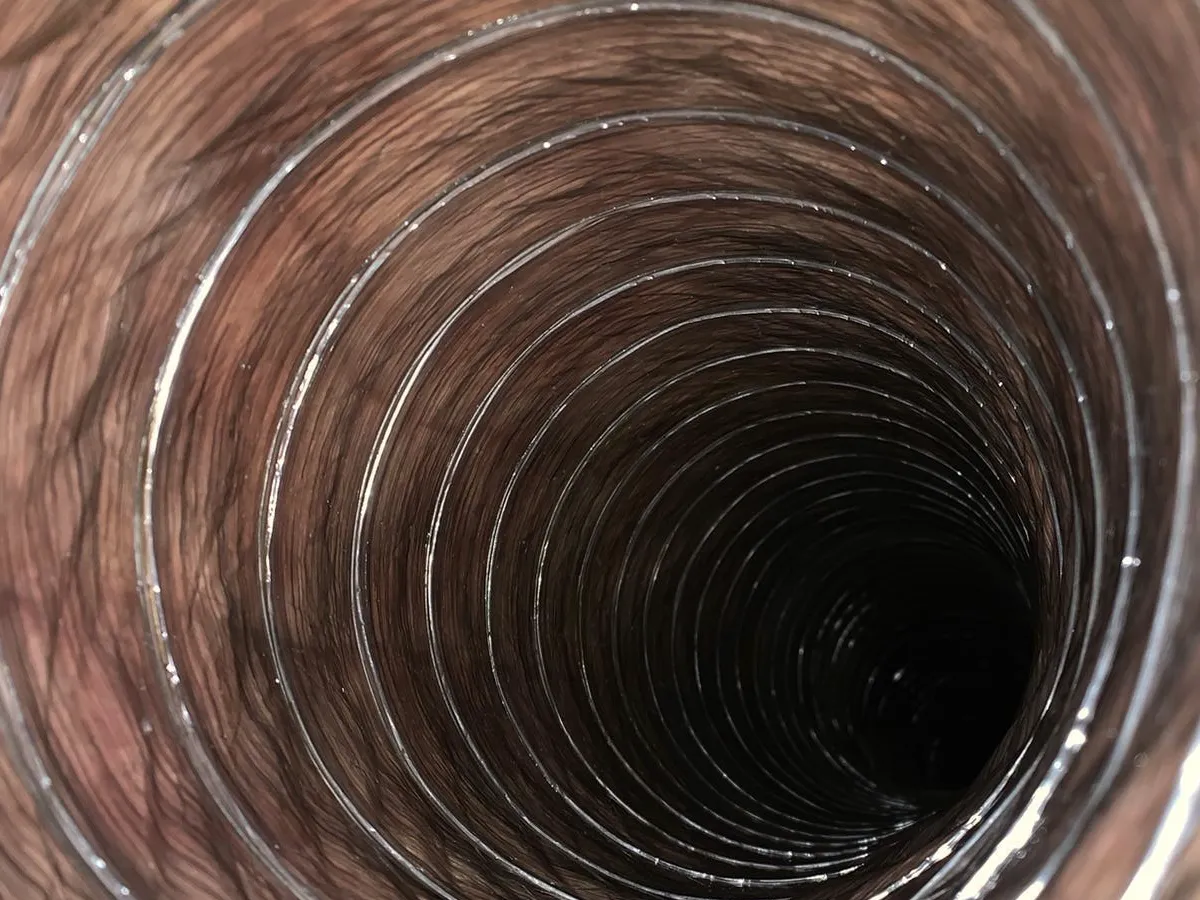
Structurally, mold works through drywall, insulation, wood framing, and HVAC systems over time. Spores travel through air ducts and spread contamination to areas far from the original source. The longer it's left alone, the more it costs to fix.
Signs Mold Remediation May Be Needed
These are the most common warning signs that mold has taken hold somewhere in your home:
- Musty or earthy odors that linger regardless of cleaning
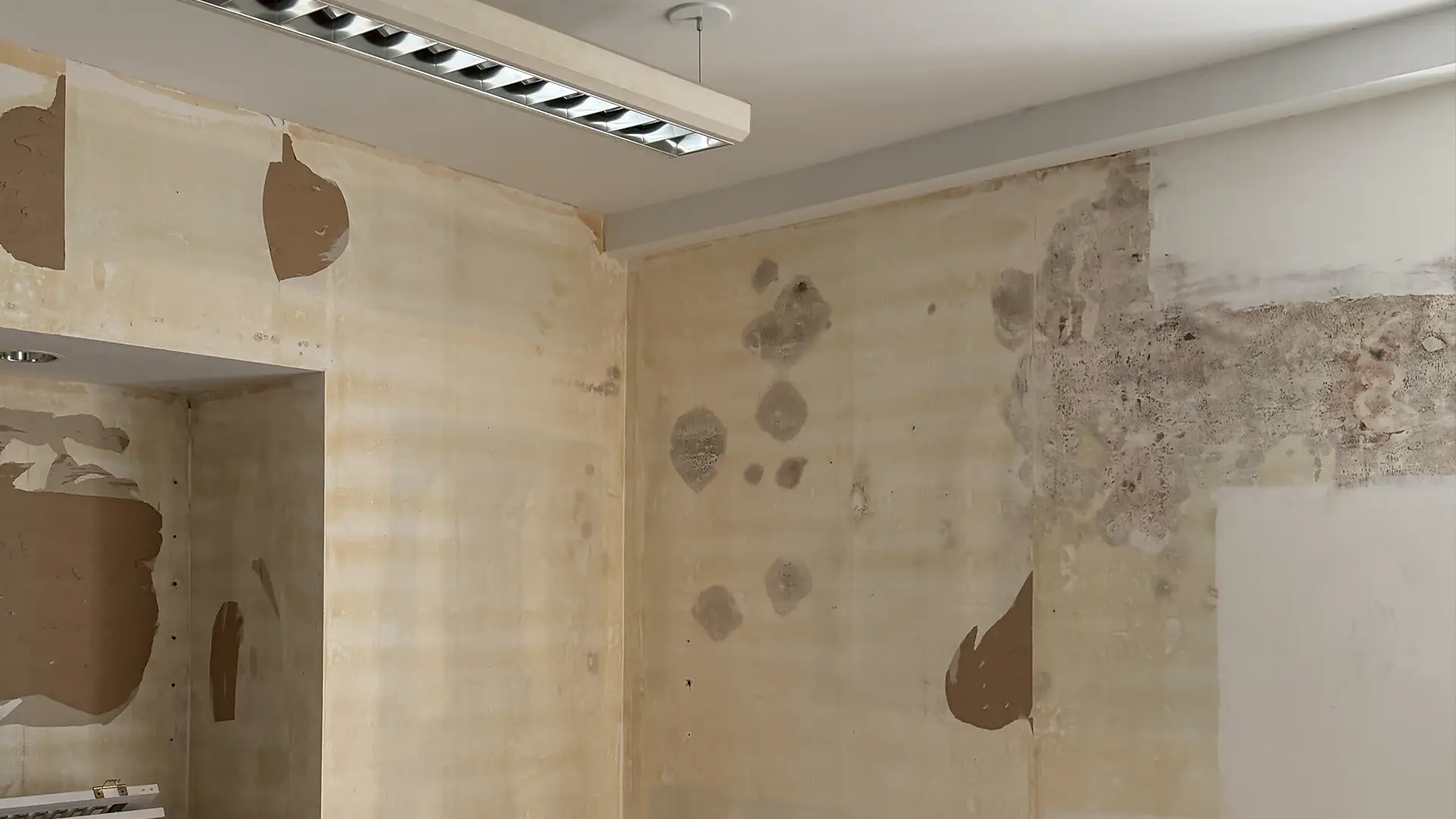
- Visible mold growth on walls, ceilings, vents, or surfaces
- Water stains or unexplained discoloration
- Recent flooding, leaks, or water intrusion
- Condensation buildup on windows, pipes, or walls
- Allergy or asthma symptoms that get worse indoors
If you're seeing or smelling any of these, get a professional evaluation before attempting to clean it yourself. Disturbing mold without proper containment spreads spores to areas that weren't previously affected.