
Spring and fall are generally the best seasons for duct cleaning, but North Carolina's climate changes that calculus more than most guides account for. Our humidity doesn't drop off the way it does in drier states, and our winters are mild enough that timing matters less here than it does up north.
Our team at Air Duct Cleaning in Raleigh, NC gets this question constantly, and the honest answer is that the season matters less than what's actually happening inside your ducts. Here's how to think about timing for a Triangle home.
Quick Answer: Season by Season in North Carolina
Why Spring Works Well in the Triangle
Spring is a strong choice for several reasons that apply almost everywhere, plus a few that are specific to North Carolina.
It clears out winter buildup. Ducts collect dust and debris all winter while homes stay closed up. Spring cleaning removes months of accumulation before the cooling season ramps up.
It gets ahead of pollen season. This matters more here than in most parts of the country. Raleigh, Durham, Cary, and Chapel Hill sit in one of the longest and heaviest pollen regions in the Southeast, with tree pollen often starting in February. Cleaning ducts in early spring, before peak pollen, helps reduce how much gets pulled into your system once trees and grasses are in full bloom.
It removes pet shedding buildup. As pets transition out of their winter coats, shed fur and dander increase noticeably. Spring cleaning catches this before it compounds.
HVAC systems get a break. Spring temperatures in the Triangle are mild enough that most homes aren't running heating or cooling constantly, which gives ducts time to fully dry after cleaning and makes scheduling around the appointment easier.
Why Fall Works Well in the Triangle
Fall offers a different set of advantages, mostly tied to preparing for the season ahead.
It improves furnace efficiency before heavy use begins. Cleaning before the furnace runs constantly through winter means it starts the season working with clear airflow instead of fighting through summer's accumulated dust.
It combats mold that built up over summer. North Carolina's summer humidity is intense, and that moisture works its way into duct systems over months of constant AC use. Fall cleaning addresses mold and moisture issues before they sit untreated through another season.
It avoids the busiest scheduling window. October tends to be the busiest month for duct cleaning companies nationally. Booking early in fall, before that rush, often means better availability and sometimes better rates.
Why Summer and Winter Aren't Ideal, But Aren't Dealbreakers Either
Most guides treat summer and winter as seasons to avoid entirely. In North Carolina, that advice needs some adjustment.
Summer's real issue is humidity, not heat. High humidity slows how quickly ducts dry after cleaning, and air conditioning runs nearly nonstop across the Triangle during peak summer. If mold or a musty smell shows up in July, though, waiting until fall isn't worth the risk. Address it when you find it.
Winter is more workable here than in colder climates. Much of the standard advice against winter cleaning assumes freezing temperatures and constant furnace use that make drying difficult. North Carolina winters are mild enough that this isn't the same obstacle. If you notice a problem in December, you don't need to wait for spring.
The bigger point: don't let "wrong season" talk you out of addressing a real problem. Seasonal timing is about convenience and slightly better conditions, not a hard rule.
When to Skip the Calendar Entirely
Certain signs your ducts need cleaning call for scheduling right away, regardless of what season it is.
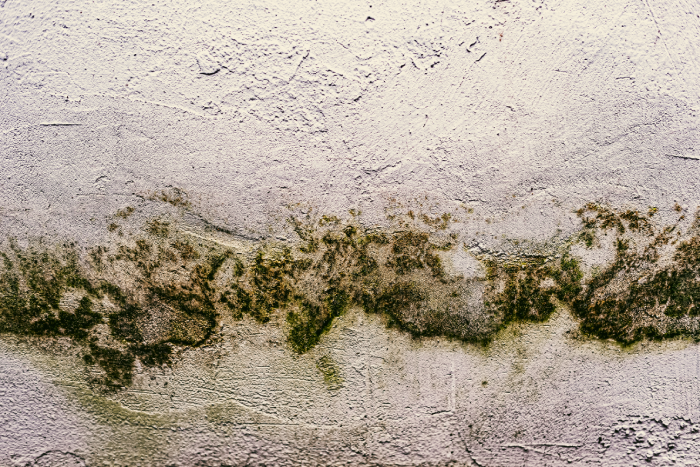
- Visible mold or a persistent musty smell. Mold spreads quickly through duct systems and North Carolina's humidity accelerates that timeline. This needs attention immediately, and in more serious cases warrants professional mold removal
- Rodent or insect activity. Pests in ductwork create ongoing contamination that gets worse the longer it's left alone.
- Recent renovation or construction. Dust from construction work settles into ducts almost immediately, and regular filters won't catch all of it.
- Unexplained spikes in energy bills. A sudden jump in heating or cooling costs without a change in usage often points to restricted airflow from buildup.
- Worsening allergy symptoms indoors. If symptoms are noticeably worse at home than outside, your duct system is worth checking regardless of the time of year.
How Often Should You Clean Based on Your Home
North Carolina's humidity and crawlspace construction often push homes toward the shorter end of these duct cleaning frequency ranges, particularly for properties with ductwork running through unconditioned spaces.
For Commercial Properties in the Triangle
Businesses have their own timing considerations beyond the standard residential calendar.
Industry-specific needs matter. Healthcare facilities, food service businesses, and childcare centers often follow stricter air quality standards that call for more frequent cleaning regardless of season.
Scheduling around business hours reduces disruption. Retail and hospitality businesses generally benefit from booking cleaning after hours or on weekends rather than during operating hours.
Renovations call for immediate attention. Commercial construction and remodeling introduce dust and drywall particles that affect HVAC performance quickly, similar to residential renovations but often at a larger scale.
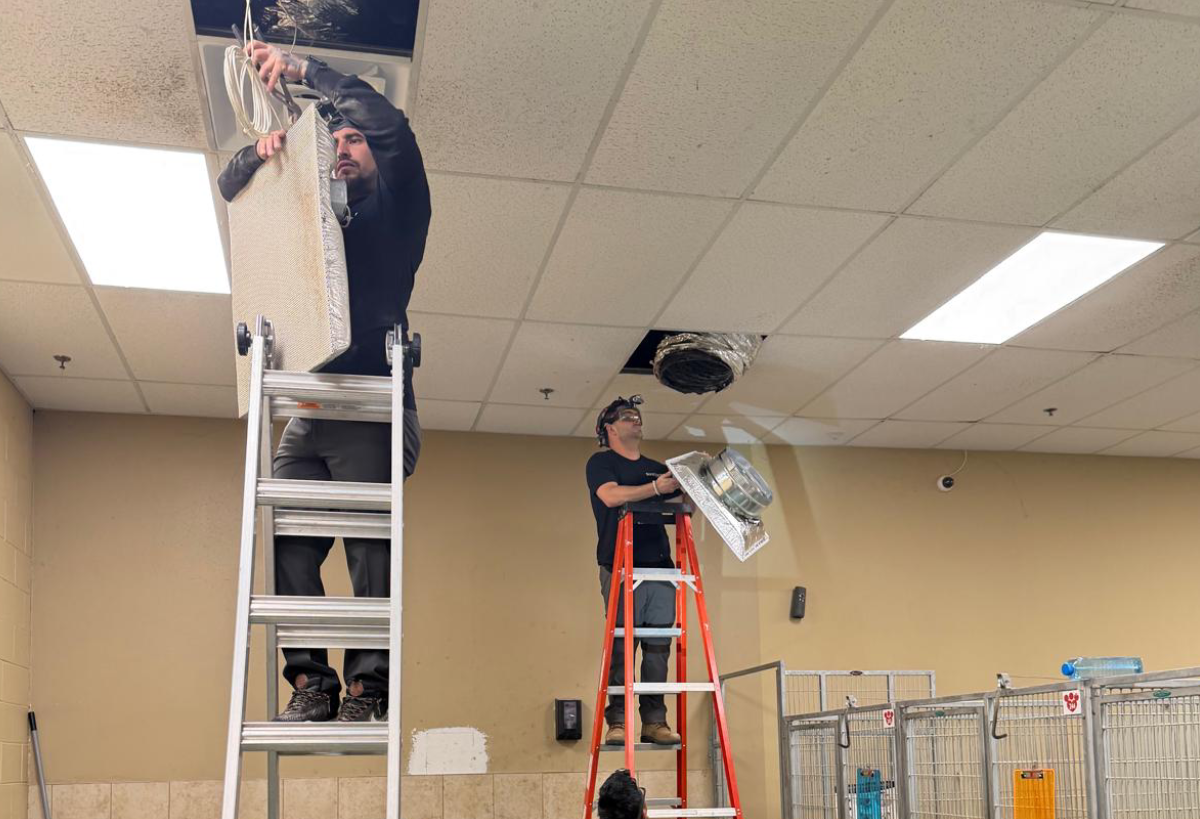
Our Commercial Duct Cleaning in Raleigh, North Carolina team works around your operating schedule, whether that means early mornings, evenings, or weekend appointments that don't interfere with customers or staff.
How to Prepare for Your Appointment
A few simple steps make the air duct cleaning process go smoother regardless of when you schedule it.
- Clear access paths to all vents and your HVAC system
- Make sure a technician can park within reasonable distance of your home, since equipment needs that proximity to work effectively
- Point out any musty odors, visible mold, or rooms with poor airflow before work begins
- Secure pets in a separate room during the appointment
- Note any recent renovation or construction work so the technician knows what to expect
What to Expect Afterward
Improved airflow is usually noticeable right away. A few other things are normal in the days following a cleaning:
- Some dust may settle for 24 to 48 hours as remaining loose particles work their way out of the system
- Musty or stale odors should be noticeably reduced if buildup was the source
- Energy bills may decrease slightly as the system no longer works as hard to move air
- Replace your air filter within 30 days of the cleaning, since the process can dislodge particles that the filter will catch during normal operation afterward
Frequently Asked Questions
Is spring or fall better for duct cleaning in North Carolina?
Both work well for different reasons. Spring gets ahead of the Triangle's long pollen season and clears winter buildup. Fall prepares your furnace for heavy use and addresses mold that accumulated during humid summer months. Neither is objectively better, so pick based on what's bothering you most right now.
Can I clean my air ducts in the summer in NC?
Yes, though humidity slows drying time somewhat. If you're dealing with a musty smell, visible mold, or other urgent signs, summer timing shouldn't stop you from scheduling a cleaning.
Does winter cleaning cause problems in North Carolina?
Less so than in colder climates. NC winters are mild enough that drying time and constant furnace operation aren't the obstacles they are in places with harsh winters. If a problem shows up in winter, address it then.
How do I know if my home needs cleaning sooner than the standard schedule?
Visible mold, musty odors, pest activity, recent renovation dust, unexplained energy bill increases, or worsening indoor allergy symptoms are all signs to schedule cleaning immediately rather than waiting for spring or fall.
Why is October a bad time to book duct cleaning?
October tends to be the busiest month nationally for duct cleaning companies as homeowners prepare for winter. Booking earlier in fall, or in spring instead, often means better availability and sometimes better pricing.
Do commercial properties in the Triangle need different timing than homes?
Commercial timing depends more on business hours and industry requirements than season. Healthcare and food service businesses often need more frequent cleaning regardless of time of year, and scheduling around operating hours matters more than the calendar season.
What should I do right after my ducts are cleaned?
Replace your air filter within 30 days, expect some minor dust settling for a day or two, and keep an eye on your next energy bill, since many homeowners notice a slight decrease once airflow improves.
Ready to schedule, whatever season it is? Get a free quote and our team will work around what fits your home and schedule best.