

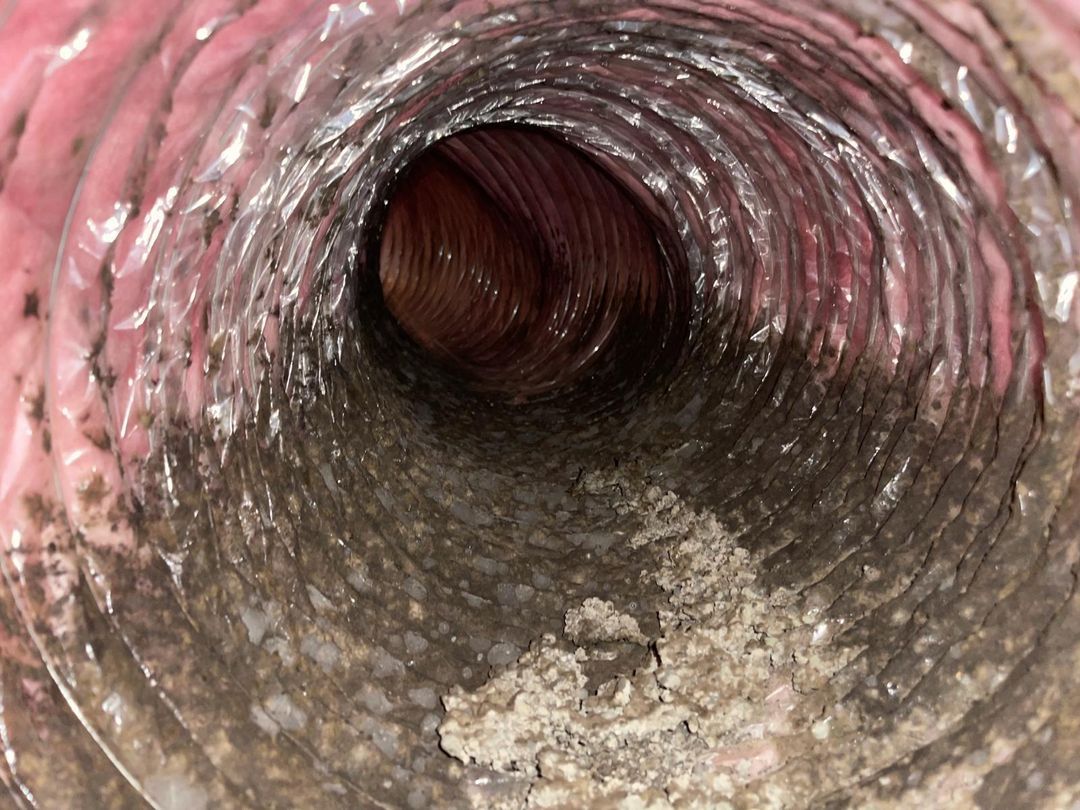
Dirty air ducts don't cause allergies on their own, but they can make existing allergy symptoms significantly worse. When dust, mold spores, pet dander, and pollen accumulate inside your duct system, your HVAC circulates those particles through every room every time it runs. For anyone already sensitive to those triggers, that constant recirculation keeps symptoms from improving even when outdoor pollen counts drop.
If your allergies feel worse indoors than outdoors, or symptoms linger well past peak pollen season, your duct system is worth a closer look. Our team at Air Duct Cleaning in Raleigh, NC has seen this pattern across Triangle-area homes repeatedly, and the connection between neglected ductwork and persistent indoor allergy symptoms is real.
How Dirty Air Ducts Affect Allergy Symptoms
Your duct system moves conditioned air from your HVAC unit through supply vents into every room, then pulls it back through return vents to repeat the cycle. Every pass picks up whatever has settled inside the ducts and sends it airborne again.
Common allergens that build up inside duct systems:
- Dust and dust mites
- Pet dander
- Mold spores
- Pollen carried in from outside
- Rodent debris or insect matter in contaminated systems
None of these stay put once the HVAC kicks on. They get pushed into the air your family breathes, and for people with allergies or asthma, that means constant low-level exposure to the exact triggers their immune systems react to.
The EPA notes that light dust in ducts is normal and doesn't necessarily enter living spaces in meaningful amounts. The situation changes when contamination is heavier, when mold is present, or when pests have been active in the system. Those conditions push real concentrations of allergens into your indoor air, and that's when duct cleaning becomes directly relevant to managing symptoms.
5 Signs Your Ducts Are Making Your Allergies Worse
1. Your symptoms are worse at home than outside
This is the clearest signal. If your nose runs, eyes water, or chest tightens more indoors than outdoors, your home's air is likely the problem. Ducts circulating accumulated allergens keep indoor concentrations high regardless of what's happening outside.
2. Symptoms flare up when the HVAC turns on
Pay attention to timing. Sneezing, congestion, or irritation that starts shortly after your heating or cooling system kicks on points directly to particles being pushed out of the duct system and into the room.
3. Dust builds up on surfaces faster than it should
4. You notice a musty smell when the system runs
Musty odors from vents are a strong indicator of mold growth somewhere in the duct system or HVAC components. Mold spores are potent allergy and asthma triggers, and a system spreading them through your home keeps symptoms elevated regardless of medication or filter changes. This warrants professional mold removal in North Carolina alongside duct cleaning to address it properly.
5. Allergy symptoms persist year-round without seasonal improvement
Outdoor allergens follow seasonal patterns. If yours don't improve during lower-pollen months, indoor sources are likely keeping your exposure high. Ducts that haven't been cleaned in years hold allergens from multiple seasons, triggering reactions regardless of what's currently in the outdoor air.
Why North Carolina Homeowners Face a Higher Risk of Duct-Related Allergy Problems
North Carolina's allergy burden is among the highest in the country, and the Triangle sits in the middle of it. Raleigh, Durham, Cary, and Chapel Hill experience some of the longest pollen seasons in the Southeast, with tree pollen starting as early as February and grass pollen carrying through summer into fall. That's nearly nine months of pollen entering homes every time a door or window opens.
High humidity throughout the state creates ideal conditions for mold and dust mites, both of which thrive in moisture-rich environments. When that humidity works its way into crawlspaces and attic spaces connected to duct systems, it accelerates duct contamination in ways homeowners in drier climates rarely deal with.
A few NC-specific factors that push duct contamination higher than the national average:
- Long pollen seasons mean more outdoor allergens entering the home over more months
- High year-round humidity feeds dust mite and mold growth inside duct walls
- Crawlspace construction is common across the Triangle, and those environments collect moisture and pests that reach ductwork directly
- Older homes in Durham and Chapel Hill frequently have aging duct systems that hold more debris and are harder to fully seal
Properly insulated and sealed attic spaces also play a role. If your attic has old or contaminated insulation, it contributes to the overall air quality burden your duct system has to manage. Professional Attic Cleaning & Insulation Services in North Carolina reduces that load and pairs well with duct cleaning for allergy-sensitive households.
When Duct Cleaning Actually Helps With Allergies
Duct cleaning helps most when there's a specific, identifiable source of contamination inside the system. These are the situations where cleaning produces a real difference in indoor air quality.
In many of these cases, the decision isn’t only about whether contamination exists, but whether duct cleaning is actually worth the cost compared to the expected benefit.
How Much Does Air Duct Cleaning Cost for Allergy Sufferers in North Carolina?
Most North Carolina homeowners pay between $450 and $700 for a standard residential duct cleaning. For allergy-driven cleanings, the final cost depends on what the inspection finds inside the system.
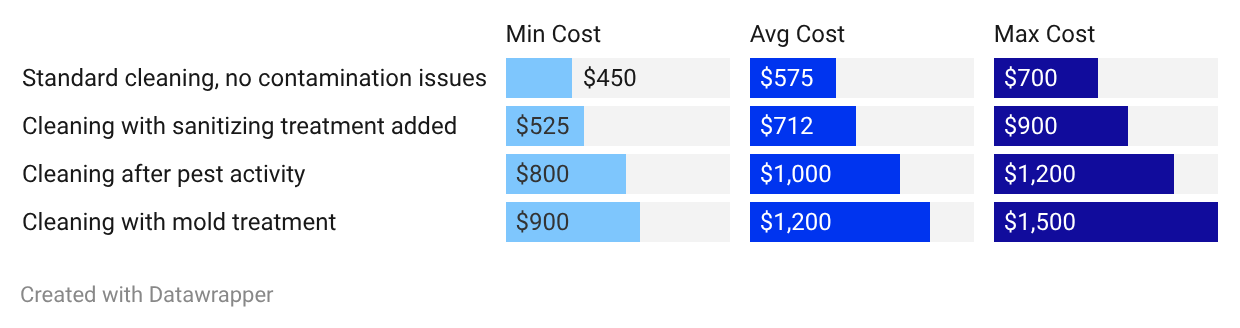
- Standard cleaning with no contamination issues costs $450 to $700. This covers homes with routine dust buildup and no signs of mold or pest activity.
- Cleaning with sanitizing treatment costs $525 to $900. Sanitizing is worth considering for allergy-sensitive households where bacterial or mold spore presence is suspected but not yet confirmed as a full mold issue.
- Cleaning after pest activity costs $800 to $1,200. Rodent or insect debris inside ductwork requires more thorough removal and safety precautions, which adds time and cost to the job.
- Cleaning with mold treatment costs $900 to $1,500. Mold inside ductwork requires containment and treatment beyond standard cleaning, and in more serious cases connects to a broader mold remediation scope.
A few things that push costs higher in the Triangle specifically:
- Older homes in Durham and Chapel Hill with complex or deteriorating duct systems take longer to clean thoroughly and are more likely to have contamination that requires additional treatment
- Crawlspace ductwork adds time and difficulty to any job since technicians are working in tight, low-clearance environments that slow the process down
- Mold or pest contamination discovered during inspection moves the job into a higher cost category regardless of home size
If the inspection comes back clean and your ducts don't show meaningful contamination, we'll tell you that upfront rather than recommend a cleaning that won't improve your symptoms. For a full breakdown of what affects pricing across Raleigh, Durham, Cary, and Chapel Hill, see our air duct cleaning cost guide.
What to Do If You Suspect Your Ducts Are the Problem
Start with a professional inspection before committing to a full cleaning. An inspection tells you what's actually inside the system and gives you a clear answer on whether cleaning is the right next step. You don't have to guess.
Practical steps to take now:
- Check your air filter. A clogged filter pushes more debris into the duct system with every cycle and is the fastest fix available
- Look at your vents. Visible dust coating or debris around supply vents is a sign worth acting on
- Note the timing of symptoms. If they correlate with the HVAC running, the system is a likely contributor
- Check for moisture. Condensation around vents or a musty smell points to mold, which needs more than standard cleaning to resolve
For commercial properties dealing with allergy complaints from employees or tenants, the same logic applies at a larger scale. Commercial Duct Cleaning in North Carolina addresses contamination in larger systems with flexible scheduling that minimizes disruption to operations.
Frequently Asked Questions
Can dirty air ducts cause allergy symptoms?
They don't cause allergies, but they can make symptoms worse by continuously circulating dust, mold spores, pet dander, and pollen through your living space. The severity depends on what's actually inside the system.
How do I know if my ducts are affecting my allergies?
The clearest signs are symptoms that worsen indoors compared to outside, flare-ups when the HVAC turns on, persistent musty odors from vents, and dust that returns to surfaces unusually fast after cleaning.
Does air duct cleaning help with allergies in North Carolina?
It helps when there's a real contamination issue inside the system. North Carolina's long pollen seasons and high humidity mean ducts here accumulate allergens faster than in drier climates, making the case for cleaning stronger when symptoms are present alongside other warning signs.
How often should allergy sufferers have their ducts cleaned in NC?
Every three to five years as a general guide, with more frequent cleaning for homes that have had moisture issues, pest activity, or heavy pollen exposure. An annual inspection lets you make that call based on actual system condition rather than a fixed schedule.
Is mold in air ducts dangerous for allergy sufferers?
Yes. Mold spores are among the most potent indoor allergy and asthma triggers. A duct system actively spreading mold spores keeps symptoms elevated regardless of other measures taken. Mold in ductwork needs proper remediation, not just cleaning.
What else can I do to reduce allergens in my NC home?
Change filters every 30 to 60 days, control indoor humidity with a dehumidifier, address any crawlspace moisture issues, and schedule regular HVAC inspections. Duct cleaning is one part of the picture, not the whole solution.
Ready to find out what's actually in your duct system? Get a free quote and our team will give you a straight answer on whether cleaning makes sense for your home.