
Most homeowners don't think about their air ducts until something feels off. Dust keeps coming back faster than it should, a room never feels quite right, or there's a smell you can't place. These are usually the first clues that your duct system needs attention.
North Carolina's humidity makes this happen faster than in drier climates. Our team at Air Duct Cleaning in Raleigh, NC sees these signs play out across Triangle homes regularly, and knowing what to look for helps you catch problems before they affect your health or your energy bill.
Here's how to check for yourself, and what each sign actually means.
Quick Self-Check: Inspect These 5 Areas Yourself
You don't need a technician to spot the early warning signs. A few minutes with a screwdriver and a flashlight tells you a lot.
1. Open a vent cover and look inside
Most vent covers come off with just a screwdriver. Some dust is normal. A thick, matted layer of dirt or visible debris means it's time for a closer look at the rest of the system.
2. Check the return air registers
Return registers naturally collect some dust since they pull air back into the system. Heavy, fuzzy buildup coating the grille is a stronger signal than light surface dust.
3. Pull out the air filter
A clogged filter restricts airflow and lets more dust settle into your ductwork. If your filter is dirty well before its replacement schedule, your ducts are likely accumulating debris faster than normal.
4. Look inside the furnace compartment
Open the panel and check the blower fan, motor, and surrounding area for dust buildup. Heavy dust here usually means the rest of the system isn't far behind.
5. Inspect the AC coil
A dusty or dirt-coated coil means your filter isn't catching what it should, and that debris is making its way deeper into the system.
7 Signs Your Air Ducts Need Professional Cleaning
Musty or Moldy Odors
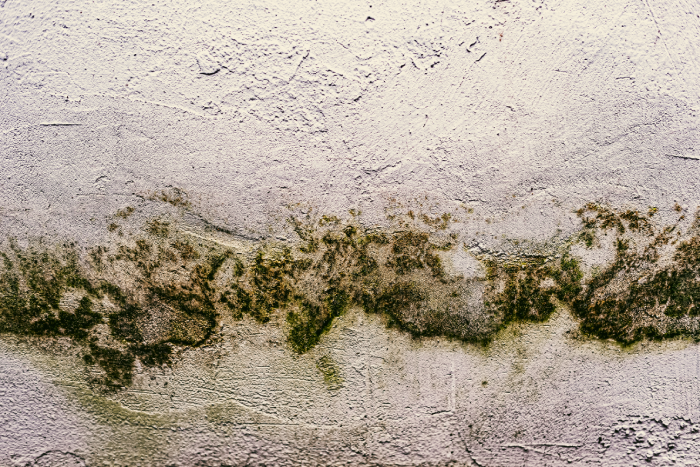
A persistent musty smell, especially when the HVAC system runs, is one of the clearest signs of mold inside your duct system. Mold thrives in the condensation that builds up in heating and cooling systems, and North Carolina's humidity makes this happen faster than in most other states. Mold inside ducts is difficult to spot visually since much of the system isn't accessible, which is why the smell is often the first real clue.
Rodent or Insect Activity
Mice, squirrels, and insects find their way into ductwork more often than most homeowners expect. Once inside, they leave droppings, nesting material, and chewed debris that gets distributed through your home every time the system runs. Signs include unusual smells, visible droppings near vents, or sounds of movement inside the ducts. An infestation often needs more than cleaning alone to resolve completely.
Rising Energy Bills
If your heating and cooling costs have climbed without any change in usage, dirty or leaky ductwork is a common culprit. Restricted airflow forces your HVAC system to work harder, increasing operating costs and reducing efficiency. Understanding the typical air duct cleaning cost in Raleigh can help homeowners weigh the expense against the long-term savings from improved system performance.
Uneven Airflow Between Rooms
A bedroom or bathroom that never seems to get the same airflow as the rest of the house often points to a duct problem. Vents that are fully open should deliver consistent airflow throughout the home. Inconsistency usually means something inside the ductwork, whether buildup or a leak, is interfering with proper distribution.
Excessive Dust That Returns Quickly
If every surface in your home collects a visible layer of dust within days of cleaning, your ducts are likely redistributing debris faster than you can clean it up. This same buildup can contribute to poor indoor air quality and may aggravate symptoms for homeowners who suffer from seasonal allergies or respiratory sensitivities.
Dust From Recent Construction or Renovation
Construction creates fine particulate matter that spreads through a home regardless of how careful contractors are about containment. If your HVAC system ran at all during a renovation, that dust has already made its way into your ductwork and will keep circulating until it's professionally removed.
Unusual Noise From Vents or Ducts
New sounds coming specifically from your ducts or vents, rather than the HVAC unit itself, are worth investigating. This can indicate loose debris, a developing leak, or in some cases pest activity inside the system.
Why These Signs Show Up Faster in North Carolina
Triangle-area homes deal with a combination of factors that accelerate duct contamination compared to drier parts of the country.
- High humidity year-round creates ideal conditions for mold growth inside ductwork, particularly where condensation collects on cooling coils
- Long pollen seasons mean more allergens entering the system through open windows, doors, and HVAC intake over a longer stretch of the year
- Crawlspace construction is common throughout Raleigh, Durham, Cary, and Chapel Hill, and ductwork running through crawlspaces is exposed to more moisture, pests, and debris than ducts in conditioned spaces
- Older homes in Durham and Chapel Hill often have aging duct systems that have gone years without cleaning, giving contamination more time to build up
If your attic also has aging or contaminated insulation, that adds another layer to the air quality issue your duct system is dealing with. Professional Attic Cleaning & Insulation Services addresses that side of the problem and pairs well with duct cleaning for households dealing with persistent dust or allergy symptoms.
What Happens If You Ignore These Signs
Dirty ducts don't fix themselves, and waiting tends to make the underlying problems worse.
The HVAC system itself also takes on more wear the longer contamination builds up. Restricted airflow means longer run times, and longer run times shorten the lifespan of your furnace and air conditioner.
Frequently Asked Questions
How often should air ducts be cleaned in North Carolina?
Most homes benefit from cleaning every three to five years. Homes with pets, allergy sufferers, recent renovations, or crawlspace ductwork often need cleaning closer to the three-year mark due to North Carolina's humidity and pollen exposure.
Can I clean my own air ducts?
Light cleaning of vent covers, filters, and visible surfaces is reasonable for most homeowners to handle. Deep cleaning of the duct system itself requires specialized equipment and training, particularly when mold, pests, or heavy contamination are involved. Professional companies use different approaches depending on the condition of the ductwork, contamination level, and accessibility of the system.
Is dust around vents always a sign my ducts are dirty?
Not always. Some dust naturally collects on return registers and doesn't necessarily reflect the condition of the air moving through the system. Puffs of dust when the HVAC first turns on, or dust that returns quickly after cleaning, are stronger indicators than light surface buildup alone.
What's the difference between dust on the filter and dust in the ducts?
A dirty filter shows your HVAC is doing its job catching airborne particles before they enter the duct system. A filter that clogs unusually fast suggests more debris is circulating than normal, which often means the ducts themselves have accumulated buildup that needs professional attention.
Do commercial properties need duct cleaning too?
Yes. Office buildings, retail spaces, and other commercial properties deal with the same contamination issues at a larger scale, often affecting more people at once. Commercial Duct Cleaning addresses these systems with scheduling that works around business operations.
Will duct cleaning get rid of a musty smell permanently?
Cleaning removes the mold and debris causing the smell, but the underlying moisture issue needs to be addressed too. If condensation or humidity problems caused the mold in the first place, those conditions need to be corrected or the smell and mold growth will return.
Not sure if what you're seeing warrants a cleaning? Get a free quote and our team will take a look and give you a straight answer.