

Mold Removal & Mold Remediation
Mold can start growing within 24 to 72 hours when moisture is present. North Carolina's humidity, crawlspaces, heavy rainfall, and older construction make mold a common problem for homeowners across the state. Common, but solvable. Our team identifies the source, contains the problem, and removes it properly so it doesn't come back. Schedule Mold Inspection:



Healthier indoor air quality
Mold and mildew prevention
10+ years of local experience
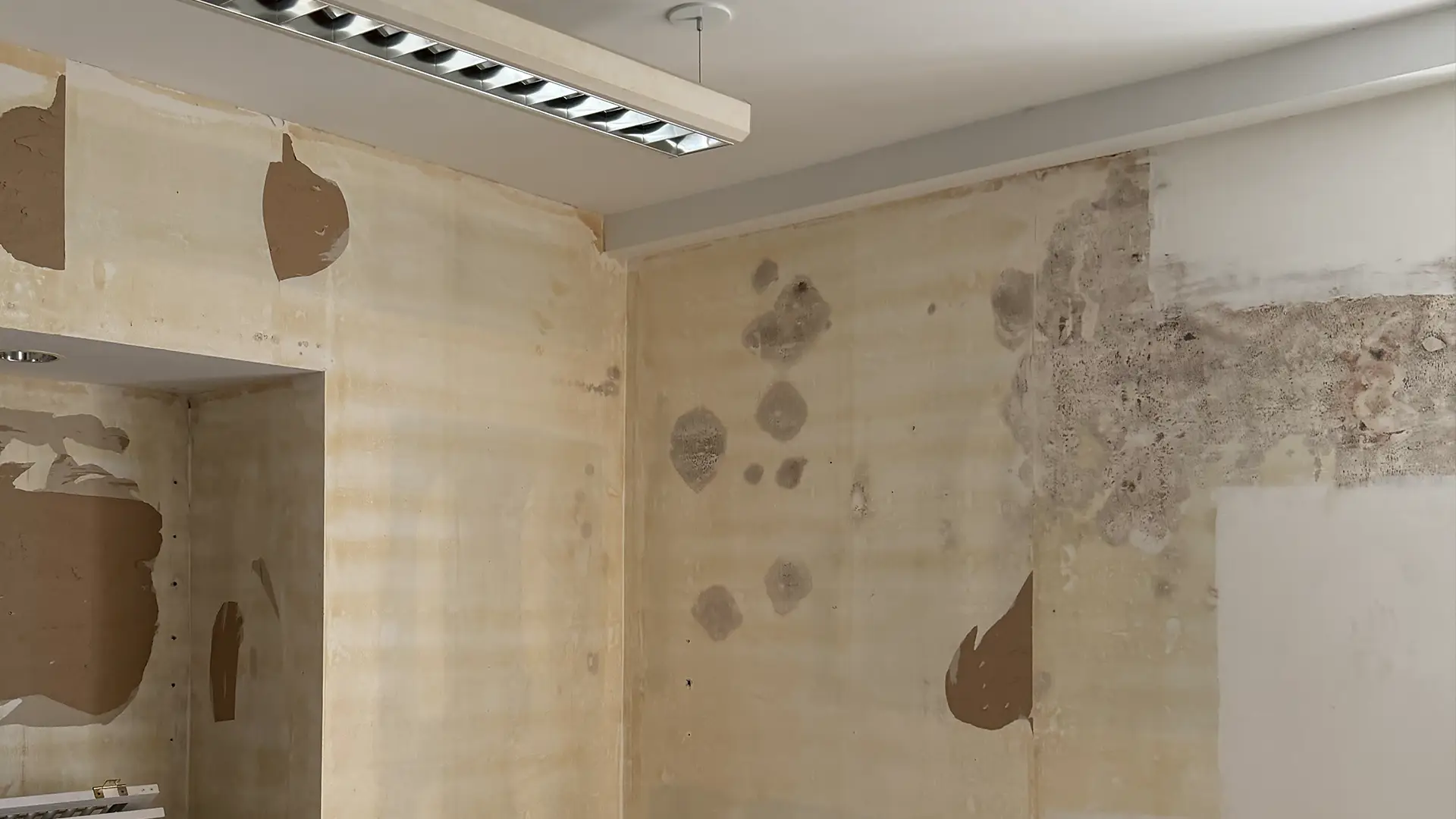
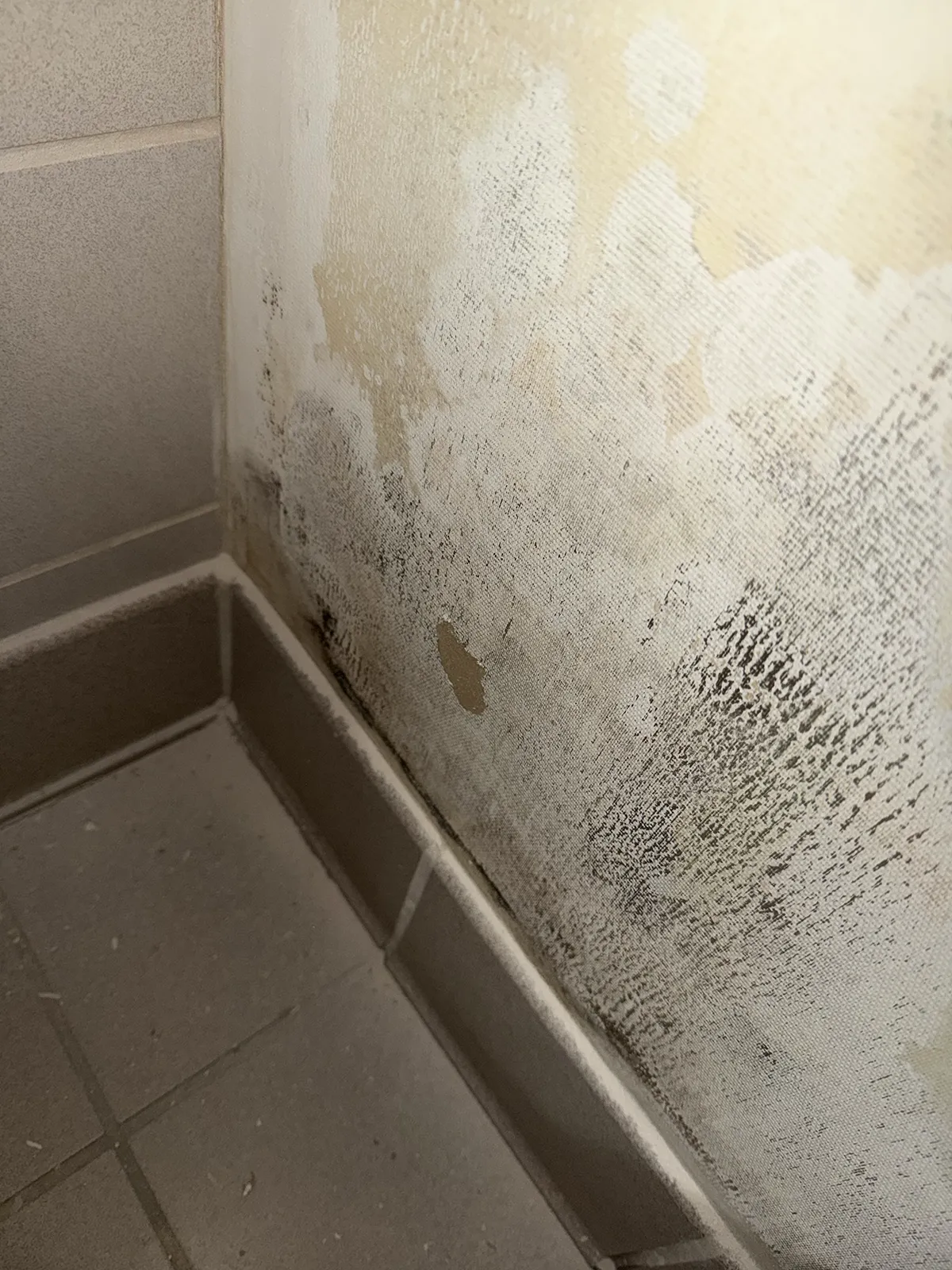
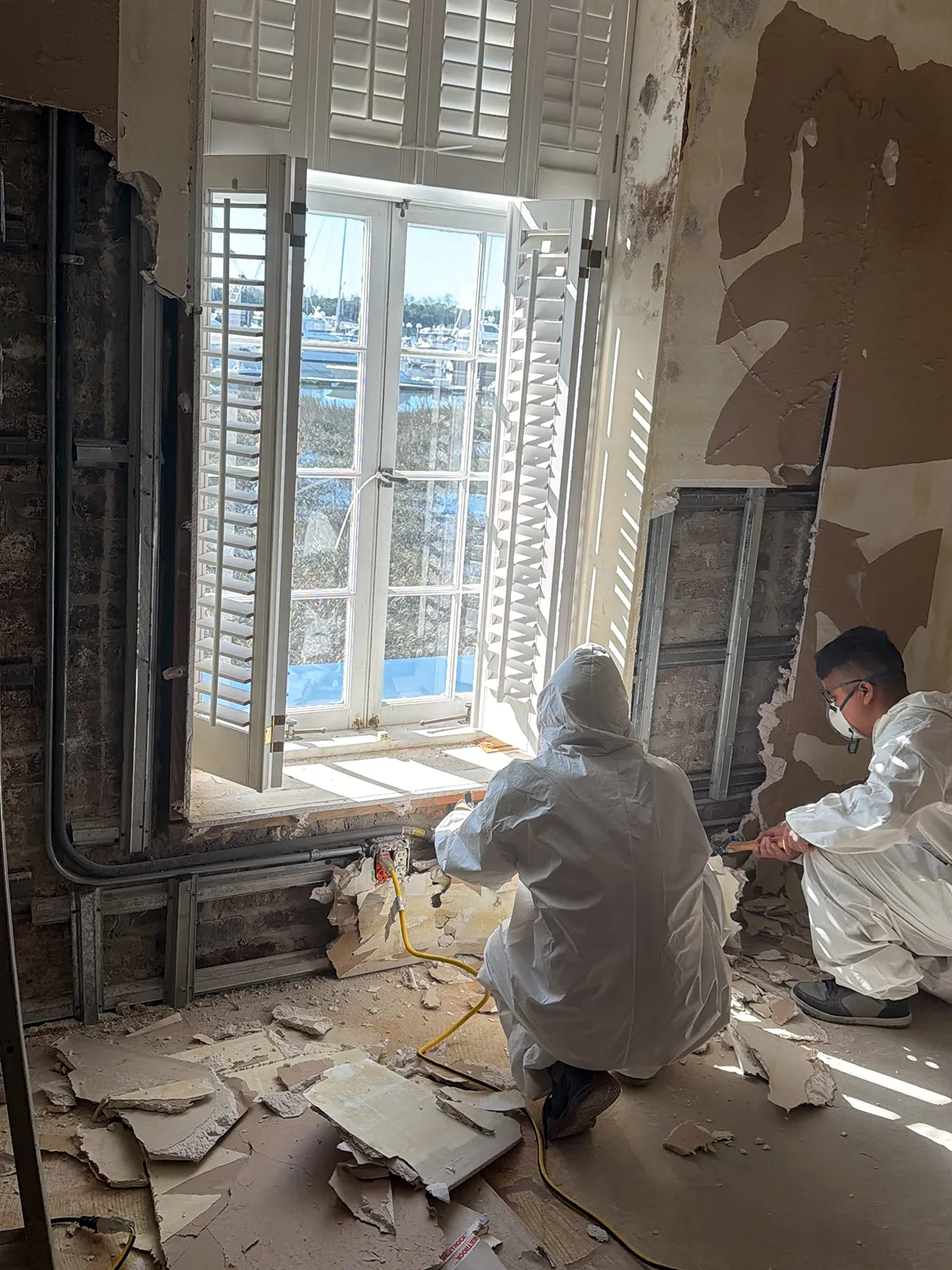
We identify visible mold, locate hidden moisture behind walls and under floors, and document affected materials before any remediation begins. You get a clear picture of the full scope before work starts.
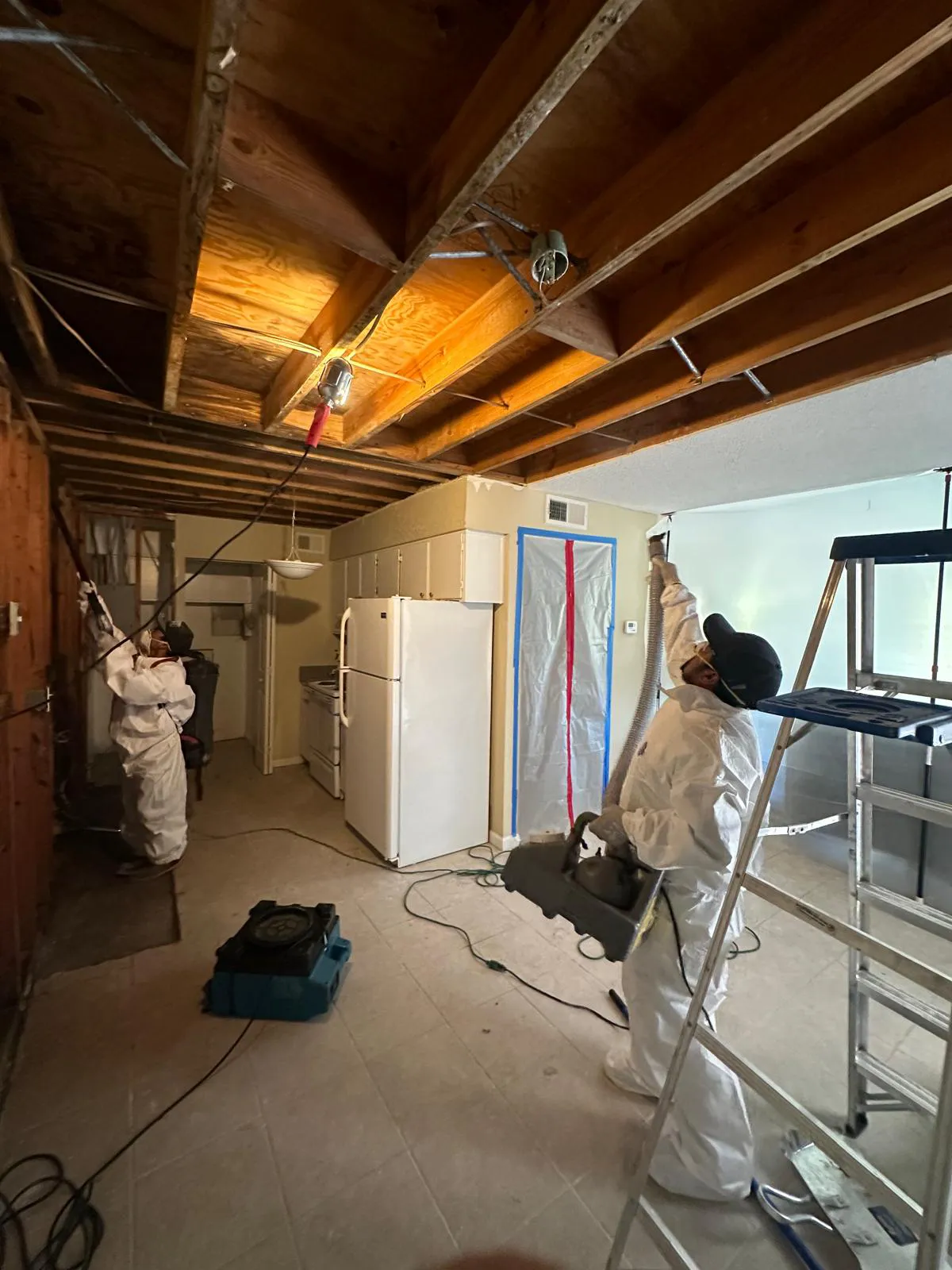
Affected areas are isolated using containment barriers and negative air pressure to prevent spores from spreading to unaffected parts of your home during the removal process.
Mold-contaminated materials are safely removed and disposed of. Non-porous surfaces are cleaned and treated using professional-grade products that address mold at the surface level.
HEPA air scrubbers pull mold spores from the air while commercial dehumidifiers bring moisture levels down to a range where mold cannot continue to grow.
We walk you through what caused the mold and what you can do to keep moisture levels in check going forward. Remediation without prevention just delays the next problem.
WHY CHOOSE US
See the difference professional AC vent cleaning and duct cleaning can make for airflow, cleanliness, and indoor air quality.
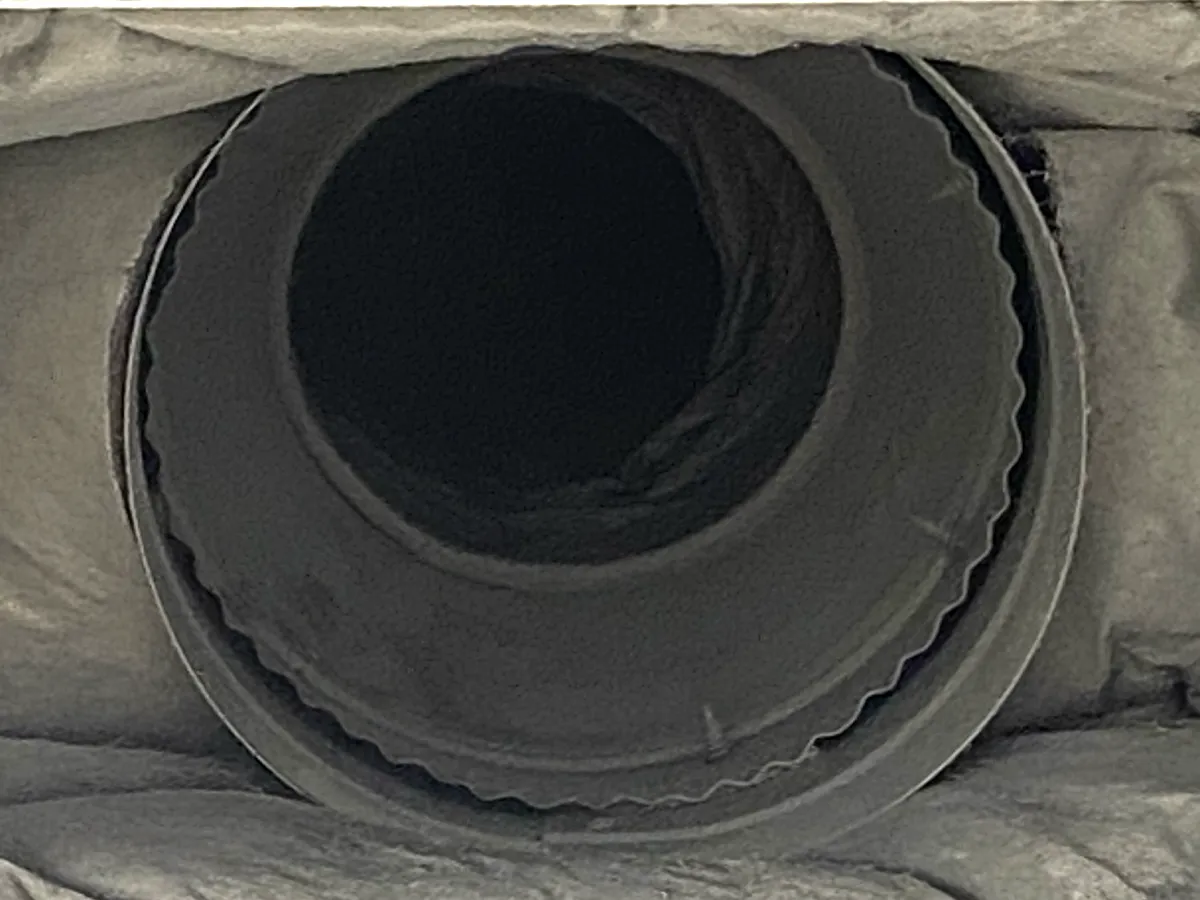
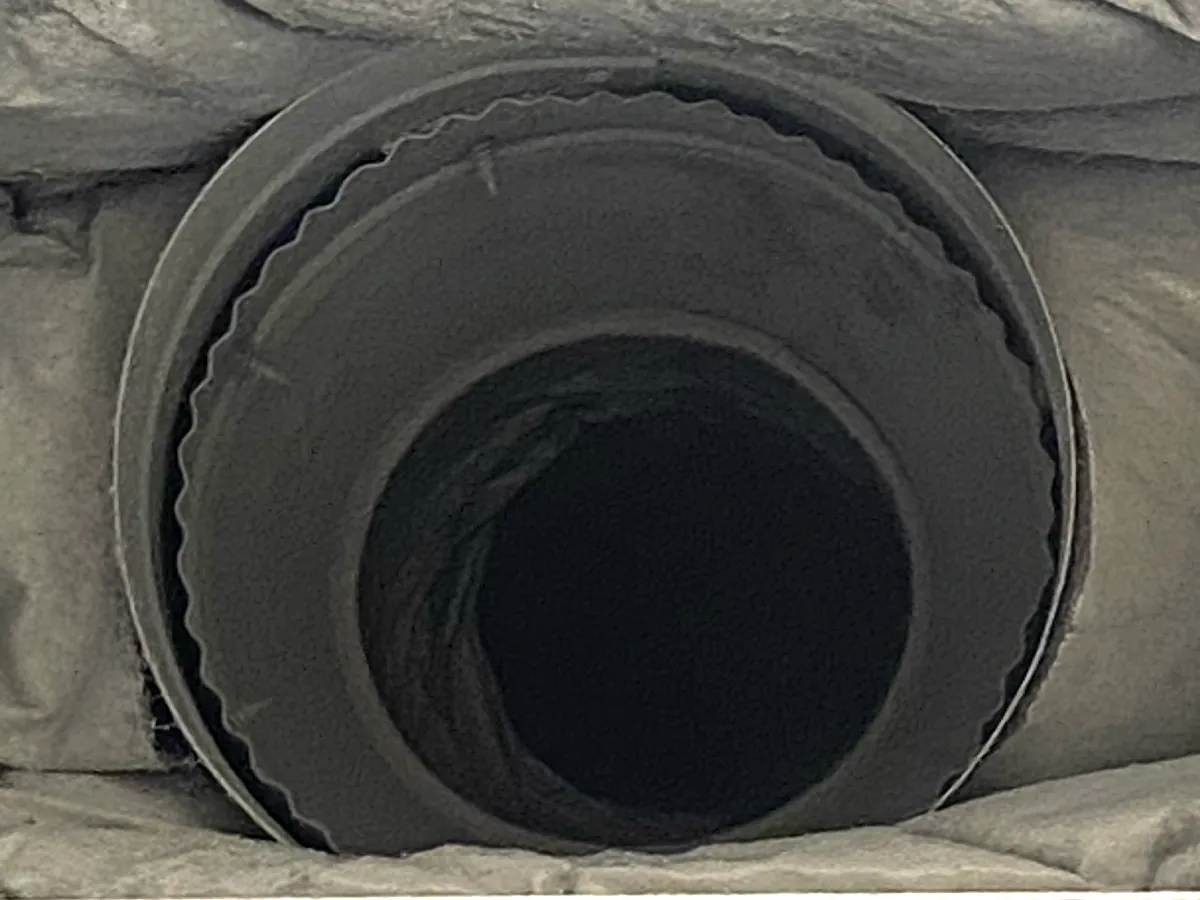
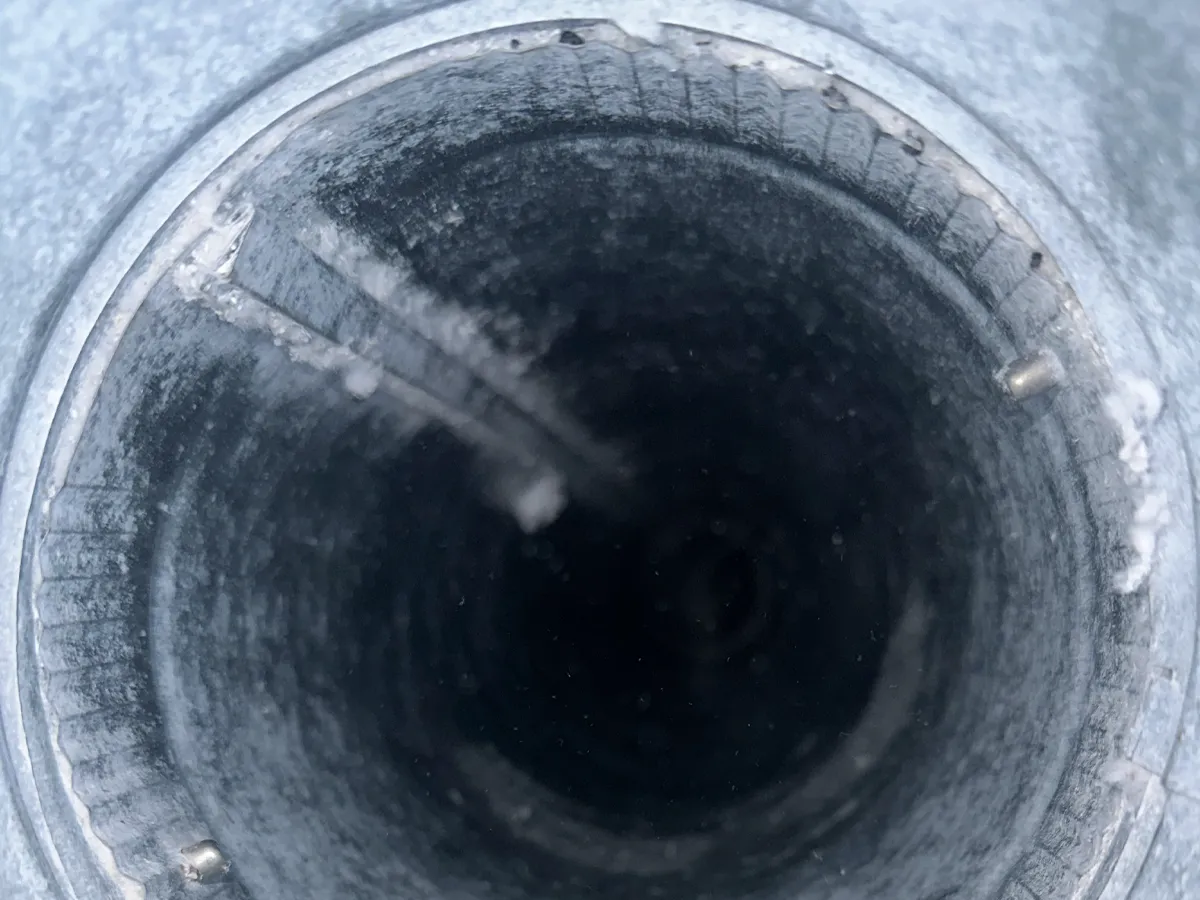
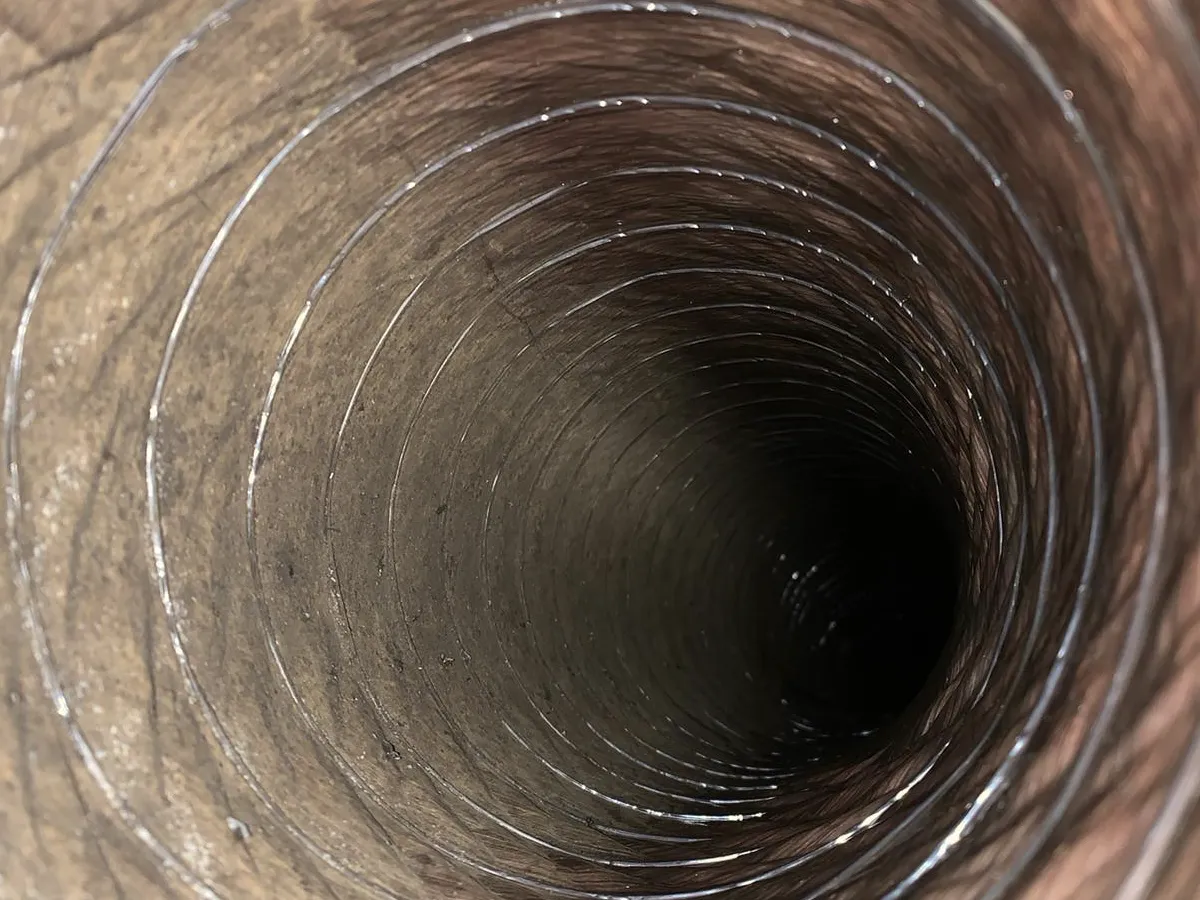
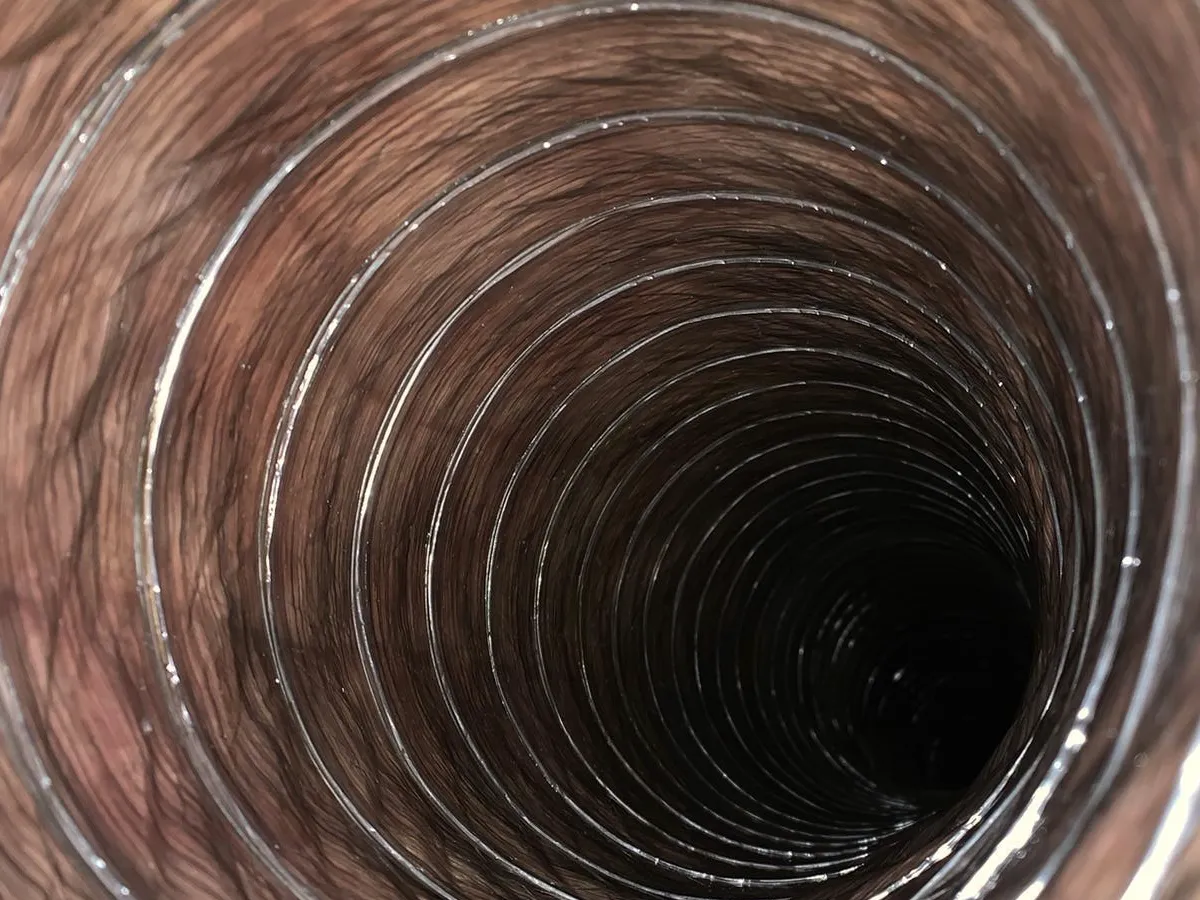
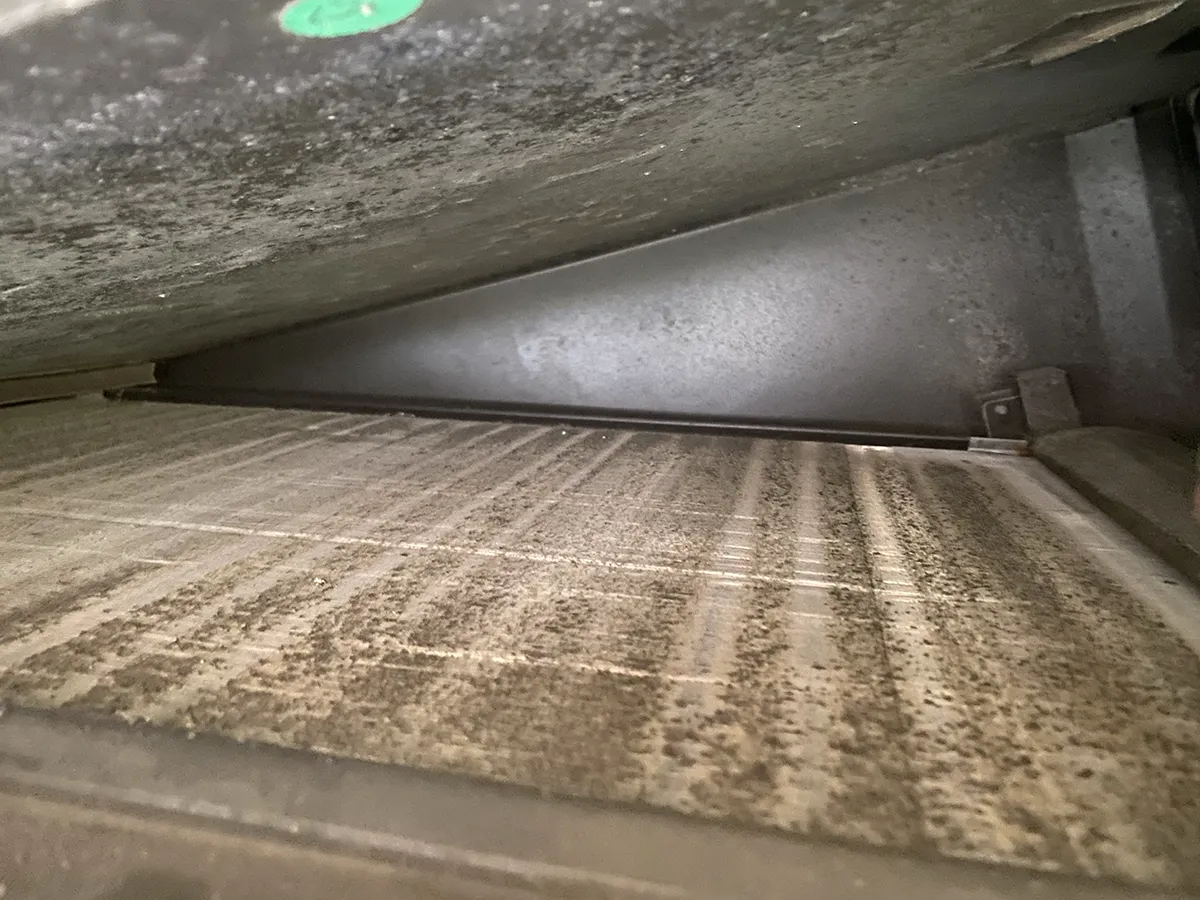
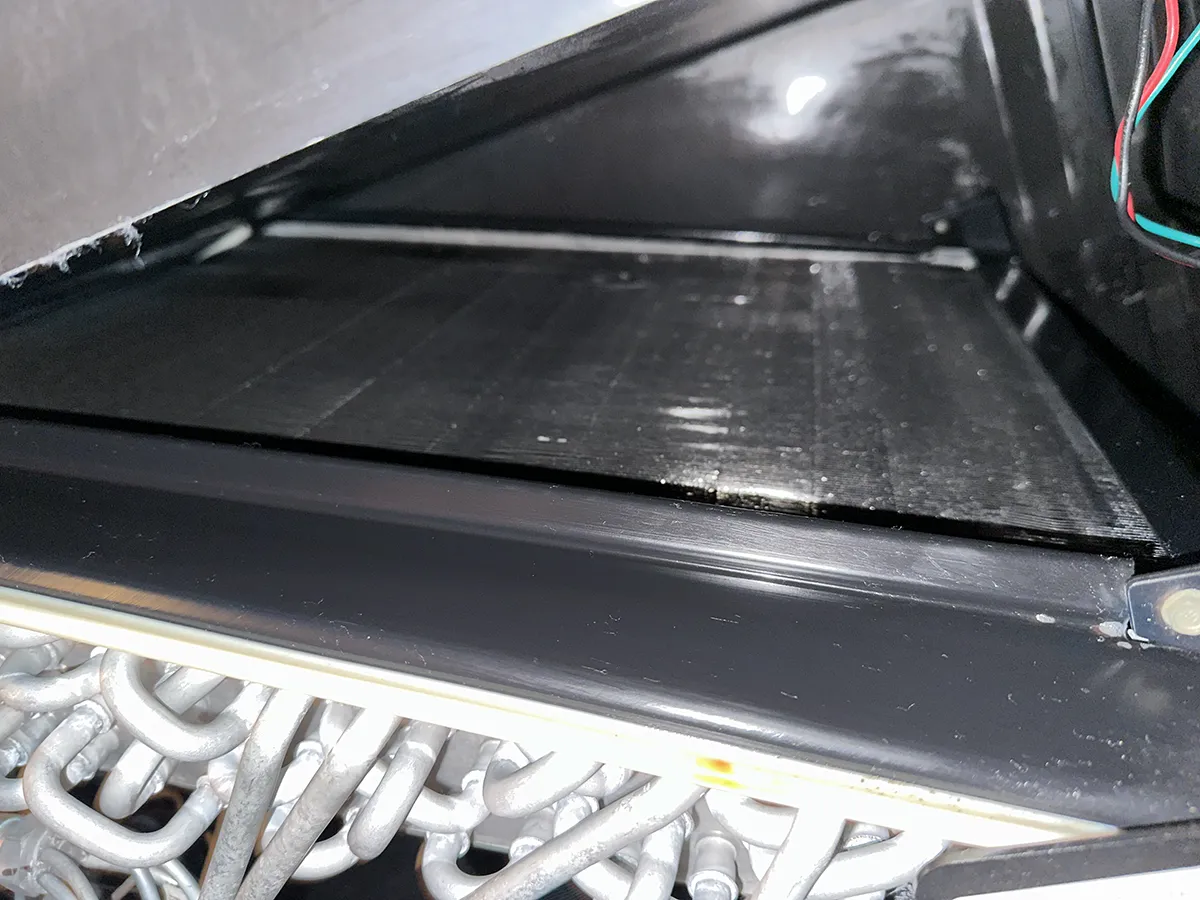
We offer a full range of professional cleaning services designed to improve indoor air quality, safety, and comfort. Our team uses advanced equipment and proven methods to deliver long-lasting results across residential and commercial properties.

You reach our actual team
Advanced containment and air filtration equipment
No scare tactics or upselling
Integrated moisture control, insulation, and air quality solutions
From the first call through the final walkthrough
Built around this specific climate
TESTIMONIALS
We offer a full range of professional cleaning services designed to improve indoor air quality, safety, and comfort. Our team uses advanced equipment and proven methods to deliver long-lasting results across residential and commercial properties.


Clogged dryer vents are one of the leading causes of household fires and poor dryer performance. Our professional dryer vent cleaning services in North Carolina remove lint buildup, restore airflow, and help keep your home safe and efficient.
Learn More

Your attic affects your home's comfort, energy costs, and the air your family breathes every day. Our attic cleaning services in North Carolina remove contaminated insulation, debris, and buildup, then restore your attic with clean, properly installed insulation built for our local climate.
Learn More
Water damage moves fast. What starts as a small leak or a flooded basement can turn into structural damage, mold growth, and costly repairs within hours, especially in North Carolina's humid climate. Our team responds around the clock to stop the damage, dry your property, and restore it to the condition it was in before any of this happened.
Learn More
A fireplace requires regular attention to stay safe. Soot, creosote, and debris build up inside your chimney over time, and that buildup is one of the leading causes of chimney fires. Before North Carolina's cooler months arrive, getting your chimney properly cleaned gives you one less thing to worry about.
Learn More

Moisture that builds up down in the crawl space works its way into your floors, your walls, and the air your family breathes every day. Crawl space encapsulation seals off that moisture at the source, giving you a drier, healthier home without the ongoing battle against humidity and mold.
Learn More

Damaged or leaky ductwork drives up energy bills and pushes unfiltered air into your home. Our duct repair and replacement services in North Carolina seal, restore, or replace deteriorated sections to keep your HVAC system efficient and your home comfortable year-round.
Learn More

Dirty ductwork can reduce airflow, increase energy costs, and spread dust, allergens, and contaminants throughout your property. Our professional air duct cleaning services in North Carolina thoroughly clean your HVAC duct system to improve air quality, restore efficiency, and help your home or business stay comfortable year-round.
Learn More
Small surface mold on non-porous surfaces can sometimes be cleaned safely. Anything larger, or mold that has spread into walls, insulation, or structural materials, warrants professional remediation. Disturbing mold without proper containment spreads spores and often makes the problem worse.
Yes. We offer mold removal services across North Carolina, including Raleigh, Charlotte, Greensboro, Durham, Wilmington, Asheville, Cary, Apex, Fayetteville, and surrounding areas.
Most mold removal projects take one to three days depending on severity and how many areas are affected. We give you a realistic timeline after the initial inspection.
Mold can begin growing within 24 to 72 hours when moisture is present. North Carolina's humidity makes that timeline even shorter in some cases, which is why fast response matters.
Yes. Mold causes respiratory irritation, allergic reactions, and long-term structural damage if left untreated. People with asthma, allergies, or compromised immune systems feel the effects sooner, but prolonged exposure affects most people over time.
Not if the moisture source is properly addressed. Mold needs moisture to grow. Our remediation process includes identifying and addressing that source, not just removing what's visible.