

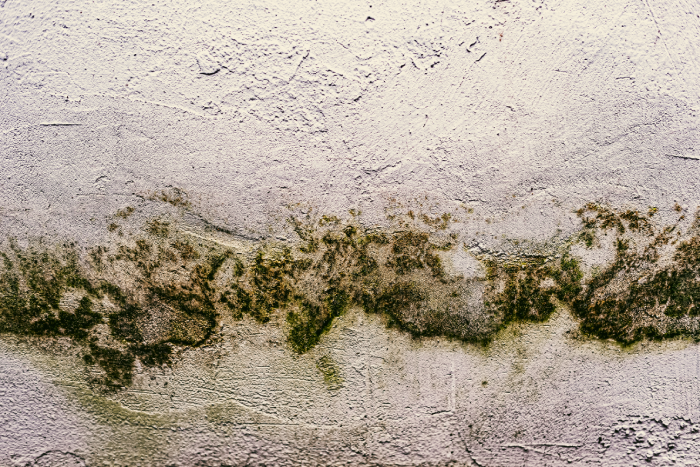
Mold in air ducts is more common in North Carolina than in most other states, and the reason comes down to one thing: humidity. When moisture gets inside a duct system and stays there, mold follows. Every time the HVAC runs after that, spores travel into every room the system serves.
Our team at air duct cleaning in Raleigh, NC finds mold-related contamination regularly across Triangle homes, and the pattern is almost always the same. The moisture source gets ignored or missed, mold grows, and the HVAC system does the rest. Here's what causes it, how to recognize it early, and what it takes to actually fix it.
What Causes Mold in Air Ducts
Mold needs three things to grow: moisture, a surface to grow on, and the right temperature. Duct systems can supply all three without much help.
High indoor humidity When relative humidity stays above 50 to 60 percent, condensation forms inside ductwork where cool conditioned air meets warmer surrounding surfaces. North Carolina's climate keeps humidity elevated for most of the year, which means this happens here faster and more persistently than in drier states.
Leaky ductwork Gaps, holes, and poorly sealed duct joints pull in humid outside air, crawlspace air, or attic air. In Triangle homes where ductwork runs through crawlspaces, that outside air is often laden with ground moisture. Once that humid air enters a sealed duct system, it has nowhere to go and condensation forms on interior surfaces.
Clogged or dirty air filters A clogged filter restricts airflow, which slows the movement of moisture through the system and allows it to linger on duct surfaces and evaporator coils. Reduced airflow also means the system runs longer, creating more opportunities for condensation to form.
Dirty evaporator coils and drain pans The evaporator coil removes humidity from the air as part of the cooling process. When coils get coated in dust and debris, moisture pools rather than draining properly. A clogged condensate drain line makes this worse by allowing standing water to accumulate near the air handler where it can wick into nearby ductwork.
Water damage or flooding Any water intrusion event, whether from a roof leak, plumbing failure, or storm flooding, that isn't fully dried creates immediate mold risk in nearby ductwork. North Carolina's storm season and heavy rainfall make this a more frequent trigger here than in drier regions.
Dust and debris inside ducts Mold needs an organic food source alongside moisture. Accumulated dust, lint, and debris inside ductwork provide exactly that. Clean ducts with controlled humidity are far less hospitable to mold than contaminated ones with the same moisture levels.
Can Mold Actually Grow Inside Air Ducts?
Yes. Ductwork provides the dark, enclosed environment mold prefers, and any moisture source that reaches duct surfaces creates the conditions mold needs. Flex duct, which is common in North Carolina homes built after the 1980s, is particularly susceptible because its plastic lining and insulation can trap moisture in ways that rigid metal ductwork doesn't.
Fiberboard ducts are even more prone to mold growth because the material itself is porous and absorbs moisture rather than shedding it. Once mold establishes itself in fiberboard ductwork, cleaning is rarely sufficient and replacement is usually the right call.
What Does Mold in Air Ducts Look Like?
Mold inside ductwork is often not visible at all from the outside. Most of the duct system runs through walls, ceilings, and crawlspaces where you can't see it without professional inspection equipment. What you can sometimes see is mold near where it exits the system.
Signs visible to the naked eye near duct openings:
- Black, green, or gray fuzzy or powdery patches around vent covers or registers
- Dark streaks or staining around the edges of vent openings
- Discoloration on the vent cover itself that doesn't wipe off easily
- White or gray powdery growth on accessible duct sections in basements or crawlspaces
One important note: not everything that looks like mold is mold, and not everything that is mold looks the same. A substance that appears to be mold near a vent can only be definitively confirmed through laboratory testing or professional inspection. If you're seeing dark growth near vents, treat it as mold until a professional tells you otherwise.
Early Signs of Mold in Air Ducts
The earliest signs often show up before any visible growth appears.
The musty smell on startup is the most reliable early indicator. If you notice it consistently when the system first kicks on, don't wait for visible growth before acting.
Is Mold in Air Ducts Dangerous?
Yes, when contamination is significant. Mold spores that circulate through your HVAC system reach every room in the home with every cycle. Exposure to airborne mold spores can cause:
- Respiratory irritation, coughing, and wheezing
- Sneezing, runny nose, and itchy eyes
- Worsening asthma and allergy symptoms
- Skin irritation in sensitive individuals
- Fatigue and headaches with prolonged exposure
Children, elderly residents, and anyone with asthma, allergies, or a compromised immune system are more vulnerable to these effects and typically show symptoms sooner than healthy adults in the same home.
The EPA notes that mold exposure can trigger respiratory issues and aggravate existing conditions like asthma. The longer contamination goes unaddressed inside a duct system, the more extensively it spreads and the more people in the home are affected.
What to Do If You Find Mold in Your Ducts
Don't attempt to clean it yourself
Disturbing mold inside ductwork without proper containment spreads spores through the system rather than removing them. DIY vent cover cleaning addresses only what's visible at the surface, leaving contamination inside the duct where the real problem is.
Get a professional inspection first
A professional inspection with camera equipment shows what's actually inside the duct system before any work begins. Certified inspectors use moisture meters, infrared cameras, and air sampling to map the full scope of contamination rather than guessing from surface indicators.
Address mold remediation and the moisture source together
Removing mold without fixing the moisture source that caused it means mold returns. Duct cleaning that treats the contamination without identifying and correcting the underlying cause, whether that's a leaky duct, a clogged drain line, or a crawlspace moisture problem, is a temporary fix at best.
Our professional mold removal in North Carolina service addresses the full scope of contamination, not just the visible surface, and works alongside duct cleaning when both are needed.
What professional mold remediation in ductwork involves
A proper remediation process covers:
- Containing the affected area to prevent spore spread during cleaning
- Using negative air pressure equipment and HEPA filtration to capture spores during removal
- Physically removing mold-contaminated materials where necessary
- Cleaning and treating duct surfaces with appropriate antimicrobial solutions
- Addressing the moisture source to prevent recurrence
- Final air quality testing to confirm spore levels are within acceptable range
How to Prevent Mold from Growing in Your Ducts
Prevention is more straightforward than remediation and significantly less expensive.
Control indoor humidity Keep relative humidity between 30 and 50 percent year-round. In North Carolina this often requires active management, particularly through summer. A whole-home dehumidifier is worth considering for homes that consistently run above 50 percent humidity.
Change your air filter regularly Every 30 to 60 days for most Triangle homes. A clean filter maintains proper airflow, which keeps moisture moving through the system rather than sitting on duct surfaces.
Keep the condensate drain line clear Flush the drain line seasonally with a mild solution to prevent algae and debris buildup. A technician should inspect the drain pan and line during each annual HVAC service visit.
Seal leaky ductwork Gaps and unsealed joints that allow humid outside air into the system are one of the most common and preventable mold triggers in North Carolina homes. If your crawl space has moisture issues, addressing that directly removes one of the primary contamination sources for crawlspace ductwork.
Schedule professional duct cleaning on the right interval Most Raleigh area homes benefit from professional cleaning every three to five years. Homes with any history of moisture issues, mold, or water damage warrant inspection more frequently. How often should air ducts be cleaned covers the right interval based on your household conditions.
Schedule annual HVAC maintenance A yearly professional inspection catches developing moisture problems, dirty coils, and drain line issues before they create the conditions mold needs.
Frequently Asked Questions
Can mold grow in air ducts?
Yes. Ductwork provides the dark, enclosed environment mold prefers, and any moisture source that reaches duct surfaces creates conditions for growth. North Carolina's humidity makes this a more common problem here than in drier climates.
What does mold in air ducts look like?
Near vent openings, mold often appears as black, green, or gray fuzzy or powdery patches, dark streaks around vent edges, or discoloration on vent covers. Inside the ductwork itself, it's usually not visible without camera inspection equipment.
How do I know if I have mold in my ducts without being able to see inside?
The most reliable early indicator is a musty or earthy smell that appears when the HVAC system first turns on. Allergy or respiratory symptoms that are consistently worse at home than away, and condensation on windows or walls, are supporting signs worth taking seriously.
Is mold on air vents dangerous?
Mold near or on air vents indicates mold is likely inside the system and circulating spores through your home with every HVAC cycle. This poses real health risks, particularly for children, elderly residents, and anyone with asthma, allergies, or respiratory conditions.
Can I clean mold from my air vents myself?
You can clean surface mold from vent covers using appropriate cleaning solutions and protective gear. This only addresses what's visible at the surface. Mold inside the ductwork requires professional remediation with proper containment and extraction equipment.
What causes black mold in air vents specifically?
Black mold, like other mold types, grows from moisture combined with an organic food source. Inside ductwork, accumulated dust provides that food source and any persistent moisture from condensation, leaks, or humidity creates the conditions for black mold to establish itself.
How much does mold remediation in air ducts cost in NC?
Mold remediation in ductwork runs between $900 and $3,500 for most North Carolina homes depending on the extent of contamination, how many sections of ductwork are affected, and whether related services like crawlspace treatment are needed. Air duct cleaning cost in North Carolina covers the cost context for duct cleaning alongside mold treatment.
Suspect mold in your duct system? Get a free quote and our team will inspect your system and give you a straight answer on what's there and what it takes to fix it.