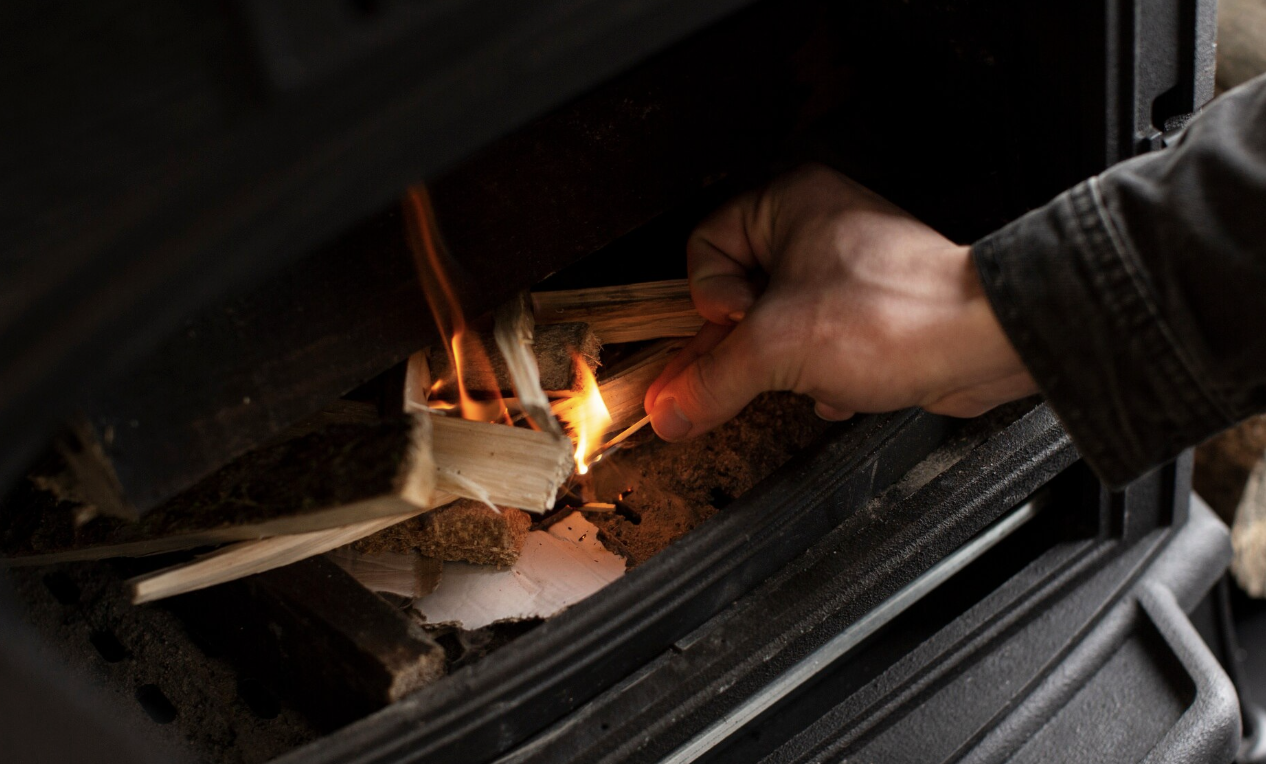


A fireplace that smells bad usually comes down to one of five things: creosote buildup, negative air pressure pulling air down the flue, trapped moisture, animals or nesting debris, or a gas fireplace issue. The specific smell is actually a clue. A smoky, tar-like odor points one direction. A musty or rotten smell points somewhere else entirely.
Our air duct cleaning team in Raleigh gets this question a lot, usually from someone who noticed the smell drifting into the living room and isn't sure if it's dangerous or just annoying. Here's how to read the smell and what's actually causing it.
What Each Smell Usually Means
1. Creosote and Soot Buildup
Every time you burn wood, a sticky, flammable residue called creosote builds up on the inside of the flue. It's the single most common reason a fireplace smells bad, and it's also a real fire hazard, not just an odor problem.
The smell gets noticeably worse in hot, humid weather. Warm, damp outdoor air moves into the chimney, reacts with the creosote coating the flue walls, and carries that smoky, tar-like odor back down into the room. A chimney that hasn't been used in months can still smell this way for exactly that reason.
2. Negative Air Pressure Pulling Air Down the Flue
Modern homes are sealed tighter than older ones, and that creates a problem a fireplace wasn't designed around. When a kitchen exhaust fan, bathroom fan, clothes dryer, or HVAC system runs, it can pull air out of the house faster than air is coming in. The house ends up at negative pressure, and it pulls replacement air from wherever it can, including down the chimney.
That downdraft carries whatever odor is sitting in the flue straight into your living room. This isn't necessarily a sign anything's wrong with the fireplace itself. It's an airflow balance issue, and it often shows up right after weatherizing a home, adding a new exhaust fan, or replacing windows.
3. Trapped Moisture in the Chimney
A chimney without a proper cap lets rainwater straight into the flue. Water mixing with soot, ash, and creosote produces a stagnant, musty smell that's hard to mistake for anything else. Left unaddressed, that moisture can also rust the damper and damage the flue lining over time, turning a smell problem into a repair problem.
4. Animals, Nesting Material, or Decaying Debris
Birds, squirrels, and raccoons look for warm, sheltered spots, and an open or damaged chimney looks like exactly that. Nesting material trapped inside creates an earthy, unpleasant smell on its own. If an animal gets in and can't climb back out, the smell turns rotten and sweet as it decomposes. That's not something to investigate yourself. Reaching into a flue to check on or remove an animal risks a bite or exposure to disease, and it's a job for a trained technician.
5. Leaves and Organic Debris
An uncapped chimney collects more than rain. Leaves, twigs, and other debris fall in and sit there, and as they break down they produce a sour, rotting smell similar to compost. It's a smaller problem than a trapped animal, but the fix is the same one: a properly fitted chimney cap keeps debris out in the first place.
6. A Gas Fireplace Breaking In for the Season
Gas fireplaces often smell like dust, chemicals, or burning paint the first few times you use them each season. That's dust settling on burners and internal components, or factory coatings curing as the unit heats up for the first time. This smell should fade after a cycle or two.
If the smell sticks around, gets stronger, or comes with visible soot or an odd flame, stop using the unit and have it checked. Don't keep running it to see if the smell clears on its own.
When the Smell Means Something Dangerous
A rotten egg or sulfur smell is not a chimney maintenance issue. It's the sign of a gas leak. Leave the house immediately, avoid flipping light switches or using anything electronic on your way out, and call your gas utility or 911 from outside. This is the one smell on this list that calls for leaving first and asking questions later.
How to Get Rid of the Smell
A few fixes handle most of the causes above:
- Schedule an annual chimney sweep to remove creosote and soot before it builds up enough to smell or catch fire
- Install a chimney cap with an animal guard to block rain, leaves, and wildlife at the source
- Keep the damper fully closed when the fireplace isn't in use, which cuts down on downdraft odors
- Crack a window near the fireplace if negative pressure seems to be pulling air down the flue
When It's Time to Call a Professional
A persistent smell that doesn't clear up after basic cleaning, a smell combined with visible soot or smoke entering the room, or any sign of an animal in the chimney all call for a professional inspection rather than guesswork. If the odor is showing up through your vents rather than the fireplace itself, that's a different issue worth ruling out. We've covered what a musty smell coming from vents usually means, since the two can be easy to confuse. Many homeowners pair a chimney inspection with a dryer vent cleaning while a crew is already on site.
Schedule an Inspection in Raleigh, NC
If you can't pin down where the smell is coming from, we can. Call (919) 579-0737 or contact us to get it checked out before your next fire.