
A musty smell from your vents almost always points to one thing: moisture where it shouldn't be. The smell itself is the byproduct of mold, mildew, or bacteria growing somewhere inside your HVAC system. Pinpointing exactly where that moisture is coming from determines what needs to be done about it.
If you've noticed the smell getting stronger when the system first kicks on, or if it's lingering throughout the day, your air duct cleaning in Raleigh, NC team at Summit sees this regularly across Triangle homes, and it's almost never something that resolves on its own. Here's what's likely causing it and what to do next.
6 Reasons Your Vents Smell Musty
1. Mold or Mildew Growing Inside the System
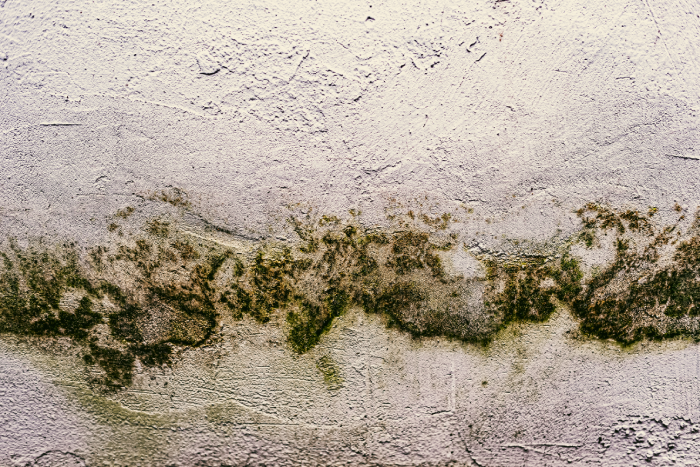
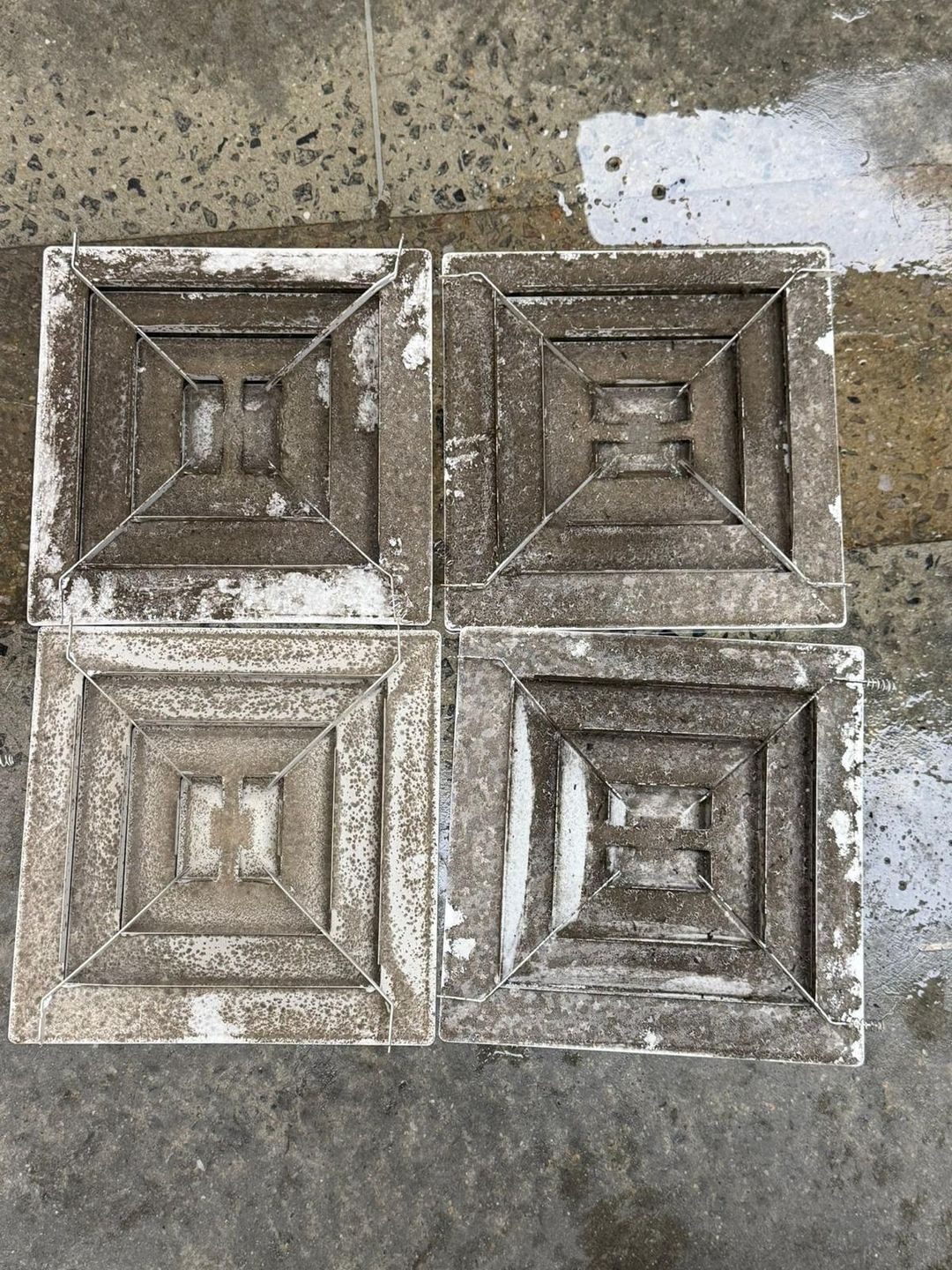
This is the most common cause and the one worth taking most seriously. Mold grows anywhere moisture and darkness combine, and your HVAC system has both. The most common spots are the evaporator coil, drain pan, and ductwork surfaces where condensation collects.
The smell tends to be strongest when the system first turns on because stagnant air inside the ducts carries concentrated mold spores into the room. If it fades after a few minutes but returns every time the system starts, mold inside the ductwork is a strong suspect.
Don't ignore this one. Mold spores circulating through your home affect air quality and can worsen respiratory issues, particularly for children, elderly residents, or anyone with allergies or asthma. If you suspect mold has spread beyond the ductwork itself, professional mold removal addresses the full scope of the problem rather than just cleaning the visible surfaces.
2. A Dirty or Wet Air Filter
A clogged filter stops doing its job and starts becoming part of the problem. When filters get saturated with dust and moisture, they become a breeding ground for mildew that gets pushed into your airstream every time the system runs.
Pull the filter out and check it. If it's visibly dirty, grey, or has any damp sections, replace it immediately. A wet filter is a red flag that points to a moisture issue deeper in the system that needs further investigation.
3. Dirty Evaporator Coils
Your evaporator coil removes humidity from the air as it cools your home. Over time, dust and debris coat the coil surface and combine with that constant moisture to create ideal conditions for mold and bacterial growth.
Dirty coils spread contamination through the entire airflow system, which is why the smell follows you from room to room rather than staying localized near one vent. Coil cleaning requires a professional since the components are delicate and the cleaning solutions need to be applied correctly.
4. A Clogged Condensate Drain Line
Your HVAC system pulls moisture out of the air and routes it outside through a condensate drain line. When that line gets clogged with algae, debris, or dirt, water backs up into the drain pan and eventually into surrounding components.
Standing water that has nowhere to go creates a mold environment fast, and the smell travels through the ductwork quickly. Signs of a clogged drain line include water pooling near your indoor unit, gurgling sounds from the drain, and noticeably higher indoor humidity levels.
Turn the system off if you see standing water and call a technician. Running the system while water is backing up spreads contamination further into the duct system.
5. Leaky Ductwork Pulling In Outside Air
Gaps, holes, and poorly sealed joints in your ductwork pull air in from wherever the ducts run. In North Carolina homes, that often means crawlspaces and attics, two environments that carry high moisture, mold spores, and musty air that gets injected directly into your living space every time the system runs.
This is one of the reasons a musty smell sometimes appears even in homes with relatively clean ducts. The source isn't inside the duct walls themselves but in the air being pulled through leaks from unconditioned spaces. If your crawl space has moisture issues, sealing it properly stops that contaminated air from reaching your ductwork in the first place.
6. Pests in the Ductwork
Less common but immediately obvious once you identify it. Rodents, birds, and insects that find their way into ductwork leave behind droppings, nesting materials, and in some cases deceased animals. The smell is distinct and tends to get worse over time rather than staying consistent.
Signs include scratching or scurrying sounds near vents, visible droppings around registers, and a smell that's more foul than earthy. This one always needs professional handling since disturbing pest debris without containment spreads contamination through the system.
Why This Happens Faster in North Carolina
The Triangle's climate creates conditions that accelerate every one of these causes. North Carolina's humidity stays elevated for most of the year, which means condensation forms more readily inside HVAC systems, drain pans fill faster, and mold growth happens on a shorter timeline than in drier climates.
The long cooling season across Raleigh, Durham, Cary, and Chapel Hill means your air conditioner runs for months on end, giving moisture more time to accumulate on coils, in drain pans, and inside ductwork. Homes with crawlspace construction, which is common throughout the Triangle, face an added layer of moisture exposure from below that leaky ducts pull directly into the system.
If your home has had any of the signs your ducts need cleaning alongside the musty smell, the combination of factors points strongly toward professional attention rather than a wait-and-see approach.
Step-by-Step: What to Check First
Before calling anyone, work through this checklist. Some causes have simple fixes you can handle yourself.
If steps one through three don't resolve the smell within a day or two of fixing what you find, the issue is deeper in the system and needs professional assessment.
When to Call a Professional
Some situations don't have a DIY solution. Call a professional if:
- The smell persists after replacing the filter and checking the drain pan
- You see visible mold anywhere near the system or registers
- There's standing water near the indoor unit
- Family members are developing new respiratory symptoms or worsening allergies indoors
- The smell is getting stronger rather than staying consistent
A musty smell that gets worse over time almost always means the underlying moisture source is still active. Masking it with air fresheners or waiting it out lets mold spread further into the system and makes the eventual cleaning more involved.
If you're weighing whether professional cleaning makes sense for your situation, is air duct cleaning worth it walks through exactly when it delivers real value and when it's unlikely to make a meaningful difference. For a sense of what the service costs in the Triangle, air duct cleaning cost in North Carolina covers pricing by home size and contamination level.
How to Prevent It From Coming Back
Addressing the smell once doesn't guarantee it stays gone. The underlying moisture conditions that caused it in the first place will recreate the problem if they're not managed.
Monthly habits that help:
- Replace air filters every 30 to 60 days, more often with pets or during heavy AC season
- Check the drain pan briefly when you change the filter
- Monitor indoor humidity and run a dehumidifier if levels stay above 50%
Annual professional service:
- Evaporator coil cleaning
- Drain line inspection and flushing
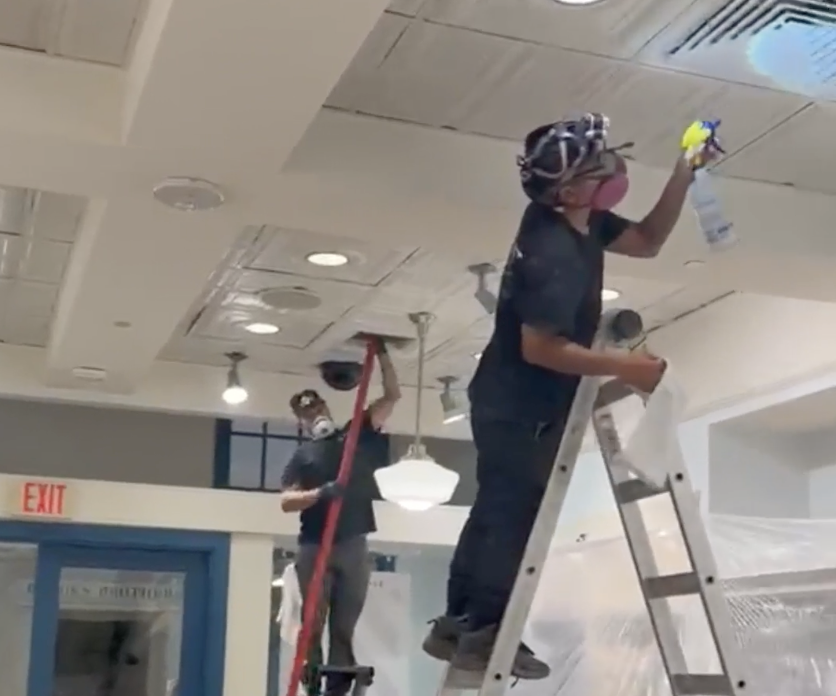
- Full duct system inspection for mold, leaks, and debris
How often you should be scheduling that professional service depends on your home's specific conditions. How often should air ducts be cleaned breaks down the right interval based on pets, allergies, home age, and NC's climate.
If musty odors have been affecting your indoor air quality, can dirty air ducts cause allergies covers how duct contamination connects to allergy and respiratory symptoms and what level of contamination actually warrants action.
Frequently Asked Questions
Why does the musty smell only happen when the AC first turns on?
Stagnant air inside the duct system carries concentrated mold spores and odors that get pushed into the room when airflow starts. The smell fading after a few minutes doesn't mean the problem is minor. It means the initial burst of contaminated air has dispersed, but the source is still there.
Can a dirty air filter cause a musty smell?
Yes. A saturated or clogged filter becomes a surface where mildew grows, and that mildew smell travels with the airflow into every room. Replacing the filter is always the first step when investigating a musty odor.
Is a musty smell from vents dangerous?
It depends on the source. Mold and bacteria circulating through your home affect indoor air quality and can worsen respiratory conditions, trigger allergy symptoms, and cause prolonged exposure issues for sensitive household members. It's not a smell to mask and ignore.
How do I know if mold is in my ductwork or just near it?
Mold near vent covers and registers is a sign mold is likely inside the system too, since spores travel with airflow. A professional inspection with camera equipment can confirm what's actually inside the ductwork rather than relying on guesswork.
Why does my home smell musty even though I just had the ducts cleaned?
If the underlying moisture source wasn't addressed alongside the cleaning, mold will return. A clogged drain line, leaky ductwork pulling in crawlspace air, or persistently high indoor humidity all recreate the conditions that caused the problem in the first place.
Does a whole-house dehumidifier help with musty smells?
Yes, particularly in North Carolina where humidity stays high for much of the year. Keeping indoor humidity between 30% and 50% removes the moisture that mold and mildew need to grow, which addresses the underlying condition rather than just treating symptoms.
How much does it cost to fix a musty smell coming from vents?
It depends entirely on the cause. Replacing a filter costs a few dollars. Professional duct cleaning for a mid-size Triangle home runs $450 to $700. Mold remediation, drain line repairs, or duct sealing add to that depending on what the inspection finds.
Not sure what's causing the smell in your home? Get a free quote and our team will inspect your system and give you a straight answer on what's going on and what it takes to fix it.