

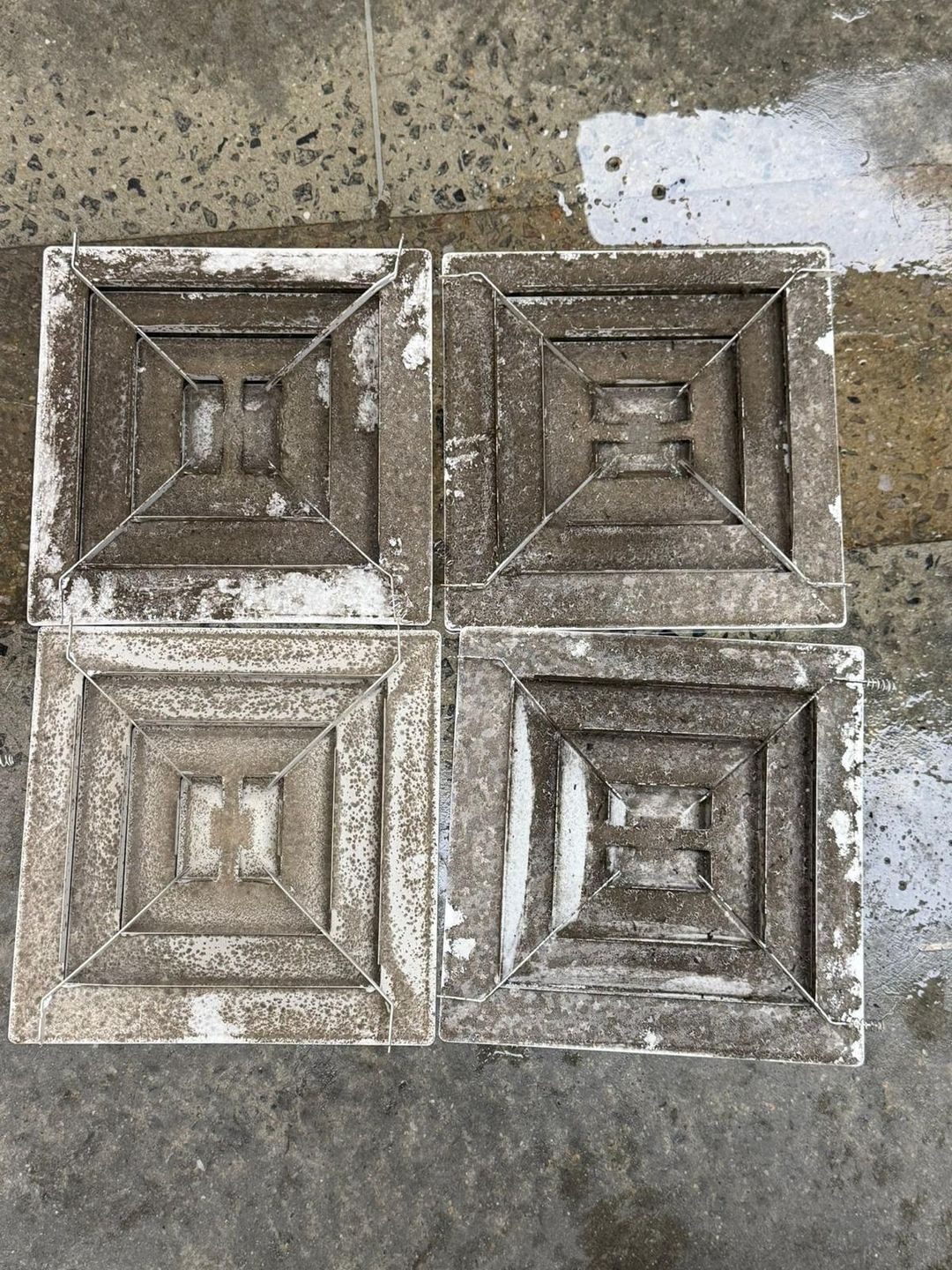
Dust settling on surfaces shortly after cleaning is one thing. Dust visibly coming out of your vents when the HVAC kicks on is another. The second one isn't normal, and it doesn't fix itself.
The good news is that the cause is usually one of a few things, and most of them have a straightforward fix. Our team at air duct cleaning in Raleigh, NC sees this across Triangle homes regularly, and pinpointing the source is the right first step before doing anything else.
Why Dust Comes Out of Vents
A clogged or neglected air filter
This is the most common cause and the first thing worth checking. Your air filter is designed to catch dust and particles before they circulate through the system. When it gets clogged, it stops doing that job. Dust that would have been captured instead passes through and settles inside the ductwork, then gets pushed back out through the vents every time the system runs.
Pull your filter out and look at it. If it's visibly grey, matted, or you can't see light through it, replace it immediately. For most Raleigh homes, filters should be changed every 30 to 60 days. Households with pets or allergy sufferers often need monthly changes, particularly through North Carolina's long pollen season.
Leaky ductwork pulling in outside air
If your filter is reasonably clean but dust keeps coming back, leaky ducts are a strong suspect. Gaps, holes, and unsealed joints in your ductwork pull in air from wherever the ducts run, and in North Carolina homes that often means crawlspaces and attics.
Both of those environments carry significant amounts of dust, debris, and particulate matter that gets pulled directly into your air supply with every cycle. The crawl space underneath your home in particular tends to hold ground-level dust, insulation particles, and humidity that accelerates buildup inside the duct system.
Dusty or contaminated ductwork
Ducts that haven't been professionally cleaned in years accumulate layers of dust on interior surfaces. That buildup doesn't just sit there. Every time your HVAC runs, it dislodges particles and sends them into the rooms your system serves.
This is different from a filter problem. A new filter helps prevent new dust from entering the system but doesn't remove what's already sitting inside the ducts. If the problem persists after a filter change, the ductwork itself likely needs attention.
Dust on vent covers and grilles
Sometimes what looks like dust coming out of vents is actually dust sitting on the grille that gets disturbed when airflow starts. This is a simpler problem. Remove the vent cover, clean it thoroughly with warm soapy water, let it dry completely, and reinstall it. If the problem returns within days, the source is inside the system rather than on the surface.
Mold or moisture-related debris
In North Carolina's humid climate, moisture inside duct systems creates conditions where organic buildup develops faster than dry dust alone. What comes out of vents in these cases often has a musty smell alongside the visible particles. If that's what you're noticing, the issue goes beyond a standard dusty duct situation and warrants a professional inspection.
How to Check Your Vents Yourself
Before calling anyone, work through this short checklist.
If steps one and three resolve the visible dust, you're dealing with a maintenance issue rather than a system problem. If the dust returns within a few days of a fresh filter and clean vent covers, the source is inside the ductwork.
What Causes Dust Buildup to Happen Faster in Raleigh
The Triangle's climate creates conditions that push dust accumulation faster than in drier parts of the country.
North Carolina's long pollen season, starting as early as February in Raleigh, introduces allergens into homes over a longer stretch of the year than most other regions. That pollen enters through doors, windows, and HVAC intake, eventually settling inside ductwork.
High humidity throughout the year means dust inside duct systems combines with moisture to form a denser, stickier buildup that adheres to duct walls more stubbornly than dry dust alone. When that buildup eventually gets dislodged, it tends to come out in more visible amounts.
Crawlspace construction, which is common throughout Raleigh, Durham, Cary, and Chapel Hill, adds another exposure layer. Ductwork running through crawlspaces sits in a dustier, more contaminated environment than ducts in conditioned spaces, and any leak in those sections pulls that environment directly into your air supply.
How to Prevent Dust Buildup in Vents
Staying ahead of the problem is easier than addressing it after visible dust starts appearing.
- Change your filter on schedule. Every 30 to 60 days for most Raleigh homes. Monthly during heavy pollen season or if you have pets that shed.
- Vacuum around vent covers regularly. Surface buildup on grilles gets pulled into the system and redistributes if left to accumulate.
- Keep indoor humidity below 50%. High humidity causes dust to clump and stick inside ducts faster, and North Carolina's climate makes this an ongoing management task rather than a seasonal one.
- Have duct leaks sealed. If leaky ducts are pulling in crawlspace or attic air, sealing them stops the contamination at the source rather than just managing the symptoms.
- Schedule professional cleaning on the right interval. Most Raleigh homes benefit from professional duct cleaning every three to five years. Homes with pets, allergy sufferers, or crawlspace ductwork often need it closer to three years.
For a full breakdown of when professional cleaning makes sense and what it actually involves, the air duct cleaning process covers what proper cleaning looks like and how to tell if a company is doing the job correctly.
When to Call a Professional
Some situations are beyond filter changes and vent cleaning.
Call a professional if dust returns within days of replacing the filter and cleaning the vent covers, if you see visible buildup inside the duct when you shine a flashlight in, if there's a musty smell alongside the dust, if anyone in the household is noticing worsening allergy or respiratory symptoms, or if your home has never had a professional duct cleaning and has been occupied for more than five years.
If the issue comes with a musty smell or you're seeing dark discoloration around vents, signs your ducts need cleaning covers the full picture of what warrants professional attention versus what routine maintenance can handle.
For households where dusty vents have been affecting allergy symptoms, can dirty air ducts cause allergies covers how duct contamination connects to indoor allergy symptoms and when cleaning actually helps.
Frequently Asked Questions
Is it normal to see dust coming out of vents?
A small amount of dust around vent covers is normal. Visible puffs of dust coming from vents when the system starts, or surfaces that collect heavy dust within days of cleaning, are not normal and point to a filter, duct, or leak issue worth addressing.
Why does dust keep coming back so fast after I clean?
Rapid dust return despite regular cleaning usually means the HVAC system is actively redistributing particles into the room. Check the filter first. If that's clean and the problem persists, the source is inside the ductwork or leaky ducts are pulling in outside air.
Can I fix dusty vents myself?
You can handle filter replacement, vent cover cleaning, and basic surface maintenance yourself. Addressing buildup inside the duct system, sealing leaks, or dealing with contamination requires professional equipment. Can you clean your own air ducts covers exactly what DIY cleaning accomplishes and where it falls short.
Does dusty air from vents mean my ducts need cleaning?
Not always. A clogged filter or dirty vent cover can cause the same symptom. Work through those fixes first. If dust persists after a fresh filter and clean vent covers, then dirty ductwork becomes the more likely cause.
How much does duct cleaning cost in Raleigh?
Most Raleigh homeowners pay between $450 and $700 for a standard residential duct cleaning, depending on home size, duct type, and accessibility. Air duct cleaning cost in North Carolina breaks down pricing by home size and situation.
How do I know if my ducts have mold instead of just dust?
The clearest indicator alongside visible particles is a musty or earthy smell when the system runs. Mold and dust can produce similar visual symptoms but the smell distinguishes them. If you suspect mold, a professional inspection with camera equipment gives you a definitive answer before any cleaning begins.
Not sure whether what you're seeing warrants a professional cleaning? Get a free quote and our team will inspect your system and give you a straight answer on what's actually going on.