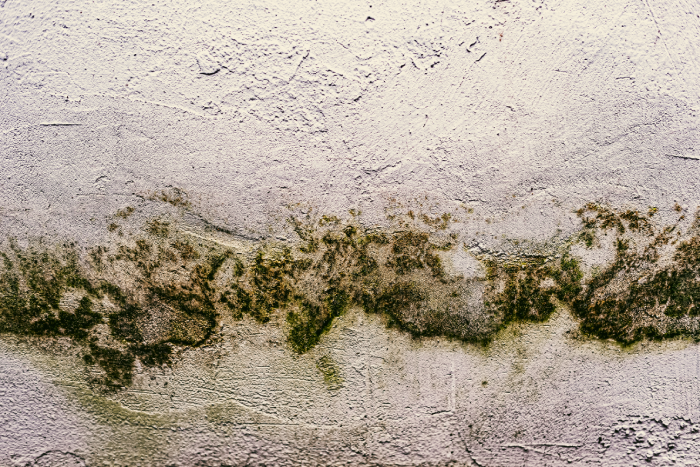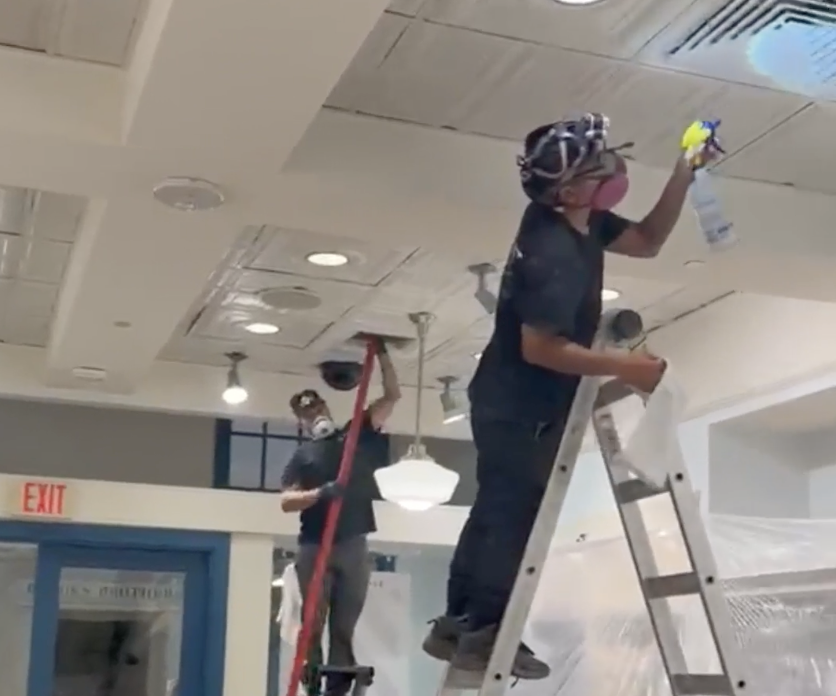


Dirty air ducts can contribute to headaches, fatigue, and allergy symptoms, but not in every home and not under every set of conditions. The honest answer is more nuanced than most articles on this topic let on.
According to the EPA, a light amount of household dust in air ducts doesn't necessarily pose a health risk. The situation changes when contamination is heavier, when mold is present, or when someone in the home is already sensitive to airborne allergens. That's when duct-related health symptoms become a real possibility worth investigating.
Our team at air duct cleaning in Raleigh, NC sees this pattern regularly across Triangle homes, and the key question is always the same: are your symptoms tied to being indoors, and do they improve when you leave?
How Dirty Ducts Affect Your Health
Your HVAC system cycles air through your home five to seven times a day on average. Whatever has accumulated inside your ductwork, dust, mold spores, pet dander, pollen, pest debris, gets redistributed into your living space with every cycle.
For most people in most homes, this is a minor issue. For households with significant contamination, visible mold, pest activity, or a sensitive occupant, that constant recirculation becomes a meaningful exposure source. The symptoms it produces tend to look like seasonal allergies, a mild cold, or general fatigue, which is exactly why they're so easy to dismiss and so easy to attribute to the wrong cause.
8 Signs Your Ducts May Be Affecting Your Health
1. Your symptoms are worse at home than anywhere else
This is the clearest signal of all. If you feel noticeably better at work, outside, or anywhere away from home, but symptoms return shortly after walking back through the door, your indoor air quality is worth examining.
Outdoor allergens make you feel worse outside. Indoor contamination does the opposite. Symptoms that follow a consistent pattern tied to being home, sneezing, congestion, irritated eyes, or general discomfort, point toward an indoor source rather than seasonal triggers.
2. Allergy symptoms that don't follow seasonal patterns
Pollen seasons have a beginning and an end. If your sneezing, runny nose, and itchy eyes persist year-round regardless of what's happening outside, the source is likely inside your home. Ducts that haven't been cleaned in years hold allergens from multiple seasons, which means your HVAC system can trigger reactions in January just as easily as in April.
If this pattern sounds familiar, our “can dirty air ducts cause allergies” article covers the connection between duct contamination and allergy symptoms in more detail, including when cleaning is likely to help and when it probably won't.
3. Headaches that ease up when you leave home
Most people don't connect headaches to air quality because headaches have so many possible causes. The pattern worth paying attention to is location-specific headaches that start a few hours after arriving home and fade when you spend time away.
Contaminants circulating through HVAC systems, including mold spores, VOCs, bacteria, and elevated carbon dioxide from poor ventilation, can contribute to headaches and dizziness in poorly ventilated or heavily contaminated spaces. If your headaches are consistently better on days when you spend less time at home, indoor air quality is a reasonable place to look.
4. Fatigue and brain fog tied to being indoors
This one is easy to miss. Prolonged exposure to indoor contaminants can contribute to a kind of low-grade fatigue that doesn't resolve with normal rest. The pattern that points toward an indoor air quality cause is waking up feeling unrested despite adequate sleep, feeling foggy or drained in the afternoon without a clear reason, and noticing those symptoms lift when you spend a full day away from home.
Mold exposure in particular has been associated with fatigue, brain fog, and difficulty concentrating in individuals with sensitivity to it, though the relationship varies by person and exposure level. If your home is consistently where you feel worst, that pattern deserves investigation rather than dismissal.
5. A musty smell when the HVAC turns on
A musty or earthy smell in the first moments after your system starts is one of the most reliable indicators of mold or mildew inside the duct system or on HVAC components. Stagnant air inside the ducts carries concentrated odors into the room when airflow begins, which is why the smell is often strongest at startup.
The EPA specifically flags musty odors as a reason to have ducts professionally inspected. Don't wait for the smell to get worse before acting on it. If mold has spread beyond the ductwork, professional mold removal in North Carolina addresses the broader contamination rather than just cleaning duct surfaces.
6. Dust returns within days of cleaning
Surfaces that collect a visible layer of dust within two or three days of cleaning point to a duct system actively redistributing debris back into the room. Before blaming the ducts, replace your air filter first and check whether the problem improves. A clogged or low-quality filter is sometimes the real culprit.
If rapid dust return continues after replacing the filter, remove a supply vent cover and shine a flashlight inside. Visible debris coating the duct interior, or dark rings of buildup around the vent opening, points toward contamination moving through the system.
7. Worsening symptoms in sensitive household members
Children, elderly residents, and anyone managing asthma, COPD, or a compromised immune system tend to show the effects of poor indoor air quality before healthier adults in the same home. If a family member is managing their condition carefully but still struggling, the air they breathe at home is worth examining.
Mold spores and dust mite allergens circulating through vents are recognized respiratory irritants. A household with a sensitive occupant, a moisture problem, or an HVAC system that hasn't been cleaned in years is one where more proactive duct maintenance makes practical sense.
8. Skin irritation or rashes that improve when you leave
Dust mites are a less obvious duct-related trigger. Their waste particles are a known eczema and skin irritation trigger, and they accumulate in duct systems alongside regular dust. If household members, especially children, develop rashes or skin irritation that improve noticeably when away from home, dust mite exposure from duct contamination is worth considering alongside other possible causes.
Why North Carolina Homes Face a Higher Risk
The Triangle's climate creates conditions that accelerate every contamination type discussed above. High humidity throughout the year means mold can begin growing inside ductwork within 24 to 48 hours of moisture exposure. Long pollen seasons starting as early as February push allergens into homes and duct systems over a longer stretch of the year than most other regions.
Crawlspace construction, which is common across Raleigh, Durham, Cary, and Chapel Hill, adds another layer of exposure. Ductwork running through crawlspaces sits in an environment with higher moisture, more pest activity, and greater temperature swings than conditioned spaces. Leaky ducts in these areas pull contaminated crawlspace air directly into the HVAC system with every cycle.
A few NC-specific factors that increase the risk:
- High year-round humidity creates faster mold growth timelines than drier climates
- Long pollen seasons mean allergens enter and accumulate in duct systems over more months
- Crawlspace ductwork is directly exposed to ground moisture, pests, and debris
- Older homes in Durham and Chapel Hill frequently have aging duct systems with more accumulated contamination
When Your Ducts Probably Aren't the Problem
This is where most articles on this topic fall short. Not every headache, sneeze, or bout of fatigue points to your duct system, and the EPA is clear that light household dust in ducts doesn't pose a documented health risk for most people.
Your ducts are likely not the cause if:
- No one in the household has allergy or respiratory sensitivities
- There's no musty smell, visible mold, or signs of pest activity
- You change filters regularly and your HVAC is well-maintained
- Symptoms don't follow the home-specific pattern described above
Attributing symptoms to ducts without a real reason to suspect them can lead to unnecessary cleaning that doesn't address the actual cause. If symptoms persist after duct cleaning and nothing else has changed, the source is elsewhere and worth finding.
What to Do If You Think Your Ducts Are Affecting Your Health
Start by checking for the pattern: are symptoms tied to being at home and better when you're away? If yes, work through these steps before scheduling anything:
- Replace your air filter and see whether symptoms improve over the following week
- Check for musty odors near vents when the system starts
- Look for visible mold or dark buildup around vent covers
- Check indoor humidity levels and run a dehumidifier if they're above 50%
If those steps don't resolve the issue, a professional inspection is the right next move. Knowing what's actually inside your duct system before committing to a cleaning gives you something concrete to act on rather than guessing.
For a full breakdown of what to look for before calling anyone, read our article on signs your ducts need cleaning. It covers the clearest indicators across every contamination type.
Frequently Asked Questions
Can dirty air ducts cause headaches?
They can contribute to headaches under specific conditions, particularly when mold, poor ventilation, or significant contamination is present. The most useful indicator is whether headaches are worse at home and improve when you spend time away.
Can dirty air ducts make you tired?
Prolonged exposure to indoor contaminants including mold spores and poor ventilation has been associated with fatigue and difficulty concentrating in some individuals. If fatigue is consistently worse at home and improves elsewhere, indoor air quality is worth investigating alongside other possible causes.
How do I know if my ducts are making me sick?
The clearest sign is symptoms that follow a location-specific pattern: worse indoors and better away from home. Other indicators include a musty smell when the HVAC runs, rapid dust return, visible mold near vents, and worsening symptoms in sensitive household members.
Does air duct cleaning help with headaches and fatigue?
It depends on whether contamination in the duct system is actually causing or contributing to those symptoms. If contamination is confirmed and the symptoms follow the home-specific pattern described above, cleaning the source of that contamination is a reasonable step. Cleaning ducts that aren't meaningfully contaminated is unlikely to make a noticeable difference.
Are some people more at risk than others?
Yes. Children, elderly residents, and people with asthma, COPD, allergies, or compromised immune systems tend to be more sensitive to airborne contaminants circulating through HVAC systems. Households with a sensitive occupant benefit from more proactive duct maintenance than those without.
How often should I have ducts cleaned if someone in my home has respiratory issues?
Every two to three years is a reasonable interval for households with allergy or asthma sufferers. North Carolina's humidity and pollen exposure often push the practical timeline toward the shorter end of that range. “How often should air ducts be cleaned” covers the right interval based on your specific household conditions.
Is it worth having ducts cleaned if I'm experiencing these symptoms?
If symptoms follow the home-specific pattern and your last cleaning was more than three years ago, or you have no record of the ducts ever being cleaned, an inspection is a reasonable starting point. Is air duct cleaning worth it walks through exactly when cleaning delivers real value and when it's unlikely to help.
Not sure whether your symptoms point to a duct issue? get a free quote and our team will inspect your system and give you a straight answer on what's actually going on inside it.