

Poor indoor air quality symptoms usually show up as headaches, allergy flare-ups, fatigue, coughing, or a musty smell that won't go away, even when nothing in the house looks obviously wrong. Can bad air quality make you sick? Yes, and in a lot of Raleigh homes, dirty ductwork is exactly why.
Our air duct cleaning specialists have traced these exact symptoms back to dirty ducts and vents in thousands of homes across the Triangle over 15+ years. Below are the nine symptoms and signs we see most often, what each one usually points to, and when it's worth calling someone right away.
1. Headaches
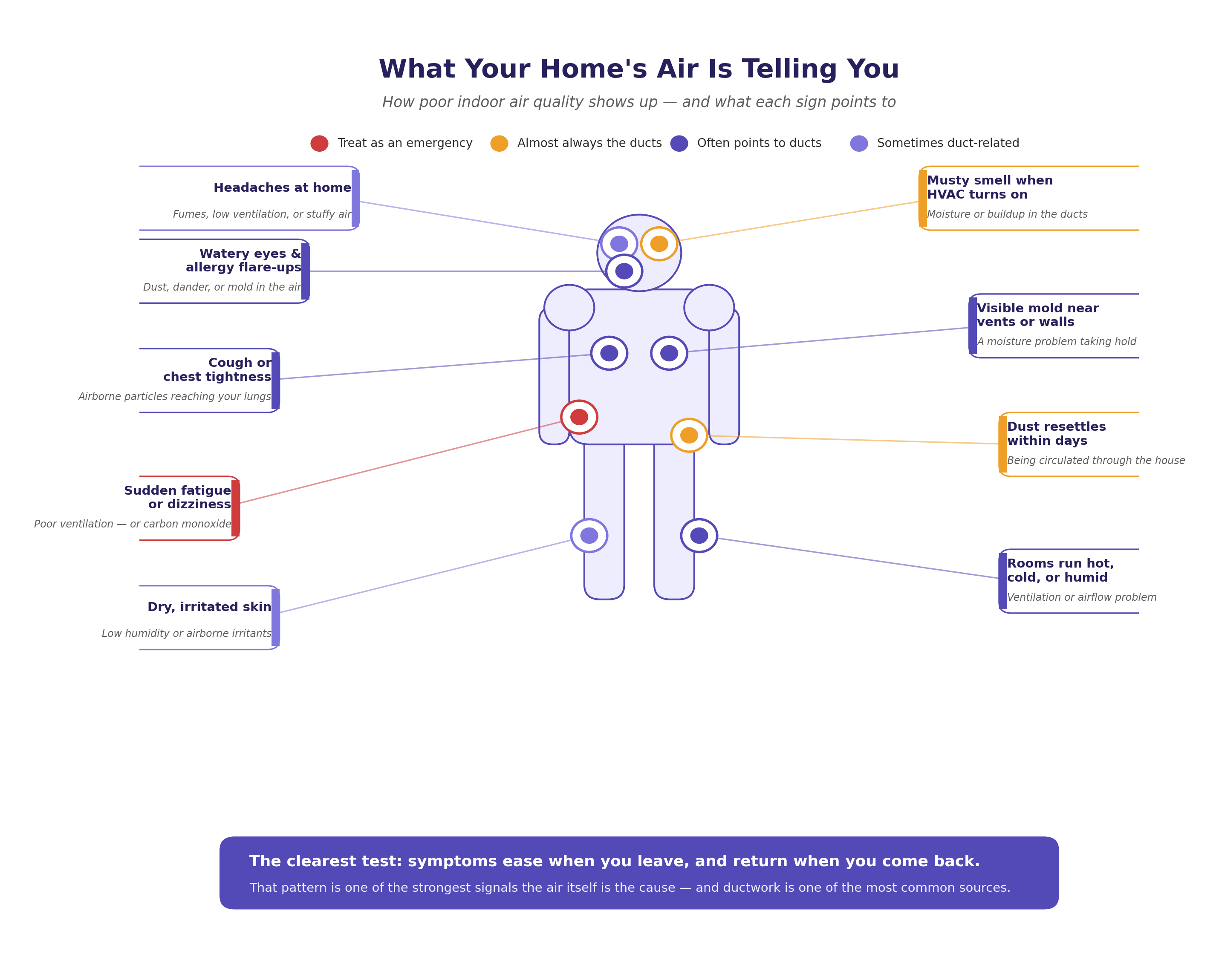
A headache that shows up at home and eases within an hour of leaving the house is one of the more reliable signals something in the air is the cause. Chemical fumes, low ventilation, and stuffy, recirculated air are the most common triggers. If the headache comes on suddenly alongside nausea or drowsiness, treat it as a possible carbon monoxide issue rather than a routine air quality symptom, covered in more detail below.
2. Allergy Flare-Ups and Watery Eyes
Sneezing, itching, and watery eyes that persist well past hay fever season are usually your body reacting to dust, pet dander, or mold circulating through the air rather than a seasonal allergy. If these symptoms track closely with time spent at home, it's worth reading can dirty air ducts cause allergies, since ductwork is one of the most common places allergens collect and recirculate.
3. Coughing or Chest Tightness
A cough or a tight feeling in the chest that isn't tied to a cold usually means airborne particles are getting inhaled directly into the lungs. This symptom tends to show up alongside visible dust or a known mold problem, and it's one of the clearer signs that the air itself needs attention, not just a cough drop.
4. Fatigue and Dizziness
Feeling unusually tired or lightheaded at home, especially if it improves once you're elsewhere, is commonly tied to poor ventilation. In rare but serious cases, it can also signal carbon monoxide exposure. If dizziness or fatigue comes on suddenly and affects more than one person in the house at the same time, treat it as an emergency and get outside immediately.
5. Dry or Irritated Skin
Skin that's unusually dry, flaky, or irritated can be a sign of low humidity or airborne irritants in the home, particularly during the drier winter months when heating systems run constantly. This symptom is less urgent than the others on this list, but it's still worth noting if it shows up alongside other signs here.
6. Visible Mold
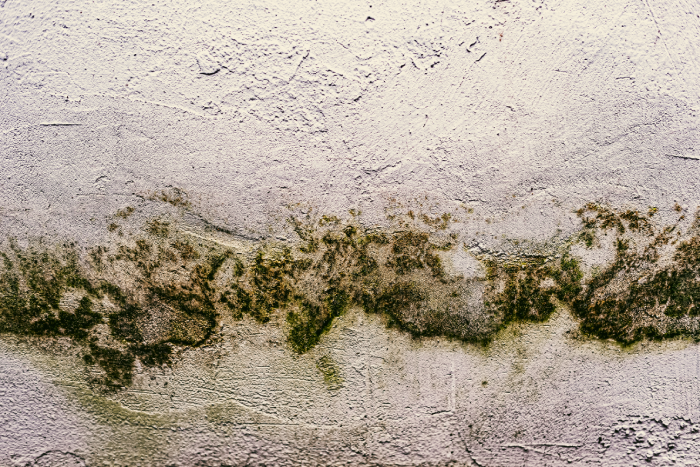
Mold on walls, ceilings, or around a vent is one of the most direct signs of a moisture problem, and it rarely stays limited to one small spot once it takes hold. If you're seeing it near a supply register or return, it's worth checking whether it's growing inside the air ducts themselves rather than just on the surface you can see.
7. A Musty or Stale Smell
A musty smell that gets stronger when the heat or AC turns on almost always means moisture or buildup somewhere in the duct system, not just an odor sitting in a room. We've covered this specifically in what a musty smell from the vents means if that matches what you're noticing.
8. Excess Dust That Comes Right Back
Dust that resettles within a day or two of cleaning is a sign it's being circulated through the house rather than just accumulating normally. This is one of the most common complaints we hear, and we've written a full breakdown on dust coming out of your vents if this is the symptom you're dealing with.
9. High Humidity and Uneven Temperatures
Humidity that feels high regardless of the weather outside, or rooms that consistently run hotter or colder than the rest of the house, both point toward a ventilation or airflow problem rather than a thermostat issue or a one-off bad day.
When Symptoms Mean a Real Emergency, Not Just Dust
A few situations go beyond routine indoor air quality and need immediate action, not a duct cleaning appointment.
- Sudden headaches, nausea, dizziness, or drowsiness affecting multiple people at once, which can signal carbon monoxide
- A gas smell anywhere in the house
- Sewage backup or flooding onto carpet, drywall, or other porous material
- Widespread breathing difficulty
If any of these apply, get everyone out of the building, ventilate if it's safe to do so, and contact emergency services, your gas utility, or a medical provider right away. These situations are not something to wait out or diagnose yourself.
Is It Your Ducts? How to Tell the Difference
Not every symptom on this list traces back to ductwork, but a lot of them do, especially in homes that haven't had a cleaning in several years. A few signs point specifically at the duct system:
- Symptoms ease when you leave the house and return when you come back. This is one of the strongest signals the source is inside, and ductwork is one of the most common places dust, allergens, and mold end up concentrated and recirculated. See can dirty air ducts make you sick for how these two connect.
- Symptoms get worse right after the heat or AC turns on, which points to something being pushed through the vents rather than sitting still in the room.
- Uneven airflow between rooms, with one room always running hotter or colder than the rest, often means buildup or a blockage somewhere in the duct run.
- Dust or a musty smell concentrated right at the vents rather than spread evenly across a room.
What to Do About Poor Indoor Air Quality
Start by ruling out the emergency situations above. If none of those apply, walk through the house and note when and where symptoms happen, since that pattern usually points to the source faster than guessing.
Run exhaust fans and open windows when weather allows, and keep indoor humidity below 50 percent with a dehumidifier if your home tends to run damp. Check that fuel-burning appliances are vented properly and serviced on schedule. If dust, odors, or allergy symptoms keep tracing back to specific rooms or to your HVAC running, a professional duct inspection will tell you definitively whether the ductwork is contributing, rather than leaving you to guess room by room.
Frequently Asked Questions
Can bad air quality make you sick?
Yes. Poor indoor air quality is linked to headaches, allergy symptoms, fatigue, respiratory irritation, and in serious cases, carbon monoxide exposure. Symptoms that improve when you leave the house and return when you're back home are a strong sign the air itself is the cause.
What are the most common symptoms of poor indoor air quality?
Headaches, allergy flare-ups, coughing, fatigue, and dry or irritated skin are the most frequently reported symptoms. A persistent musty smell or visible dust buildup around vents often shows up alongside them.
How do I know if my symptoms are from my ductwork specifically?
Symptoms tied to specific rooms, dust that resettles quickly after cleaning, or a musty smell that gets stronger when the HVAC runs all point toward the ducts rather than a one-time issue elsewhere in the house.
Is a musty smell always a sign of poor air quality?
Usually, yes. A musty smell almost always means moisture, mold, or buildup somewhere in the home or the duct system, even if you can't see the source directly.
When should I worry that it's more than just dust?
If multiple people develop sudden headaches, nausea, or dizziness at the same time, or you smell gas, treat it as an emergency rather than an air quality issue to monitor. Get out of the house and call for help immediately.